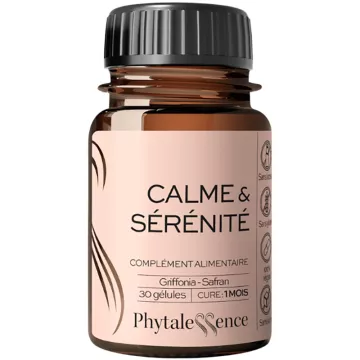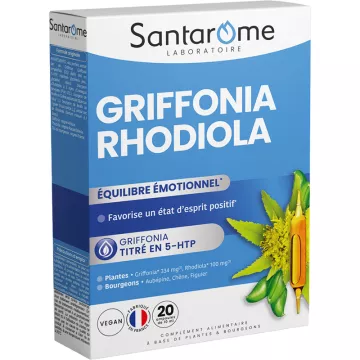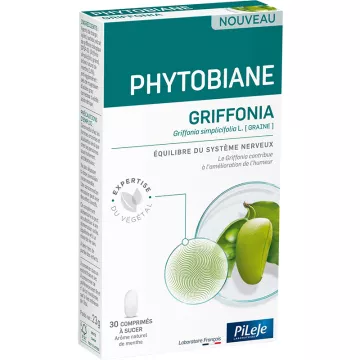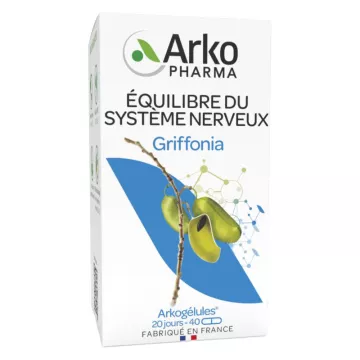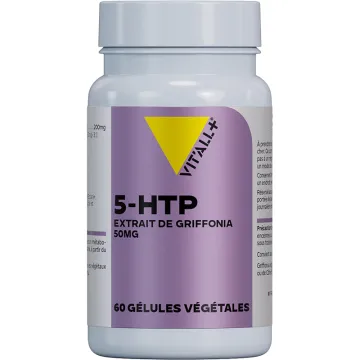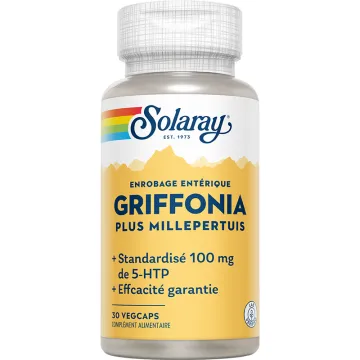
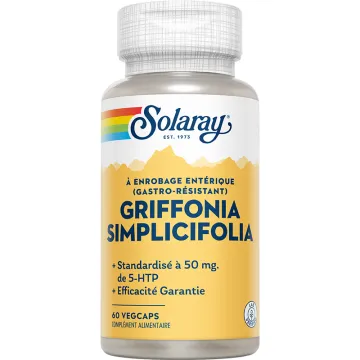

Griffonia (Griffonia simplicifolia) is a climbing plant native to West Africa whose seeds are rich in 5-hydroxytryptophan (5-HTP). This compound is a direct precursor to serotonin, a key neurotransmitter involved in regulating mood, sleep, and appetite.
A powerful plant that bridges the gap between traditional herbal medicine and modern nutritional therapy, griffonia has a more pronounced effect than classic calming herbs (passionflower, lemon balm). Its standardization for 5-HTP is the essential indicator of quality. For herbal medicine in general, additional resources are available.
Griffonia is traditionally used to:
Griffonia is not an antidepressant: it does not treat clinical depression, which requires specific medical care. Specific resources are available for stress,anxiety, and sleep in general.
Griffonia is primarily taken in standardized form:
Ideally, take in the late afternoon or before bedtime for sleep benefits, or in several doses throughout the day for mood benefits. A typical course of treatment lasts 4 to 8 weeks, with a break of at least 1 month between courses. Specific resources are generally available for valerian and rhodiola.
Dosages vary depending on the intended use, as advised by a pharmacist:
Vitamin B6 is often used as a cofactor to optimize the conversion of 5-HTP to serotonin. Specific supplements are available to improve digestion in general.
The neurochemical activity of Griffonia requires strict precautions:
Serotonin syndrome (agitation, hyperthermia, neuromuscular disturbances, cognitive disturbances) is a medical emergency requiring immediate discontinuation of the supplement and medical consultation. In cases of persistent sadness, depressive thoughts, or significant mental health issues, a medical consultation is essential: no dietary supplement can replace appropriate psychiatric care. Your licensed pharmacist remains a valuable resource for verifying the absence of drug interactions, guiding the selection of a standardized extract, and providing support throughout the treatment course, in addition to appropriate medical follow-up.