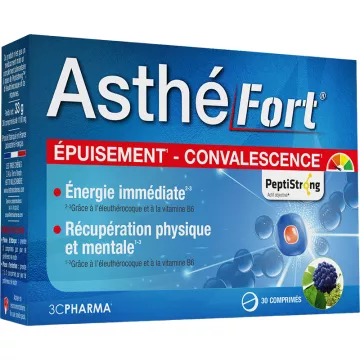
Convalescence refers to the period of gradual recovery following an acute illness, surgery, or physical trauma. There are three main phases: the early phase (Days 1–7), characterized by post-anesthetic or post-infectious fatigue and localized pain; the intermediate phase (Days 7–30), during which energy levels gradually return but the immune system remains compromised; and the late phase (Day 30 to several months), during which full functional recovery depends on nutrition, rehabilitation, and micronutritional support. Each phase requires specific active ingredients—there is no one-size-fits-all formula for recovery.
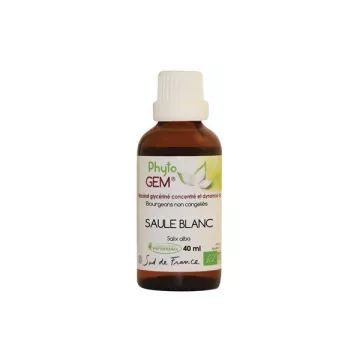
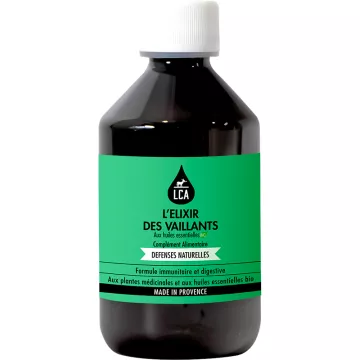
White willow (Salix alba, salicin ≥ 15%, Phyto'Gem Organic White Willow Buds) is the plant-based anti-inflammatory most similar to aspirin—its salicin is metabolized into salicylic acid, inhibiting COX-2 and reducing inflammatory prostaglandins. Avoid if taking anticoagulants.Arnica montana (5CH–9CH or topical gel) is the go-to remedy for bruises, post-surgical hematomas, and diffuse muscle pain—take it within the first few hours after an injury. Linalool-type thyme essential oil (Thymus vulgaris ct linalool, milder than thymol-type thyme) is suitable for the elderly and children due to its anti-infectious and tonic properties when diffused or applied to the skin in diluted form.
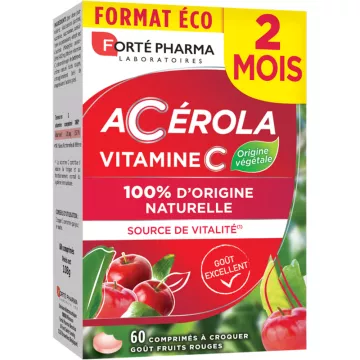
Hydrolyzed collagen (10 g/day of peptides, types I and III) provides proline, hydroxyproline, and glycine, which are directly utilized by fibroblasts for the synthesis of skin, tendon, and bone collagen—particularly relevant following orthopedic surgeries, fractures, and ligament injuries. Vitamin C (500–1,000 mg/day, bioavailable acerola) is an essential cofactor for prolyl hydroxylase, an enzyme that enables collagen maturation. Glutamine (5–10 g/day) serves as fuel for enterocytes and intestinal lymphocytes—it supports mucosal immunity weakened by surgical or infectious stress and prevents bacterial translocation in the gut.
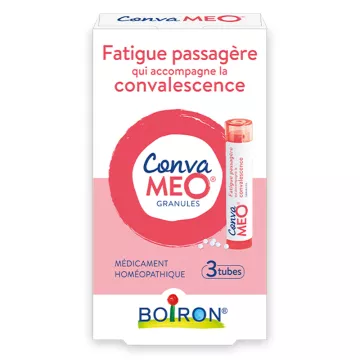
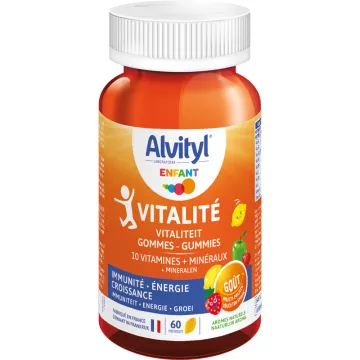
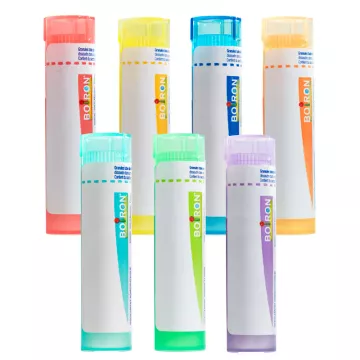
Echinacea (E. purpurea, alkylamides + polysaccharides, 400–900 mg/day) is the most well-documented immunostimulant during convalescence—it activates macrophages and NK cells whose numbers have been reduced by the acute episode, anesthesia, or antibiotics. Convameo Boiron (China rubra + Phosphoricum acidum + Kalium phosphoricum, 3 tubes) is the go-to homeopathic formula for convalescent asthenia—5 granules 3 times a day for 1 month. Ginseng extract (panaxosides, 50 ml oral solution) supports the restoration of overall energy and physical resilience. Alvityl Vitality 10 Vitamin Gummies meet the expanded micronutritional needs of the recovery period in a chewable form suitable for all ages.
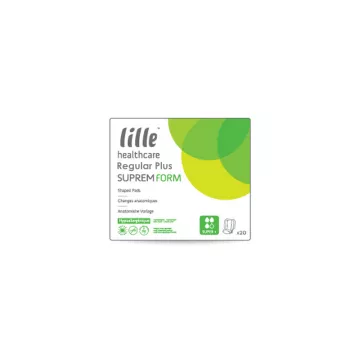
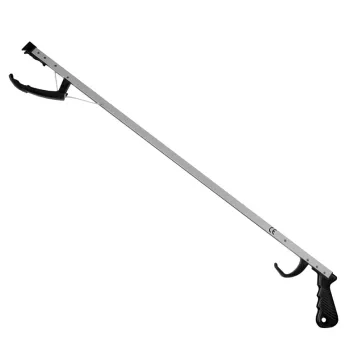
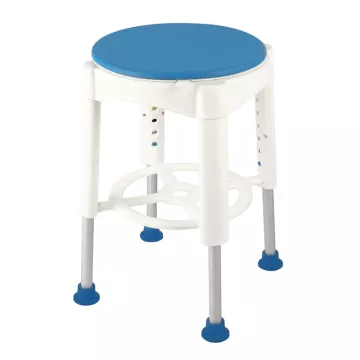
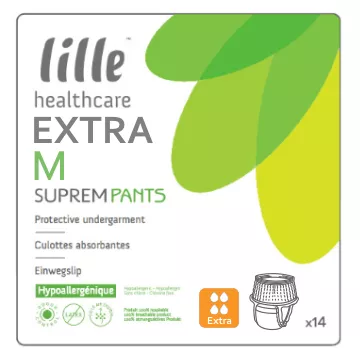
Recovery following orthopedic surgery or trauma often involves reduced mobility, which requires practical accommodations. Protective mattress pads (Lille Bordable 90×180 cm) protect bedding during periods of prolonged immobility. Anatomical incontinence pads (Lille Suprem Form) offer discreet and comfortable protection for those with limited mobility. Reaching aids (available in two lengths and a foldable version) allow you to pick up objects without bending over or reaching—particularly useful after lower limb or hip surgery. For recovery periods involving shoulder immobilization, specific slings and orthoses complement the functional support system.
Diet plays a central role in the speed of recovery—inadequate nutrition can significantly prolong recovery. Protein requirements increase by 50 to 100% during the tissue repair phase (1.2 to 1.5 g/kg/day vs. 0.8 g/kg/day under normal conditions)—prioritize complete proteins (eggs, poultry, fish, legumes combined with grains). Key micronutrients for recovery include zinc (cell repair and immunity), vitamin C (collagen), vitamin D3 (immunity and muscle tone), and iron (oxygen transport and muscle myoglobin). An anti-inflammatory diet (omega-3, turmeric, ginger) reduces residual inflammation that slows recovery. Dehydration is the unsung enemy of recovery—maintain a daily fluid intake of 1.5 to 2 L to optimize the elimination of metabolic waste products associated with cell repair.