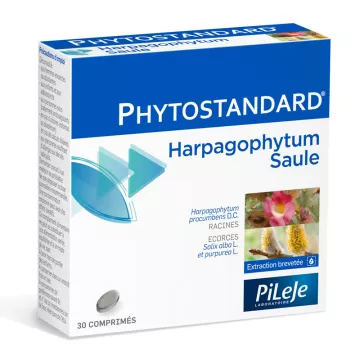
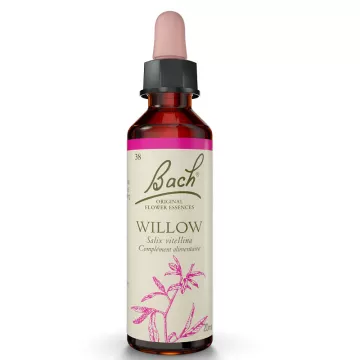
The white willow (Salix alba), a tree of the Salicaceae family, grows in Europe, Asia, and North America near waterways and wetlands. Its bark, used since ancient times in traditional medicine, is known as “plant-based aspirin”: it is rich in salicin, a natural precursor to salicylic acid. The European Medicines Agency (EMA) recognizes it as having a well-established use for relieving lower back pain and a traditional use for alleviating minor joint pain, muscle pain, and fever associated with the common cold.
The benefits of white willow stem from its salicin content and antioxidant polyphenols. This medicinal plant is primarily used to:
These uses fall under the category of herbal medicine: they are not a substitute for medical advice in cases of severe or prolonged pain.
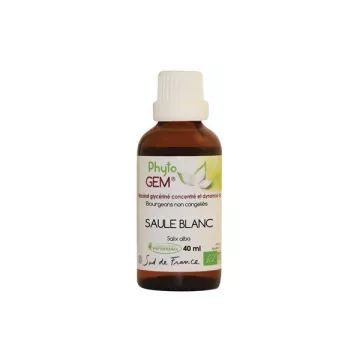
White willow can be prepared in several forms depending on your needs:
White willow bark is traditionally recognized for its benefits in promoting joint and muscle comfort. It may help alleviate discomfort associated with osteoarthritis, muscle pain, lower back stiffness, and certain types of tendinitis. Since its effects are more gradual than those of aspirin, it is intended for long-term use rather than immediate relief. Inflammatory rheumatic conditions such as rheumatoid arthritis require medical supervision: white willow is not a substitute for prescribed treatment but may be considered as a supplement after consulting a healthcare professional. It is sometimes combined with joint-supporting ingredients such as glucosamine.
Salicin, found in white willow bark, is the natural precursor to salicylic acid, which is itself related to modern aspirin. At traditional doses, the bark releases its salicylate derivatives more gradually than synthetic acetylsalicylic acid, making it a gentler approach. However, it is not without side effects: it remains contraindicated for people who are allergic to salicylates, are taking anticoagulants, or have an ulcer. White willow should therefore not be considered a standalone substitute for a prescribed pain reliever: medical advice is still recommended in cases of persistent pain.
White willow is often compared to meadowsweet, another plant containing salicylate derivatives. With a higher concentration of salicin, white willow is commonly used for chronic joint and lower back pain. Meadowsweet, which has stronger diuretic properties, is generally used for temporary fever and short-term joint discomfort. The two plants are complementary and frequently combined in herbal medicine, subject to the same contraindications associated with salicylates.
To ensure high-quality white willow, several criteria should be considered:
Consult your pharmacist to determine the appropriate form and dosage based on your individual needs and any current medications you may be taking.
Natural does not mean harmless: white willow requires precautions similar to those for synthetic salicylates.
Any severe allergic reaction, such as angioedema (facial swelling, difficulty breathing), requires you to call 15 or 112 immediately.