What is a febrile state, and what are its mechanisms?
A febrile state is defined as an elevation of core body temperature above 38 °C when measured rectally (pediatric reference) or 37.5 °C when measured axillary. Fever is not a disease—it is an active defensive response by the body coordinated by the hypothalamus. It accelerates immune responses, inhibits the replication of many viruses and bacteria (which reproduce less effectively at high temperatures), and stimulates the production of antiviral interferons. Seek medical attention immediately if a fever exceeds 39 °C in adults or if it is accompanied by signs of a serious condition. Explore our thermometers, our cold and flu relief kits, and our respiratory care line.
- Physiological mechanism: infectious agent → macrophages release endogenous pyrogens (IL-1β, IL-6, TNF-α) → brain → hypothalamus raises the thermal set point via prostaglandin E2 (PGE2) → peripheral vasoconstriction + chills (heat production) → core temperature rises — antipyretics (acetaminophen, ibuprofen) inhibit PGE2 synthesis
- Main causes: viral infections (influenza, rhinovirus, SARS-CoV-2, EBV) — bacterial infections (strep throat, pneumonia, pyelonephritis, meningitis) — parasitic infections (malaria — should be considered after travel to tropical areas) — non-infectious causes: drug reactions, autoimmune diseases, neoplasms, venous thrombosis
- Temperature measurement: rectal (gold standard in children < 2 years old, +0.5 °C vs. oral) — oral (adults, +0.3 °C compared to axillary) — axillary (convenient, slightly underestimates) — tympanic (fast, varies by technique) — noncontact forehead (screening only, less reliable for monitoring) — Check out our thermometers for accurate monitoring
- Thresholds by age: infant < 3 mois — toute fièvre ≥ 38 °C → urgences pédiatriques sans délai (infection sévère à exclure — méningite, infection urinaire, sepsis néonatal) — enfant 3–36 mois — fièvre > 38 °C for > 3 days or > 39 °C → seek medical attention — adult — persistent fever > 39 °C or with signs of severity → see a doctor — elderly person — even a mild fever may indicate a serious infection (weakened immune response)
- Signs of severity requiring urgent medical attention: stiff neck (meningitis) — purpura (hemorrhagic spots) — meningococcemia — life-threatening emergency, call 15) — febrile seizures — difficulty breathing — disorientation or altered consciousness — severe dehydration — fever > 40 °C
Pharmacological treatment of fever
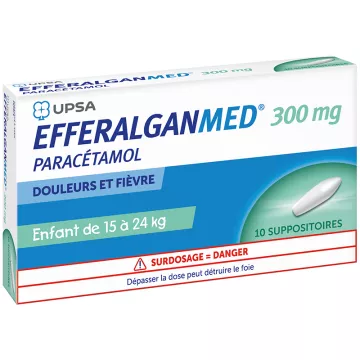
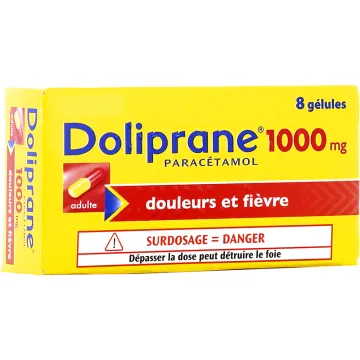
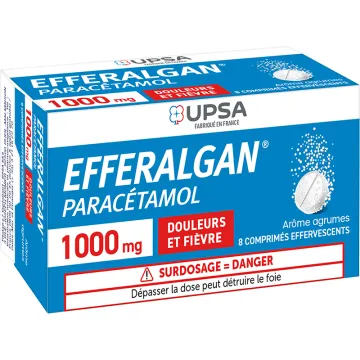
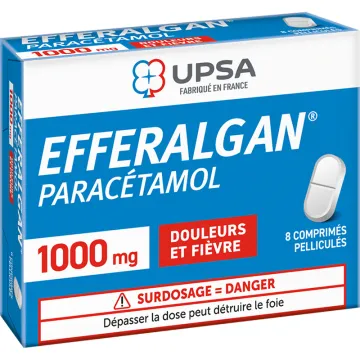
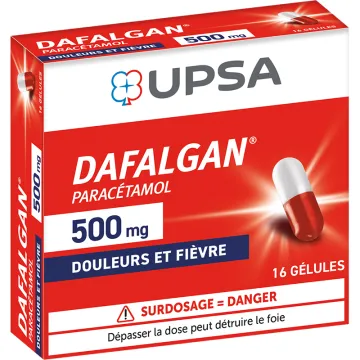
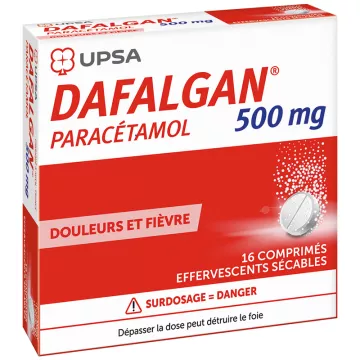
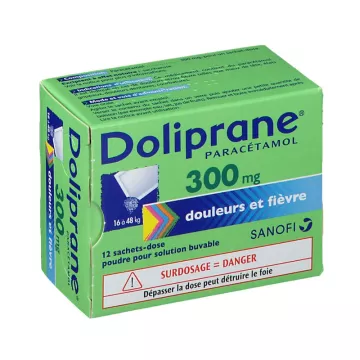
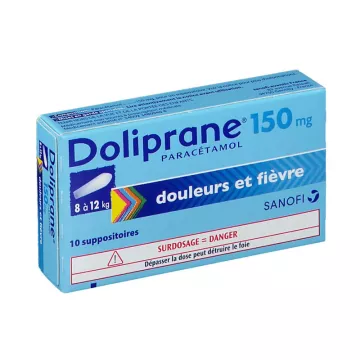
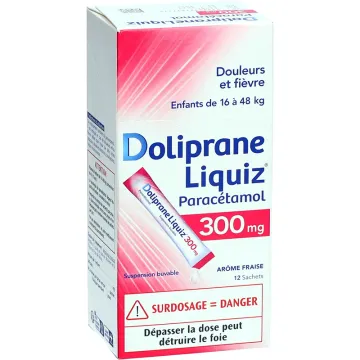
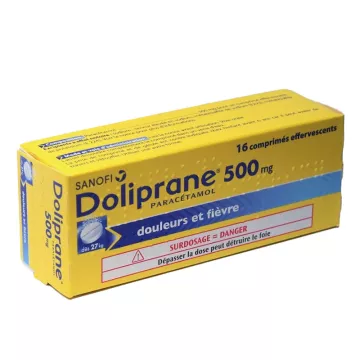
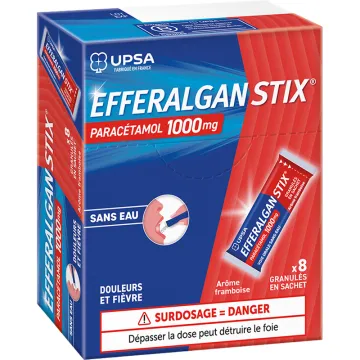
- Acetaminophen: first-line antipyretic in France — central PGE2 inhibitor — safe at recommended doses for adults and children (15 mg/kg per dose for children, 500–1,000 mg per dose in adults, max 4 g/24 h) — hepatotoxic in cases of overdose or alcohol consumption — risk of duplicate administration (combination medications) → check the composition of all medications taken simultaneously
- Ibuprofen: NSAID + antipyretic — inhibits COX (COX-1 and COX-2) → PGE2 ↓ — slightly more effective than acetaminophen for high fever — contraindicated before 3 months of age, after 6 months of pregnancy, in cases of renal failure, gastric ulcer, or chickenpox (risk of necrotizing fasciitis) — take with food — 400 mg per dose for adults
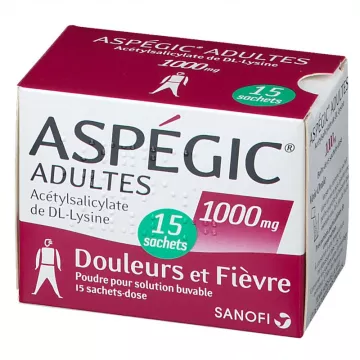
- Aspirin: contraindicated in children and adolescents with viral fever (risk of Reye’s syndrome, which can be fatal) — reserved for adults — not recommended as a first-line treatment
- Alternating acetaminophen and ibuprofen: not routinely recommended by medical societies—increases the risk of overdose—may be considered on medical advice if the fever is resistant to either drug alone
- What not to do: Do not “force” a reduction in fever if it is < 38.5 °C and the patient can tolerate it (a moderate fever is beneficial for the body’s defense mechanisms) — do not cover the patient heavily or give a hot bath (these increase discomfort) — do not administer an antipyretic solely to prevent febrile seizures (no proven efficacy for this purpose)
Hydration, natural support, and complementary remedies
- Hydration: Top Priority: Fever increases fluid loss (sweating + hyperventilation) → risk of dehydration (particularly dangerous in infants and the elderly) — adults: 2–3 L/day of fluids — children: depending on weight, offer fluids frequently (water, broth, oral rehydration solution [ORS] if diarrhea is present) — signs of dehydration: dark urine + dry mouth + sunken eyes + crying without tears (infants) → seek urgent medical attention
- Ginger: diaphoretic properties (promotes sweating → natural heat dissipation) + mild antipyretic effects (inhibition of prostaglandins) + anti-inflammatory (gingerols + shogaols) — as a decoction (2–3 slices of fresh ginger in 250 mL of hot water, 10 min) + honey + lemon juice — drink hot 2–3 times a day — for children ages 2 and up
- Linden, elderberry, peppermint: sweat-inducing plants traditionally used as herbal teas for feverish conditions — linden (sapwood) + elderflowers + peppermint leaves — promote sweating and thermoregulation — as a hot herbal tea — do not replace antipyretics if the fever is high
- Warm (not cold) compresses: apply compresses soaked in water at 20–25 °C (warm, not cold) to the forehead, the nape of the neck, and skin folds—cold causes a reflex vasoconstriction that increases internal heat → counterproductive—lukewarm water promotes peripheral vasodilation and dissipates heat—repeat every 30 minutes if necessary
- Post-febrile immune support: Fever and infection deplete immune reserves — during convalescence: vitamin D3 + zinc + vitamin C (acerola) + propolis — echinacea as a short course of treatment after recovery — visit our immune defense page
Fever Management by Age: Isolation and Monitoring
- Fever in infants < 3 months: always a medical emergency — Infants do not show the classic signs of severity — Any fever ≥ 38 °C must be evaluated in the pediatric emergency department as soon as possible — Do not give any fever-reducing medication before the consultation without medical advice (may mask symptoms)
- Febrile seizures: affect 2–5% of children between 6 months and 5 years of age — generally benign (< 15 min, generalized, rapid recovery) — what to do: Place the child in the recovery position, do not put anything in the mouth, time the seizure — call 15 if the seizure lasts > 5 min or if it is a partial or recurrent seizure — do not administer prophylactic antipyretic treatment
- Fever in the elderly: fever response is often attenuated (hypothermia is possible during a severe infection)—even a mild fever may mask a severe infection—always investigate for a source of infection (pulmonary, urinary, meningeal, cutaneous) — increased risk of confusion and dehydration
- Home isolation measures: ventilate rooms regularly — wash hands after contact — do not share utensils or towels — wear a surgical mask when in contact with vulnerable individuals — monitor temperature 2–3 times a day with a reliable thermometer
- Differentiate based on the likely cause: sudden onset + severe chills + body aches + flu-like symptoms → probable flu → COVID-19 or flu — gradual onset + cold followed by moderate fever → viral ENT infection — high fever + sore throat + very red throat + pain when swallowing → probable strep throat → see a doctor for a rapid diagnostic test (RDT) + antibiotics if positive