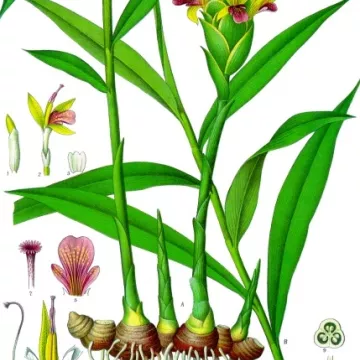
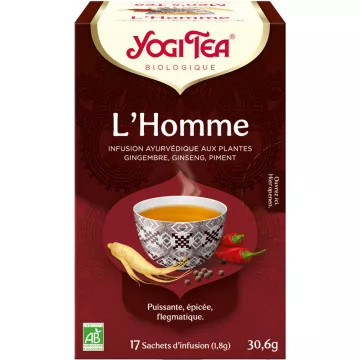
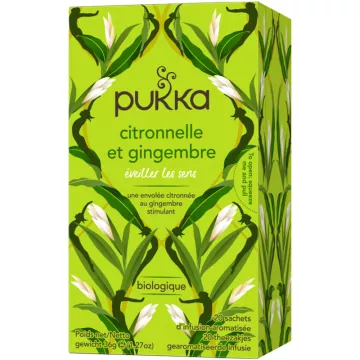
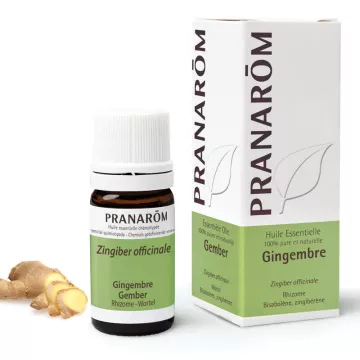
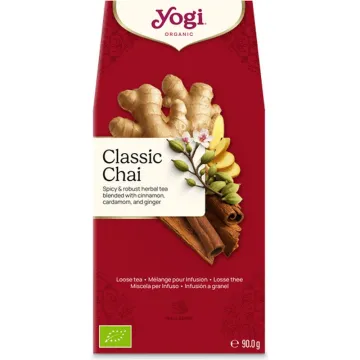
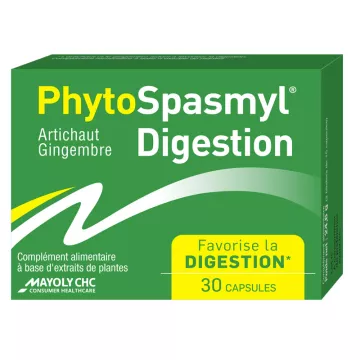
Ginger (Zingiber officinale) is one of the most scientifically validated medicinal plants. The EMA/HMPC recognizes two established traditional uses for it: relief from nausea and digestive comfort. In aromatherapy, its essential oil—β-zingiberene and warming sesquiterpenes—perfectly complements herbal remedies for muscle comfort and circulation. Explore our herbal medicine line.
Ginger and Nausea: What Does the EMA Say?
This is its best-documented indication—and the only one validated by the European authority.
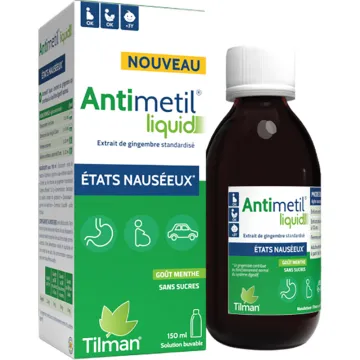
- EMA/HMPC: well-established traditional use of ginger rhizome for the relief of nausea and vomiting —particularly motion sickness and uncomplicated nausea
- Motion sickness: 500 mg to 1 g of dry ginger extract, 30 minutes before departure—effectiveness comparable to dimenhydrinate in several clinical studies
- Mild morning sickness during pregnancy (1st trimester): use is documented, but medical advice is essential before use —recommended maximum dose 1 g/day; do not use beyond the 1st trimester without medical supervision
- Post-chemotherapy nausea: positive data, but use under medical supervision is mandatory
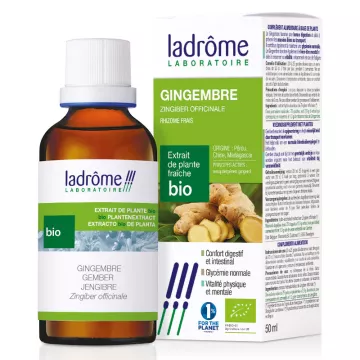
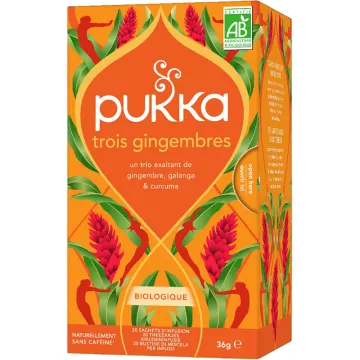
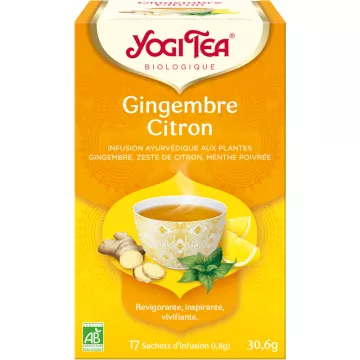
- Forms: dry extract standardized for gingerols (capsules), fresh or dried rhizome as an infusion — “ginger” candies and beverages have highly variable active ingredient content
Beyond nausea, ginger affects the entire digestive tract.
- Bloating and slow digestion: shogaols stimulate gastric motility—supports digestion after heavy meals and the breakdown of fats
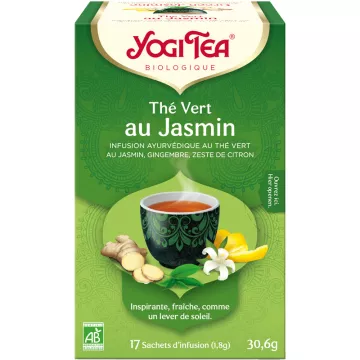
- Herbal tea after meals: 2–3 slices of fresh rhizome in 250 mL of simmering water, covered for 10 minutes—spicy and warming flavor; drink warm
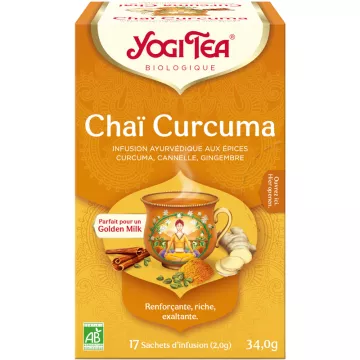
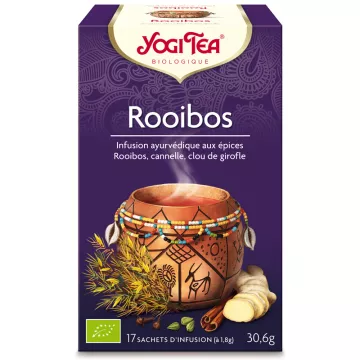
- Powerful digestive blend: ginger + cinnamon + black pepper as a tea—a warming, spicy synergy for slow digestion and sensitivity to cold
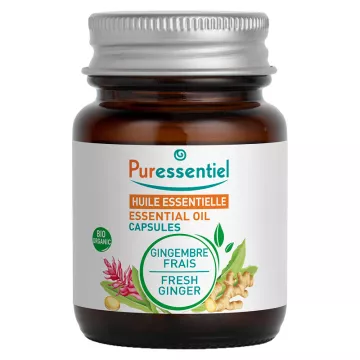
- Standardized extract capsules (5% gingerols): 4–6-week course of treatment for recurrent functional digestive disorders
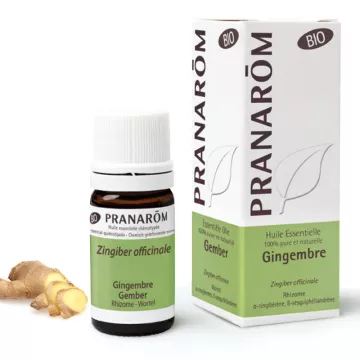
Ginger essential oil in aromatherapy?
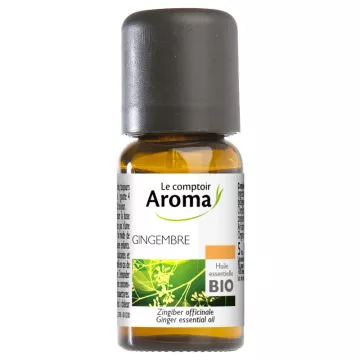
Its essential oil has a distinct profile from the rhizome—warming and circulatory sesquiterpenes.
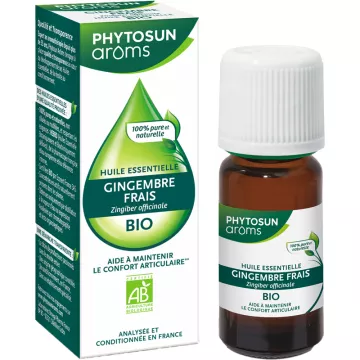
- Essential oil profile: β-zingiberene (20–30%) + camphene + β-bisabolene — spicy, warming, and earthy notes — circulatory and muscular action
- Support for peripheral circulation: 3% in calophyllum oil—massage for cold hands and feet, heavy legs
- Muscle recovery: 3–5% in arnica oil—gradual warming effect on tired muscles after physical exertion
- Energizing diffusion: ginger + cinnamon + sweet orange — a stimulating, spicy atmosphere for days when energy is low
- Dilute to a maximum of 2–3% for topical use—ginger can be irritating to sensitive skin at high concentrations
The best-known combination in modern herbal medicine—and the most well-documented.
- Ginger + turmeric: gingerols and curcumin have complementary mechanisms of action on joint and digestive comfort
- Add piperine from black pepper: piperine increases curcumin’s bioavailability by +2,000%—and also improves the absorption of gingerols
- Ginger-turmeric-piperine complex capsules: the most effective form—guaranteed content of gingerols (min. 5%), curcuminoids (min. 95%), and piperine
- Supports joint comfort and overall vitality —4–8-week course; consult a doctor if currently undergoing treatment
Precautions?
- Anticoagulants (warfarin, aspirin): ginger may enhance their effects—inform your doctor before starting any treatment
- Gastroesophageal reflux: may worsen acid reflux at high doses—prefer enteric-coated capsules
- Pregnancy: 1 g/day max, first trimester only—medical advice required
- Essential oil: irritating at high concentrations; dilute to 2–3% — do not inhale undiluted if you have asthma
- High blood pressure: consult a doctor if taking medication—ginger may slightly alter blood pressure