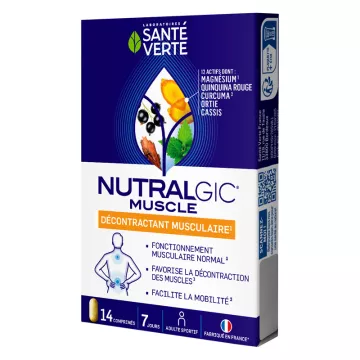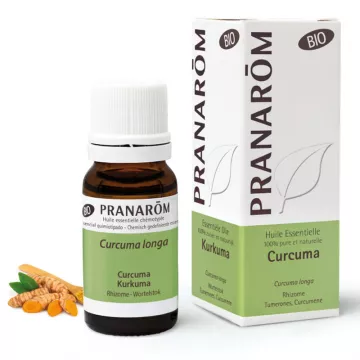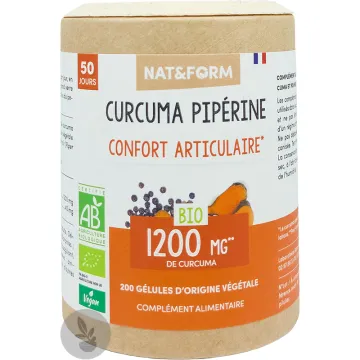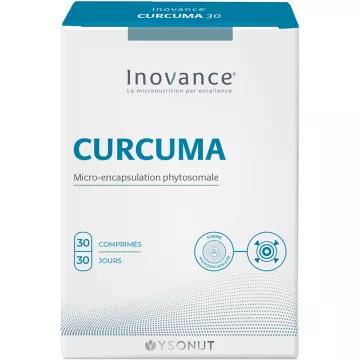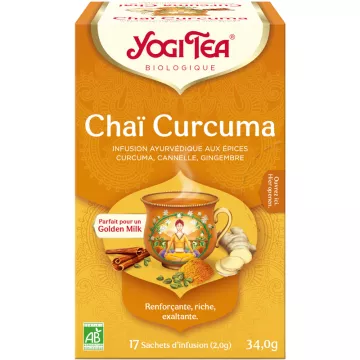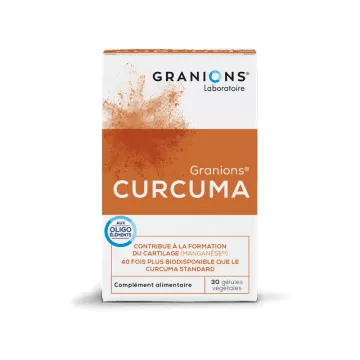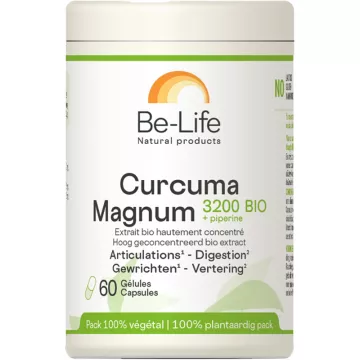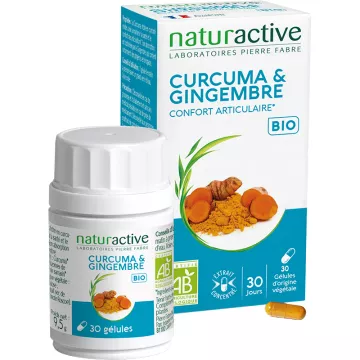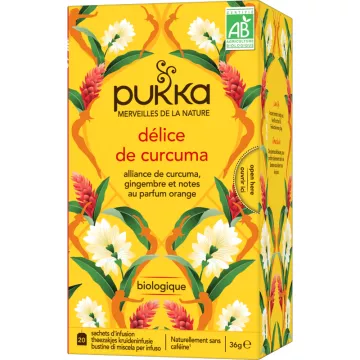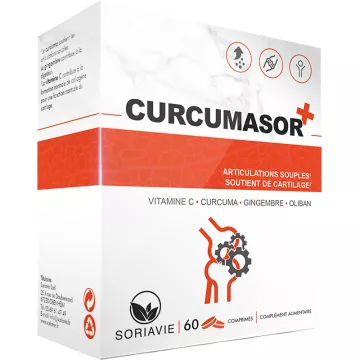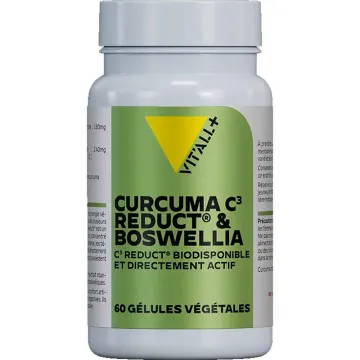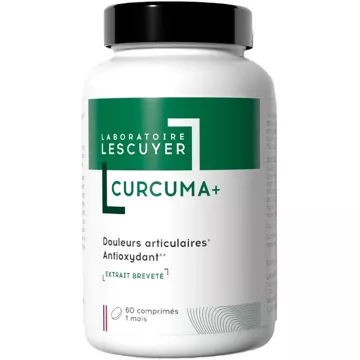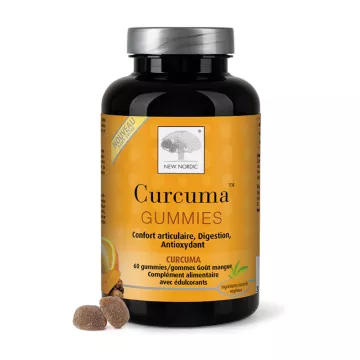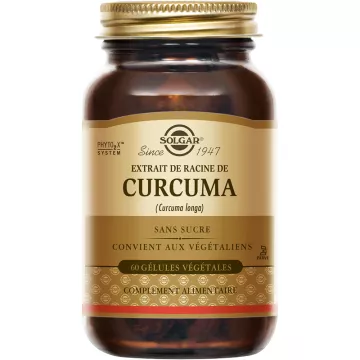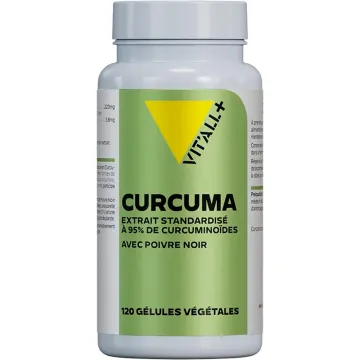
Turmeric (Curcuma longa) is a spice derived from the root of a plant in the ginger family, native to India and Southeast Asia. Used for millennia in traditional Ayurvedic medicine, it is now a staple of herbal medicine and cooking. Its key active ingredient is curcumin, the pigment responsible for its yellow-orange color and the primary reason for its popularity. Let’s establish this from the outset: turmeric is a dietary supplement and a popular “superfood,” not a medication. While many benefits are attributed to it, it’s important to distinguish between traditional use, promising data, and established evidence—and to remain cautious about health claims.
The most common use of turmeric is for joint comfort. Curcumin is the subject of encouraging research on inflammatory processes, and turmeric is traditionally used to support the well-being of people experiencing discomfort related toosteoarthritis, rheumatism, or tendinitis. However, describing it as “the best natural anti-inflammatory” goes beyond the evidence: it supports comfort without treating these conditions or replacing medical advice. To improve the absorption of curcumin, which has low bioavailability, it is traditionally combined with black pepper (piperine) and a fat source.
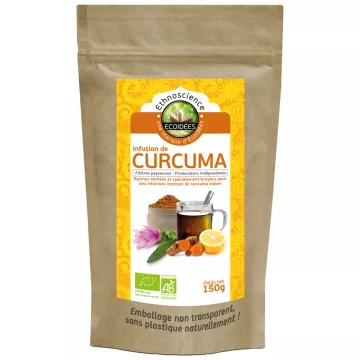
Turmeric can be consumed in several ways: fresh (grated into dishes or infusions), as a powder (in curries, soups, and sauces), or as supplements (standardized curcumin extracts, often enriched with piperine to enhance bioavailability). The famous “golden milk” recipe combines turmeric, plant-based milk, pepper, and a fat source. For digestion, turmeric is traditionally valued for supporting digestive comfort: it stimulates bile secretion and may help relieve bloating or heavy digestion, especially after a rich meal.
Let’s be clear: turmeric does not cause weight loss and does not “burn” fat. At most, it can support a weight management approach based on a balanced diet and physical activity, without having any slimming effect of its own. Similarly, the idea that it “detoxifies the liver” needs to be qualified: the liver itself is responsible for eliminating waste, and while turmeric is traditionally associated with liver and digestive comfort, it does not “purify” the body. Above all, at high doses or in cases of liver or biliary disorders (such as gallstones), caution is advised, and medical advice should be sought.
Turmeric, rich in antioxidants, is traditionally used in cosmetics—particularly in homemade face masks (with honey or yogurt)—to help promote a radiant complexion and soothe troubled skin. Its antioxidants help protect the skin from oxidative stress caused by external aggressors. It’s important to use it in moderation: turmeric supports skin comfort but does not treat acne or skin conditions, which require a dermatologist’s advice. Practical precaution: Because it’s highly pigmented, it can temporarily stain the skin and fabrics.
While turmeric in culinary quantities is safe, concentrated supplements require caution. Claims regarding the prevention of cardiovascular diseases, neurodegenerative diseases (Alzheimer’s), or cancers are based on preliminary research and do not support any definitive conclusions: turmeric neither prevents nor treats these diseases. Safety considerations:
As a general guideline, the recommended intake is 1 to 3 g of powder per day, or 500 to 1,000 mg of curcumin as a supplement; always follow the product’s dosage instructions, and for regular use aimed at joint comfort, consult a healthcare professional, especially if you are currently undergoing treatment.