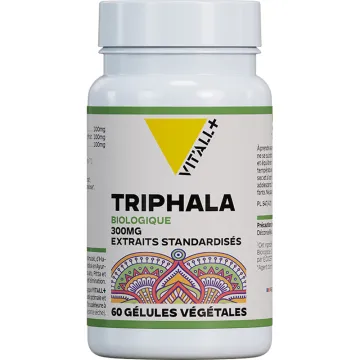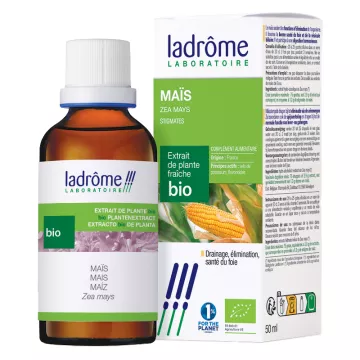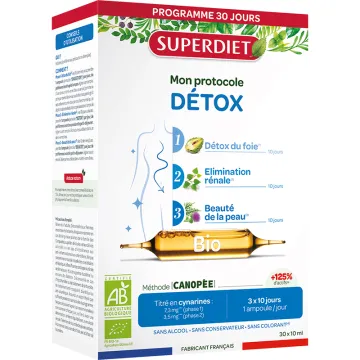


A detox program is a structured plan designed to support the body’s elimination organs—the liver, kidneys, intestines, skin, and lungs—in their work of eliminating metabolic waste and accumulated toxins. Unlike commercial “detoxes,” which are often excessive, a properly conducted detox program does not rely on severe fasting or liquid-only diets, but rather on a lighter diet, increased hydration, targeted diuretic herbs, and a reduction in toxic substances (alcohol, tobacco, ultra-processed foods). It is particularly recommended after periods of physical or mental strain: holidays, prolonged antibiotic treatment, intense stress, or exposure to pollutants. Two to four short detox regimens per year, at the change of seasons, are preferable to a single long and radical regimen.
An effective detox program follows a three-phase progression:
Warm water with lemon juice in the morning is a simple habit that stimulates bile production and promotes digestion—ideal for starting each day of the detox.
Drainage herbal teas form the backbone of the detox:
Avoid combining more than 5 different herbs at the same time to minimize interactions and better identify any potential side effects.
Diet is the key to the detox:
The goal is not severe calorie restriction but nutritional quality. Eating sufficient amounts of vegetables, legumes, and plant-based proteins prevents feelings of deprivation and supports the liver’s detoxification enzymes. Splitting meals into 4 to 5 light servings rather than 3 large meals aids digestion and improves the stomach’s tolerance of diuretic herbs.
The first 48–72 hours may be marked by withdrawal symptoms or the release of toxins:
These effects are temporary and generally subside after 3–4 days. To minimize their intensity, opt for a gradual start to the program (following the preparation phase) rather than an abrupt change. Drinking 2 liters of water per day helps flush mobilized toxins out through urine and reduces headaches. If symptoms persist, are severe, or are unusual (abdominal pain, fever), stop the treatment and consult a healthcare professional.