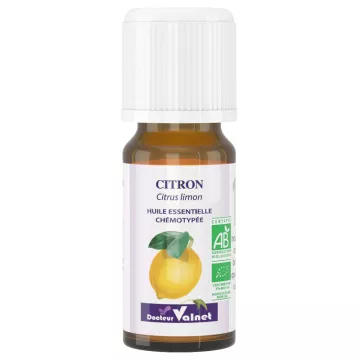
Lemon essential oil (Citrus limon, cold-pressed zest) is composed of 65–72% limonene, supplemented by γ-terpinene (8–12%), β-pinene (8–12%), and geranial. This composition gives lemon essential oil its three key properties: it tones the nervous system (limonene → focus and concentration), acts as an antiemetic and carminative (γ-terpinene → nausea and digestion), and provides mild immunostimulation. Most brands (Phytosun Aroms, Dr. Valnet) offer organic lemon essential oil extracted by cold pressing fresh zest—a method that fully preserves limonene and natural furocoumarins. Cardamom essential oil is often combined with lemon in digestive and anti-nausea blends due to its powerful carminative and antispasmodic effects.
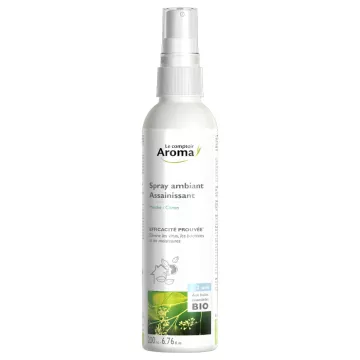
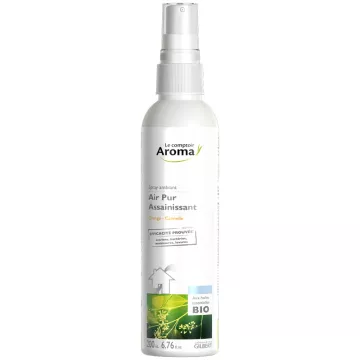
The limonene in lemon essential oil stimulates the central nervous system when inhaled—it improves alertness, working memory, and concentration. Japanese clinical studies (conducted in an office setting) show that diffusing lemon essential oil reduces errors and improves productivity. In workplace aromatherapy, it should be diffused 20–30 minutes before a period of intense work (2–3 drops, alone or in combination with cineole rosemary or peppermint). The Mint-Lemon Sanitizing Spray (Le Comptoir Aroma) is a practical alternative to a diffuser for shared spaces. Sequoia essential oil (borneol and cedrol) complements lemon in a diffuser to enhance grounding and concentration during extended sessions.
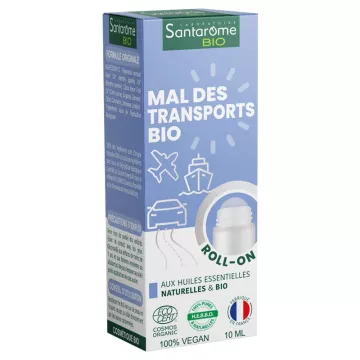
Lemon essential oil is one of the most commonly used oils for mild nausea—either through direct inhalation (1 to 2 drops on a tissue, inhaled deeply) or applied to the solar plexus and wrists (diluted to 5% in a carrier oil). The Santarome Organic Travel Sickness Roll-On (lemon + ginger + peppermint) is a ready-to-use formula for motion sickness—lemon soothes nausea, while ginger stimulates gastric emptying. Caraway essential oil is a complementary digestive essential oil for nausea accompanied by bloating and intestinal spasms. Inhaling lemon essential oil is safe starting in the second trimester of pregnancy (via inhalation only, not for topical application).
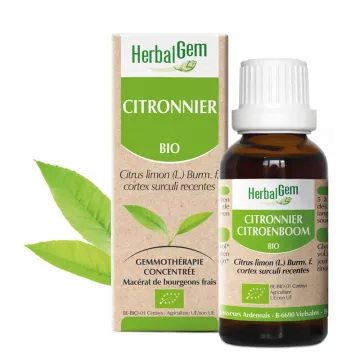
Lemon essential oil exerts an immunostimulatory effect through its antimicrobial activity when diffused into the air (limonene and terpenes inhibit the proliferation of certain pathogens in the diffused air) and through its lymphatic-draining action (when applied in a diluted form via massage to the lymph nodes). Lemon tree bud macerate (Herbalgem, gemmotherapy) is the most concentrated form—used for its antioxidant, hepatoprotective, and mildly immunostimulant properties. The lemon-mint sanitizing spray is a practical air purifier for communal spaces during epidemic periods. Cistus ladanifer essential oil is the immunostimulant and wound-healing essential oil traditionally combined with lemon in winter immune-support protocols.
Lemon essential oil is photosensitizing due to its natural furocoumarins—this is the main precaution. The key points are:
Cumin essential oil shares the photosensitizing properties of lemon oil—both of these essential oils must always be used away from sunlight when applied to the skin.
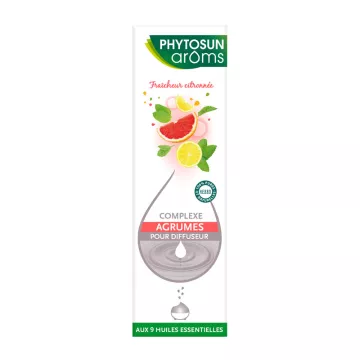
For diffusion, use 3 to 5 drops of lemon essential oil in an ultrasonic diffuser or nebulizer, either alone to promote focus and purify the air, or in combination with eucalyptus, peppermint (for cognitive stimulation), or lavender (for a balance of invigoration and relaxation). The Phytosun Aroms Citrus Complex for diffusers is a ready-to-use blend combining lemon, orange, bergamot, and mandarin—creating a sunny and energizing atmosphere. Yogi Tea’s Ginger-Lemon and Matcha Green Tea-Lemon teas use lemon zest or juice rather than essential oil—the lemony note in the tea is distinct from aromatherapy using essential oils. Coriander essential oil (mild linalool) complements lemon in morning diffusion for a gentle and positive wake-up—their combination creates a very pleasant herbaceous-fruity aroma to start the day.