Black pepper (Piper nigrum) is available in two very different forms at health food stores: its essential oil—rich in β-caryophyllene, with warming and circulation-boosting properties—and its piperine extracts in dietary supplements, known primarily for enhancing the absorption of turmeric and other active ingredients. In both cases, black pepper does more than just add flavor. Explore our range of herbal medicine and aromatherapy products.
Black pepper essential oil: what exactly is it used for?
Less well-known than black pepper in cooking, its essential oil has very different specific uses.
- Profile: β-caryophyllene (10–30%), α-pinene, β-pinene, limonene—a dominant sesquiterpene that accounts for its warming and circulatory effects
- Muscle warming: 3% in arnica oil—use for pre-workout massage to prepare muscles for exercise, or post-workout on areas of muscle tension
- Circulatory support: β-caryophyllene activates the CB2 receptors of the endocannabinoid system—resulting in a local vasodilatory effect and support for microcirculation
- In a diffuser: warm, spicy note — combine with ginger or cinnamon essential oil for a spicy, energizing atmosphere
- Dilute to a maximum of 2–3% for topical use—black pepper can be irritating at high concentrations on sensitive skin
Piperine and Bioavailability: Turmeric’s Ally?
This is the most well-documented use of piperine in supplements—and it is particularly well-established.
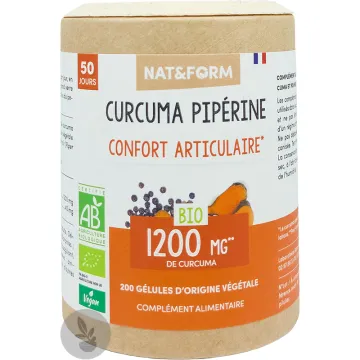
- Piperine inhibits phase I and II metabolic enzymes (CYP3A4, glucuronosyltransferase)—a +2,000% increase in the oral bioavailability of curcumin from turmeric with 20 mg of piperine, according to the landmark study (Shoba et al., 1998)
- The same mechanism applies to many natural active compounds: quercetin, resveratrol, and EGCG from green tea—piperine acts as an “absorption booster”
- Turmeric + piperine formulas have become a standard in antioxidant and anti-aging supplements
- This same mechanism applies to certain medications—documented interactions with cyclosporine, certain antibiotics, and certain antiepileptic drugs: inform your doctor if you are currently undergoing treatment
Black pepper and digestive support?
Piperine and the essential oils in black pepper have a well-known digestive effect in herbal medicine.
- Piperine stimulates the secretion of digestive enzymes (lipases, proteases) and the production of hydrochloric acid—supporting the digestion of large meals
- Carminative: supports digestive comfort and reduces postprandial bloating
- Gastroesophageal reflux and gastric ulcers: Black pepper may worsen symptoms—not recommended if you suffer from these conditions
- Spicy digestive herbal tea: ginger + black pepper + cardamom—a classic combination in Ayurvedic medicine (Trikatu)
Black pepper and antioxidants?
The β-caryophyllene in the essential oil and the piperine in the extracts both have well-documented antioxidant properties.
- β-Caryophyllene is a CB2 receptor agonist—with well-documented cell-protective properties in vitro
- Piperine inhibits markers of oxidative stress (MDA, ROS) in several experimental models
- Standardized piperine supplements (95%): typically dosed at 5–20 mg per serving—to be combined with active ingredients for which you wish to improve absorption
Precautions?
- Medications with a narrow therapeutic index (antiepileptics, immunosuppressants, certain antibiotics): documented interactions with piperine—medical advice required
- Gastroesophageal reflux and ulcers: not recommended, even in moderate amounts
- Essential oil: Dilute to 2–3% for topical use—irritating at high doses on sensitive skin
- Pregnant women: Not recommended as an essential oil or in concentrated piperine supplements
- High blood pressure: black pepper may cause a slight increase in blood pressure—consult a doctor if taking medication