What is muscular comfort, and what does it depend on?
Muscle comfort refers to the muscles’ ability to function without pain, excessive tension, or premature fatigue—a balance between performance, recovery, and nutrition. Discover our sports wellness line and our muscle supplements to support this balance every day.
- Electrolyte balance: Muscle contractions depend on calcium, magnesium, potassium, and sodium—an imbalance causes cramps and muscle twitching
- Energy supply: Muscles use ATP, glycogen, and lipids—an energy deficit manifests as premature fatigue and decreased performance
- Muscle tissue quality: Collagen in the fascia and tendons determines muscle flexibility and strength—a vitamin C deficiency reduces collagen synthesis
- Recovery: Microtraumas caused by exercise are repaired during rest and sleep—the quality of recovery determines how comfortable you’ll feel the next day and your risk of muscle soreness
Which supplements support daily muscle comfort?
Muscle supplements target different mechanisms—combining them wisely covers all your needs. Check out our selection in the sports wellness line.
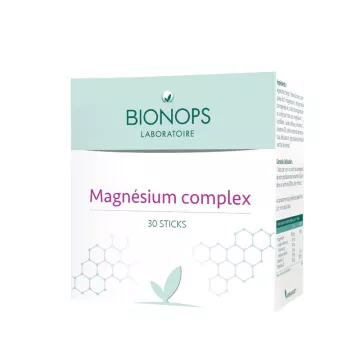
- Magnesium: the go-to active ingredient for cramps and muscle spasms—reduces neuromuscular hyperexcitability—300–400 mg/day for a 2-month course—bisglycinate or malate forms are better tolerated than oxide (less digestive upset)
- Proteins / Essential Amino Acids: Essential for muscle synthesis and repair — BCAAs (leucine, isoleucine, valine) for post-workout recovery — see our muscle-building line
- Omega-3 (EPA/DHA): reduce post-exercise muscle inflammation and persistent soreness — documented benefits for recovery after intense exercise
- Vitamin D3: acts on muscle receptors — deficiency is associated with muscle weakness, generalized pain, and an increased risk of falls — maintain serum levels ≥ 30 ng/mL
- B vitamins (B1, B6, B12): cofactors in muscle energy metabolism — useful in cases of chronic muscle fatigue with no obvious cause
How do posture and cold/heat affect muscle comfort?
Two factors often overlooked in managing muscle tension —yet very easy to correct without medication.
- Posture at work: Prolonged sitting with the head tilted forward (screen too low) creates chronic tension in the cervical spine and trapezius muscles—adjust screen height, use an ergonomic chair, take active breaks every 45 minutes
- Cold: Reduces fascial plasticity and increases resistance to stretching—never stretch when cold—risk of microtears in cold muscles during intense exertion
- Heat: improves blood flow and the flexibility of the fascia—use a hot compress before stretching or massage—contraindicated during the acute inflammatory phase (first 48 hours)
- Alternating hot and cold: a post-workout recovery technique (cryotherapy followed by heat)—stimulates microcirculation and accelerates the elimination of exercise metabolites
What routine should you follow to maintain long-term muscle comfort?
- Before exercise: gradual 10–15-minute warm-up (joint mobilization + light cardio) — prevents reflex muscle spasms and improves blood flow to the muscles
- After exercise: gentle static stretches for 30–60 seconds — magnesium + protein within 30 minutes of exercise to optimize recovery
- Daily: Hydration—1.5–2 L of water per day—muscles are 75% water—even mild dehydration (1–2%) reduces muscle strength and increases susceptibility to cramps
- Sleep: 7–9 hours — growth hormone secreted during deep sleep is the primary signal for muscle repair — chronic sleep deprivation compromises muscle health even with proper supplementation
- For persistent soreness or recurring muscle pain with no obvious cause: consult a doctor to rule out an underlying condition (myopathy, hypothyroidism, fibromyalgia)