What is a muscle cramp, and what causes it?
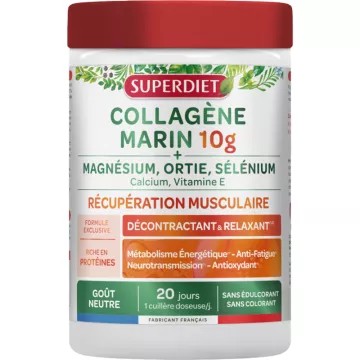
A muscle cramp is a sudden, intense, and involuntary contraction of a muscle—it occurs without warning and resolves on its own within a few seconds to minutes. Its frequency increases with age, physical activity, and certain medical conditions. Our muscle comfort line offers preventive ingredients tailored to each individual’s needs.
- Dehydration: reduced plasma volume → increased electrolyte concentration → muscle hyperexcitability—the most common cause in athletes
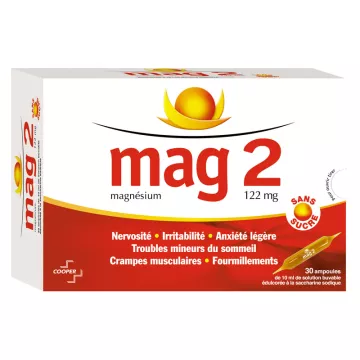
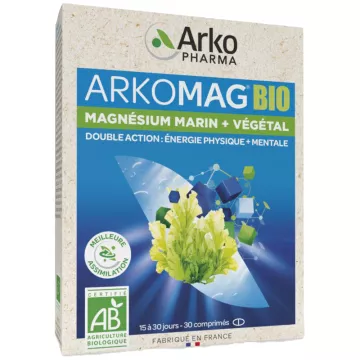
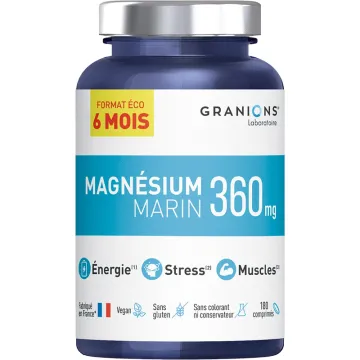
- Magnesium deficiency: Magnesium regulates calcium influx into muscle fibers—a deficiency causes generalized neuromuscular hyperexcitability—see our magnesium page
- Potassium deficiency: essential for post-contraction membrane repolarization — lost through sweat and diuretics
- Muscle fatigue: accumulation of lactic acid + depletion of ATP reserves → loss of control over muscle contraction
- Medical causes to rule out in cases of severe recurrent cramps: hypothyroidism, kidney failure, cirrhosis, pregnancy, medications (statins, diuretics, beta-blockers)
How to relieve a muscle cramp in an emergency?
- Immediate antagonist stretch: contract the opposing muscle to relax the cramped muscle — calf cramp: dorsiflex the foot (toes toward the shin) — quadriceps cramp: bend the knee, bringing the heel toward the buttock
- Massage: firm, sustained pressure on the muscle belly + longitudinal kneading — relaxes the contraction and improves local circulation
- Heat: a heating pad or warm bath after the cramp has subsided—vasodilation and muscle relaxation—do not apply heat during an acute cramp
- Epsom salt bath (magnesium sulfate): transdermal absorption of magnesium — overall muscle relaxation — 2 cups of Epsom salt in a lukewarm bath for 15–20 minutes
- Immediate hydration: water + a pinch of salt (sodium) or an isotonic drink — rapid rehydration of muscle fibers
What natural supplements can help prevent muscle cramps?
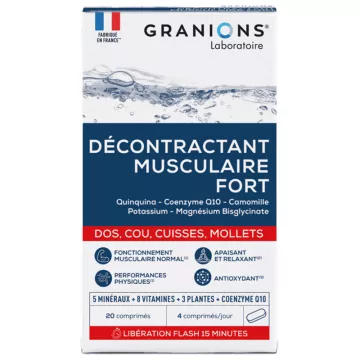
Targeted supplementation is the most effective preventive method for recurrent cramps—to be tailored to the individual’s needs. Find these active ingredients in our muscle comfort line.
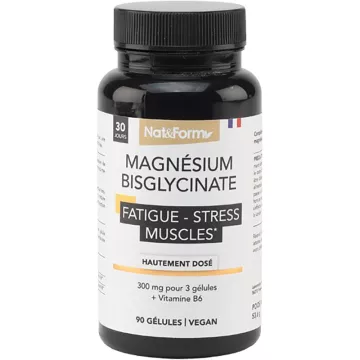
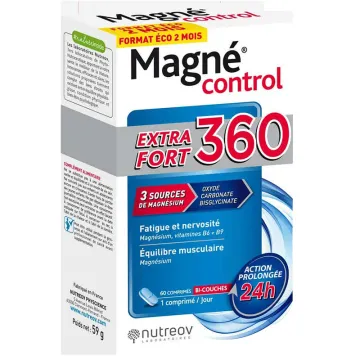
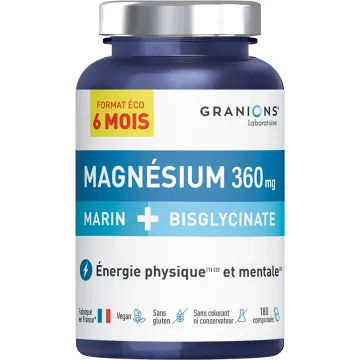
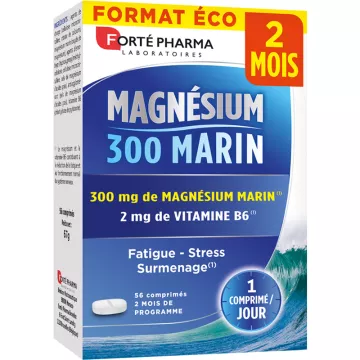
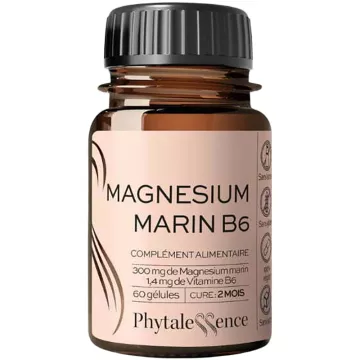
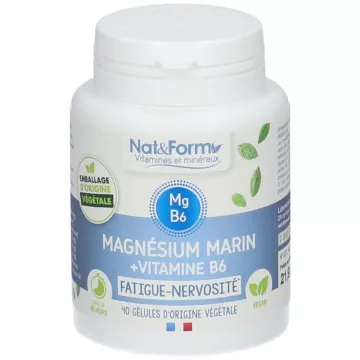
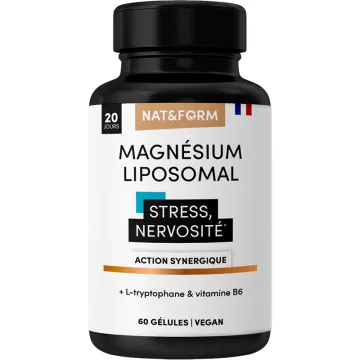
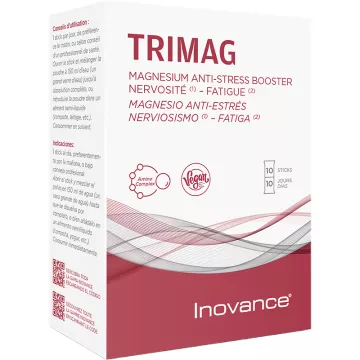
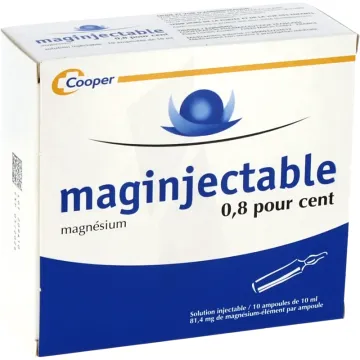
- Magnesium: 300–400 mg/day of bisglycinate or malate—minimum 3-month course—bisglycinate form is better tolerated by the digestive system—the most well-documented active ingredient against recurrent muscle cramps
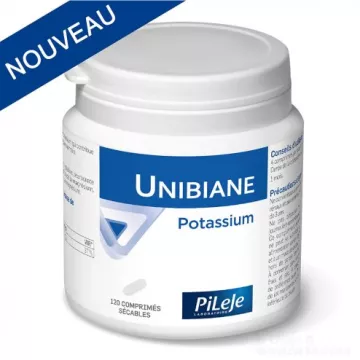
- Potassium: potassium-rich foods (bananas, avocados, sweet potatoes, spinach)—potassium-rich mineral waters—do not take supplements without a medical evaluation (possible hyperkalemia)
- Calcium: Calcium-to-magnesium balance is crucial—dairy products, sardines, almonds—deficiency is rare but can worsen symptoms
- B vitamins (B1, B6): support neuromuscular transmission — helpful if cramps are accompanied by tingling
- Cramps during pregnancy: magnesium + calcium as directed by a doctor — nighttime leg cramps affect 50% of pregnant women starting in the second trimester
When should muscle cramps prompt a medical consultation?
- Daily generalized nighttime cramps: thyroid evaluation (hypothyroidism), kidney evaluation (chronic kidney disease), liver evaluation—and medication review (statins, diuretics)
- Cramps + numbness or muscle weakness: nerve compression or neurological disorder—neurological consultation recommended
- Persistent unilateral calf cramps: rule out DVT (deep vein thrombosis)—pain + swelling + warmth = medical emergency
- Cramps while taking medication: statins (myopathy), diuretics (electrolyte depletion), beta-blockers—report to the prescribing physician
- Never self-medicate with quinine without a prescription — serious side effects (cardiac arrhythmias, thrombocytopenia) — use strictly reserved for physicians in cases of severe, refractory cramps