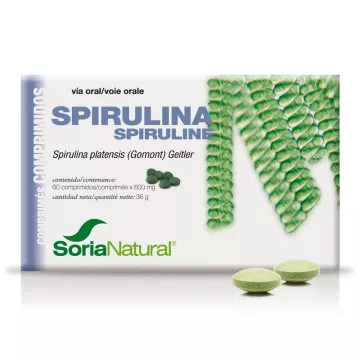
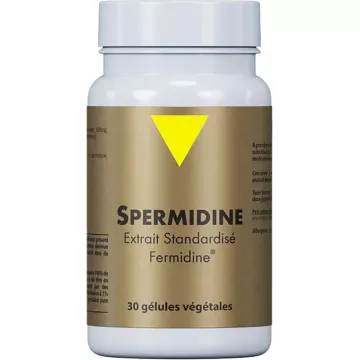
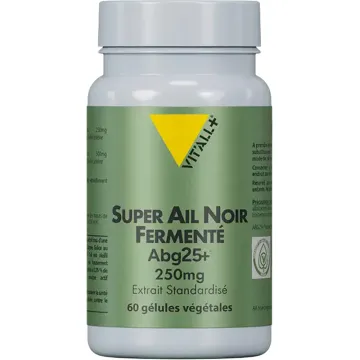
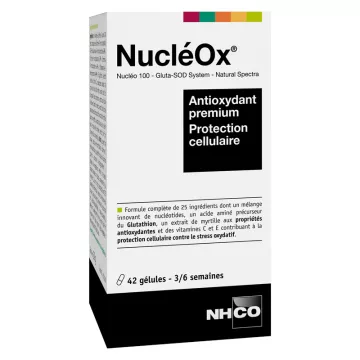
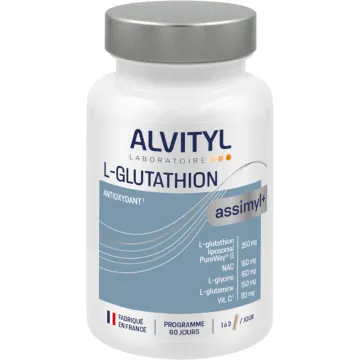
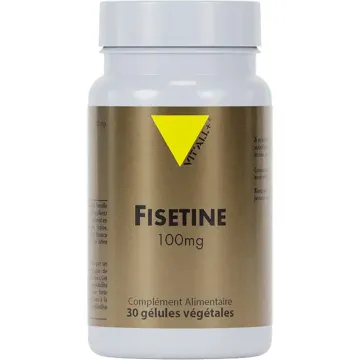
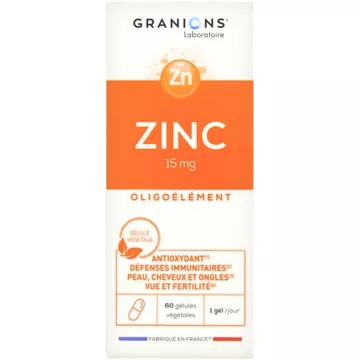
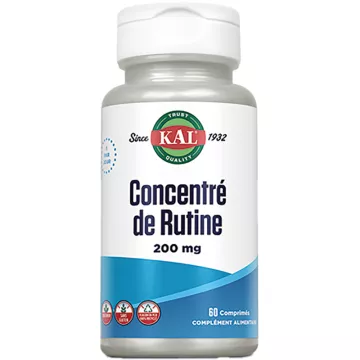
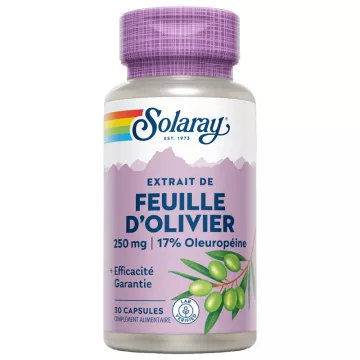
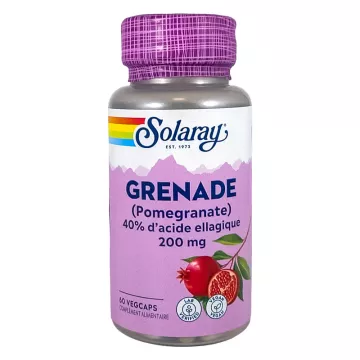
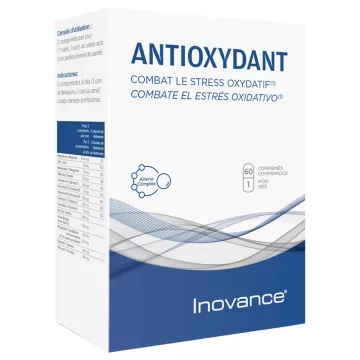
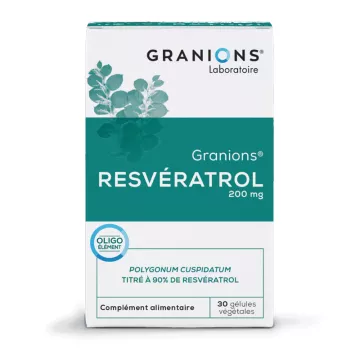
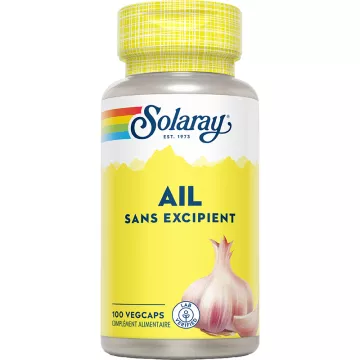
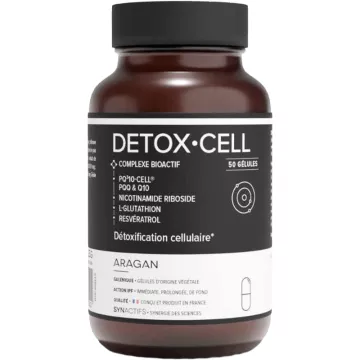
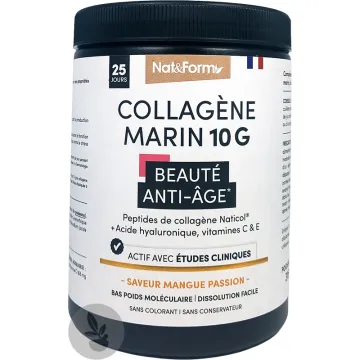
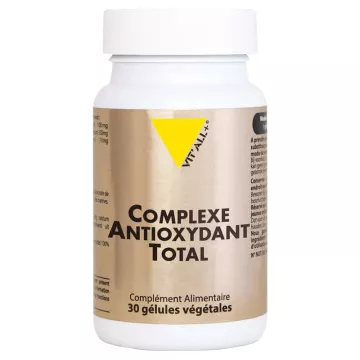
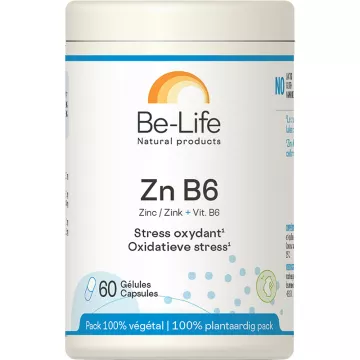
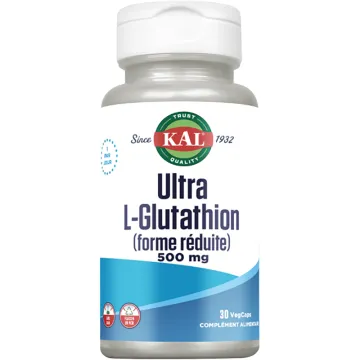
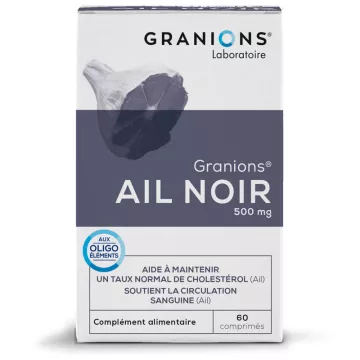
Antioxidants are molecules capable of neutralizing free radicals—reactive oxygen species (ROS) generated by cellular metabolism, pollution, UV rays, and stress. By limiting oxidative stress, they help protect cells and contribute to overall well-being. Discover our line of natural antioxidants.
What is an antioxidant?
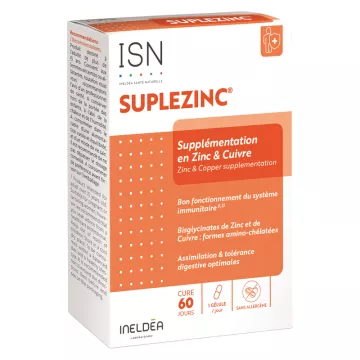
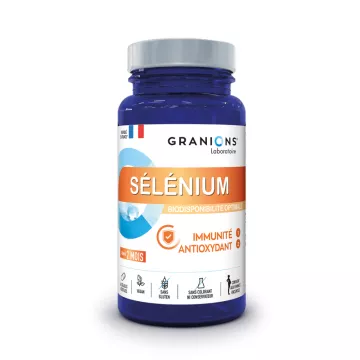
An antioxidant is a molecule that donates an electron to a free radical without becoming unstable itself, thereby interrupting the chain reaction of oxidation. The body has its own endogenous antioxidant systems (glutathione, superoxide dismutase), which are supplemented by dietary intake and supplements. Antioxidants are classified into several groups: vitamins (vitamin C, vitamin E), minerals (selenium, zinc), polyphenols (bioflavonoids, resveratrol, quercetin), and carotenoids (lycopene, lutein).
What are the benefits of antioxidants for the body?
The reduction of oxidative stress by antioxidants contributes to several aspects of health.
- Cellular protection: They limit damage to DNA, proteins, and lipid membranes caused by free radicals
- Immunity: They help maintain the body’s natural defenses by protecting immune cells
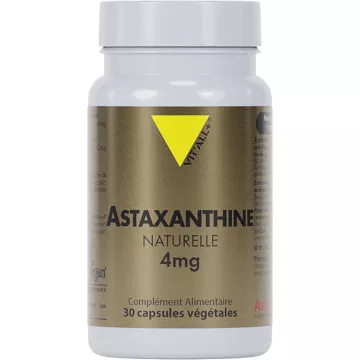
- Eye health: lutein and zeaxanthin are antioxidants specific to the retina and lens
- Cardiovascular health: certain polyphenols help protect blood vessel walls against lipid oxidation
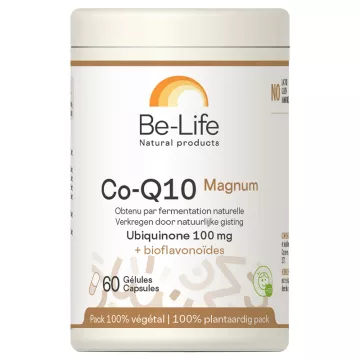
- Vitality: Coenzyme Q10 plays an antioxidant role within the mitochondria
What are the best sources of antioxidants?
A variety of sources is key to comprehensive antioxidant coverage.
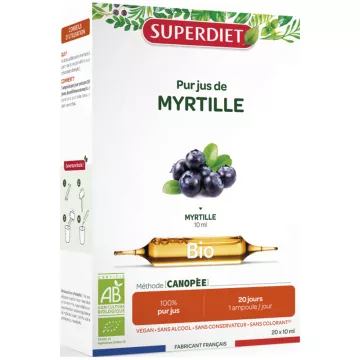
- Berries and red fruits: blueberries, blackcurrants, raspberries—rich in anthocyanins
- Citrus fruits: bioflavonoids (hesperidin, naringenin)
- Colorful vegetables: tomatoes (lycopene), carrots and spinach (carotenoids), onions (quercetin)
- Green tea: catechins (EGCG)
- Black grapes and grape pomace: resveratrol, proanthocyanidins
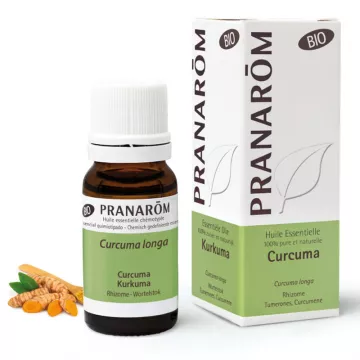
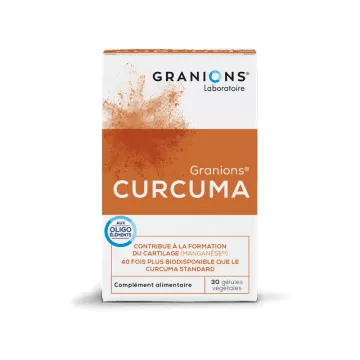
- Nuts, seeds, and spices: vitamin E, selenium, curcumin
Natural vs. Synthetic Antioxidants?
Antioxidants differ based on their origin and range of action.
- Natural: derived from plants or foods—they provide a complete nutritional profile (fiber, cofactors, minerals) that enhances their effectiveness
- Synthetic: chemically manufactured, used as food preservatives (BHA, BHT)—more limited biological effects
- As supplements: opt for standardized extracts of natural origin to benefit from the matrix effect
- Antioxidants work synergistically: a broad spectrum (polyphenols + vitamins + minerals) is more effective than a single isolated active ingredient at a high dose
Antioxidants, Skin, and Skin Aging?
Skin aging is partly linked to oxidative stress—UV rays, pollution, and tobacco are the main sources.
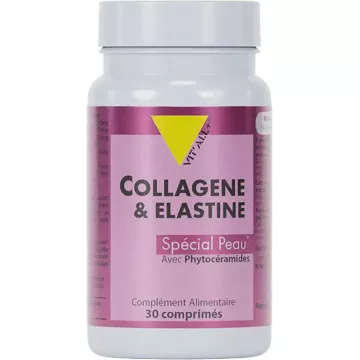
- Antioxidants neutralize free radicals that break down collagen and elastin fibers
- Topical use: vitamin C, vitamin E, and resveratrol in dermo-cosmetic products
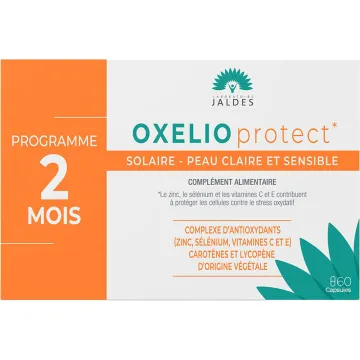
- Through nutrition: carotenoids (beta-carotene, lycopene) help protect the skin against UV rays from the inside
- The combination of nutrition and antioxidant skincare offers the most comprehensive protection
Antioxidants and exercise: what’s the benefit?
Intense exercise increases the production of free radicals. Antioxidants play a role in post-workout muscle comfort.
- They help reduce oxidative stress generated by intense exercise
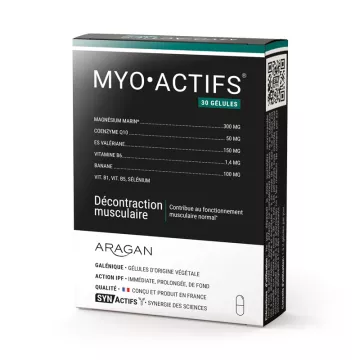
- To be incorporated into athletic recovery —particularly vitamins C and E and coenzyme Q10
- Be cautious about excessive consumption of antioxidant supplements among athletes: an excessive dose may diminish the beneficial adaptations from training (redox signaling necessary for muscle adaptation)
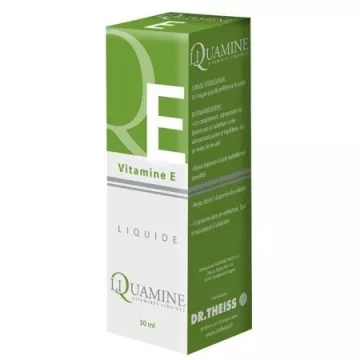
- Possible drug interactions: vitamin E + anticoagulants (bleeding risk)—inform your doctor