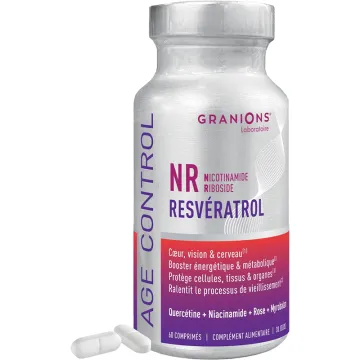
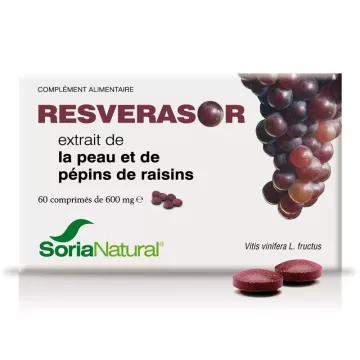
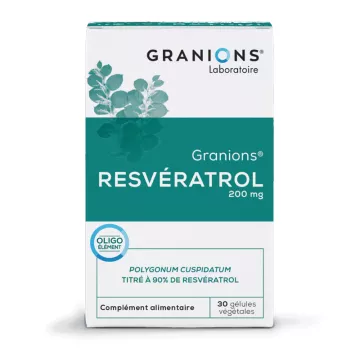
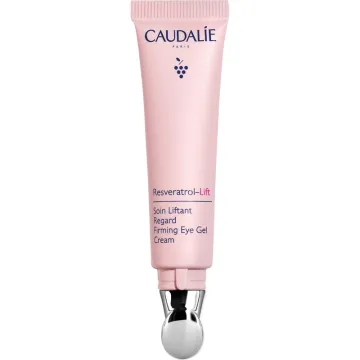
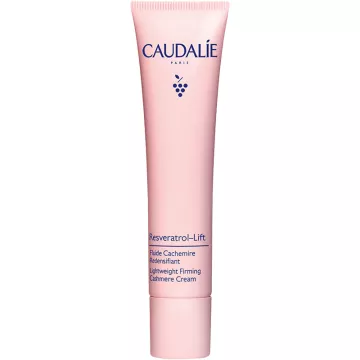
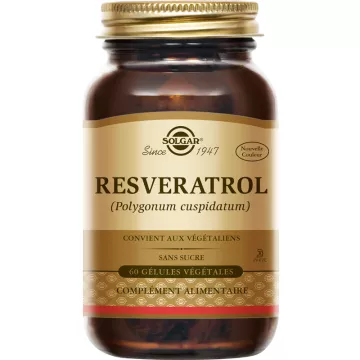
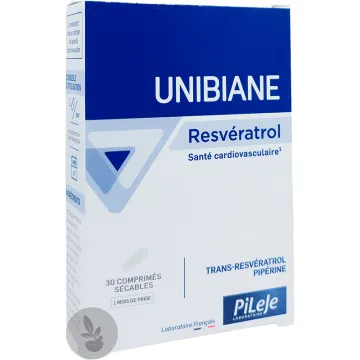
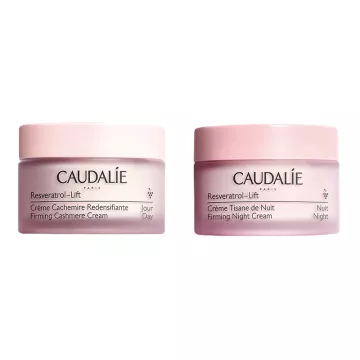
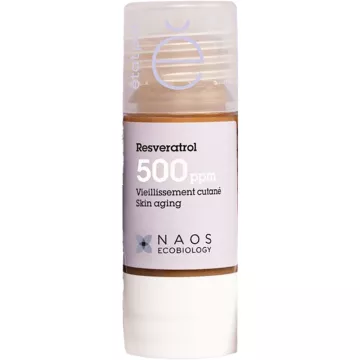
Resveratrol is a polyphenol in the stilbene family, naturally produced by certain plants in response to UV radiation, pathogens, and injury. Found in the skins of red grapes, berries, and cocoa, it is being studied for its antioxidant, vasoprotective, and cell longevity-modulating properties. It belongs to the large family of polyphenols.
What is resveratrol?
Resveratrol (3,5,4'-trihydroxystilbene) is a phytoalexin stilbene synthesized by Vitis vinifera (grapevine) and Polygonum cuspidatum (Japanese knotweed), the most concentrated source in dietary supplements. It exists in two isomeric forms: trans-resveratrol(active) and cis-resveratrol(less stable). Its oral bioavailability is modest (rapid absorption but intense hepatic metabolism)—liposomal or extended-release formulations significantly enhance its systemic action. Discover related grape polyphenols and grape pomace.
Resveratrol and Antioxidants: How Does It Work?
Resveratrol provides antioxidant protection at multiple cellular levels.
- Direct neutralization of free radicals via its hydroxyl group
- Chelation of pro-oxidant metals (iron, copper), limiting the Fenton reaction
- Activation of the Nrf2 pathway—the primary pathway for regulating endogenous antioxidant genes (HO-1, NQO1, glutathione synthetase)
- Protection of blood lipids against oxidation—a key vasoprotective mechanism
- Works synergistically with vitamin C, quercetin, and coenzyme Q10 to provide comprehensive antioxidant protection
Resveratrol, sirtuins, and cellular longevity?
The activation of sirtuins (SIRT1) is the mechanism that has made resveratrol famous in longevity research.
- Sirtuins are NAD+-dependent deacetylases involved in the regulation of gene expression, DNA repair, and energy metabolism
- Resveratrol activates SIRT1, mimicking some of the effects of calorie restriction—a well-documented pathway in animal models
- Effects on concentration and cognitive support through the protection of nerve cells against oxidative stress
- Human clinical studies are still ongoing—the effects on human longevity have not yet been fully established
- Combine withalpha-lipoic acid for a synergistic effect on mitochondrial metabolic pathways
Resveratrol and cardiovascular health?
Resveratrol is one of the most well-documented polyphenols for vascular health.
- It protects circulating lipids from oxidation—a key mechanism in protecting arterial walls
- It helps maintain the flexibility of blood vessel walls and supports microcirculation
- Combined with bioflavonoids in circulatory support formulas
- See our lipid and cardiovascular health category
- Caution: anticoagulants (warfarin)—consult your doctor
Resveratrol and the Skin: Anti-Aging Benefits?
Resveratrol is included in anti-aging skincare products for several reasons.
- Protects skin cells against oxidative stress caused by UV rays and pollution
- Helps protect collagen and elastin fibers from oxidative degradation
- Inhibits tyrosinase—helping to even out skin tone and reduce pigmentation spots
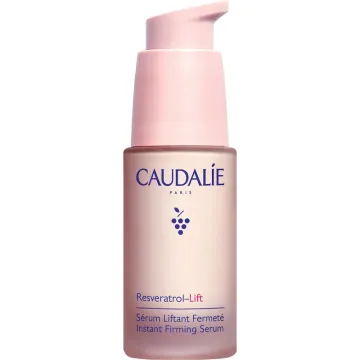
- Found in anti-aging serums as a cell-protective active ingredient for topical application
- Oral use: regular intake helps improve skin quality and protect the complexion from the inside out
How to Choose Your Resveratrol?
A few key criteria distinguish a high-quality product.
- Trans-resveratrol form: the only biologically active form—check the label
- Source: Polygonum cuspidatum (Japanese knotweed) is the most concentrated source of trans-resveratrol; grape skin extract complements the profile with OPC
- Liposomal or phospholipid formula: significantly improves bioavailability
- Optimal combinations: resveratrol + quercetin + vitamin C + piperine (enhances absorption)
- Free of synthetic additives and solvents; GMP-certified