Polyphenols constitute the largest family of natural phytochemicals, with more than 8,000 identified structures. Found in fruits, vegetables, spices, teas, and medicinal plants, they possess antioxidant, vasoprotective, and prebiotic properties that make them key active ingredients in health nutrition. Explore our range of natural antioxidants.
What are polyphenols?
Polyphenols are secondary plant metabolites characterized by the presence of at least one phenolic ring in their structure. They are divided into four major classes: flavonoids (the largest subfamily), phenolic acids (chlorogenic acid, caffeic acid), stilbenes (resveratrol), and lignans. Their biological role in plants is to protect them from UV rays, pathogens, and insects—a function that translates into beneficial properties for the human body when consumed.
What are the families of polyphenols?
Each family of polyphenols has specific sources and mechanisms of action.
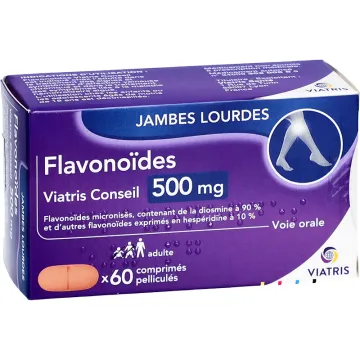
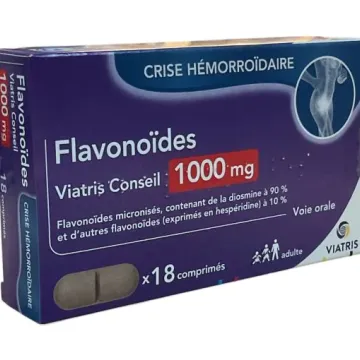
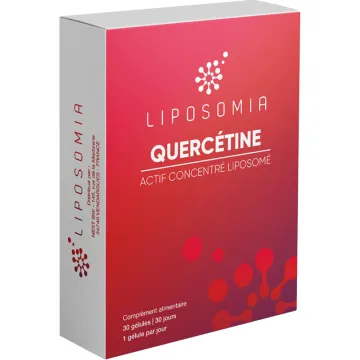
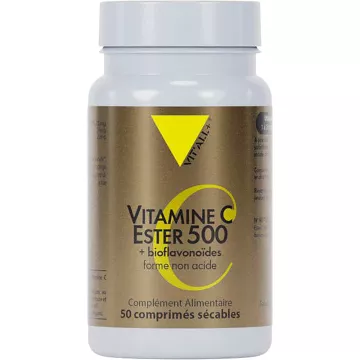
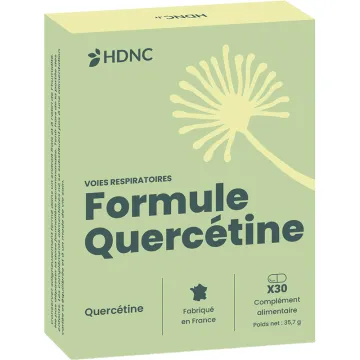
- Flavonoids: more than 6,000 molecules— quercetin, catechins, anthocyanins, citrus bioflavonoids
- Stilbenes (resveratrol): grape skins and red wine—powerful cardiovascular and antioxidant effects
- Grape polyphenols and OPCs from grape pomace: vasoprotective proanthocyanidins
- Phenolic acids: chlorogenic acid (coffee, artichoke), caffeic acid—ubiquitous hydrophilic antioxidants
- Lignans: flaxseeds, whole grains — mild phytoestrogens, beneficial for women’s health
Polyphenols and Antioxidant Protection?
Polyphenols provide antioxidant protection at several complementary levels.
- They directly neutralize free radicals in aqueous and lipid compartments
- They chelate pro-oxidant metals (iron, copper), limiting the Fenton reaction
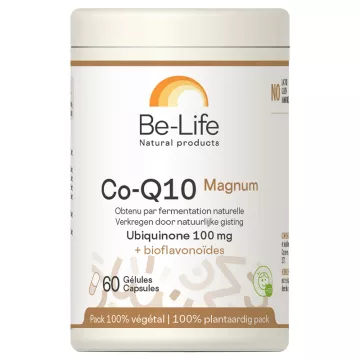
- They regenerate endogenous antioxidants: vitamin C, glutathione, coenzyme Q10
- They modulate the cellular signaling pathways involved in the response to oxidative stress
- The synergy between multiple polyphenols is more effective than a single isolated active ingredient at a high dose
Polyphenols and Cardiovascular Health?
Polyphenols are the most well-documented nutritional compounds for vascular health.
- They help maintain the integrity of capillary walls (OPC, bioflavonoids)
- They protect circulating lipids from oxidation—a key mechanism in protecting arterial walls
- Resveratrol is the most extensively studied polyphenol for its cardiovascular effects (SIRT1 and AMPK pathways)
- Green tea catechins contribute to vasodilation and healthy blood pressure
- Polyphenols exert a prebiotic effect on the gut microbiota—an indirect pathway for cardiovascular support
Sources and bioavailability of polyphenols?
The bioavailability of polyphenols varies depending on the source, the food matrix, and the profile of the gut microbiota.
- Berries (blueberries, cherries, raspberries): anthocyanins
- Black grapes, red wine, and grape pomace: resveratrol, OPC
- Green tea: catechins (EGCG)—the highest concentration of flavanols
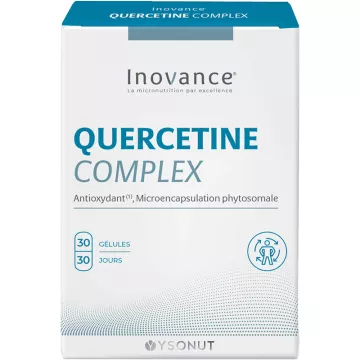
- Onions, apples, capers: high-density quercetin
- Absorption is enhanced by fats (lipophilic polyphenols), gentle cooking (matrix release), and microbiome diversity
- Standardized extracts as supplements: higher bioavailability than raw dietary forms
Supplements and precautions for use?
Polyphenols are well tolerated, but there are a few interactions to be aware of.
- Absorption of non-heme iron is reduced by tannins (catechins, tannic acid)—space out meals containing iron
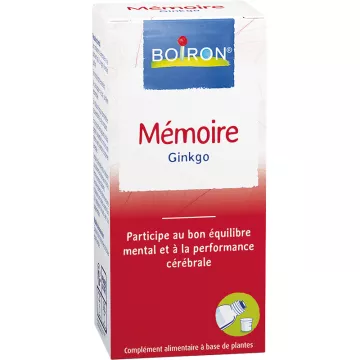
- Anticoagulants: resveratrol, ginkgo biloba, and high-dose OPC may alter the response—inform your doctor
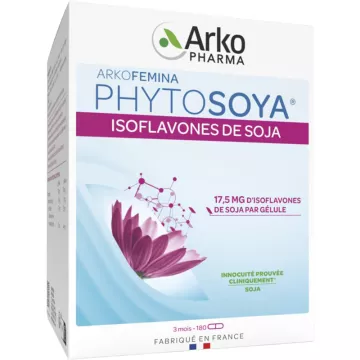
- Soy isoflavones: use with caution if there is a risk of hormone-dependent cancers
- Choose standardized extracts (guaranteed percentage of active ingredients), organic, and free of synthetic solvents
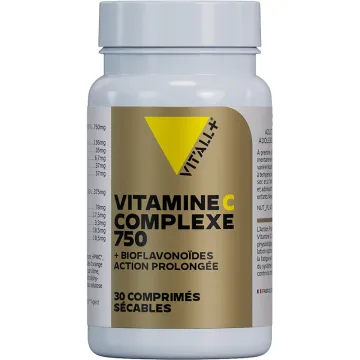
- Multi-polyphenol formulas (resveratrol + quercetin + OPC + vitamin C) offer the most comprehensive antioxidant protection