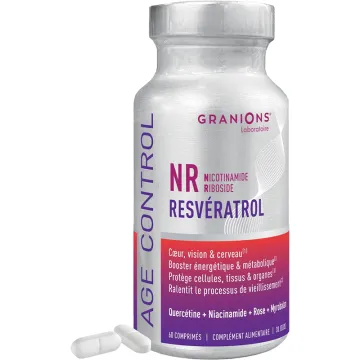
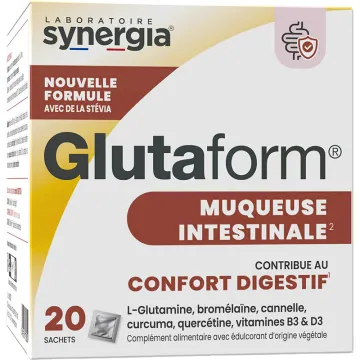
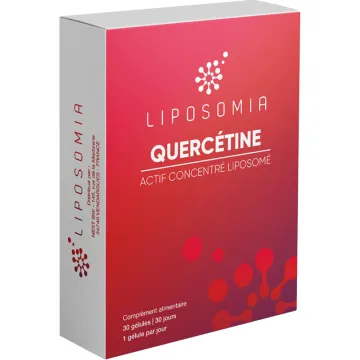
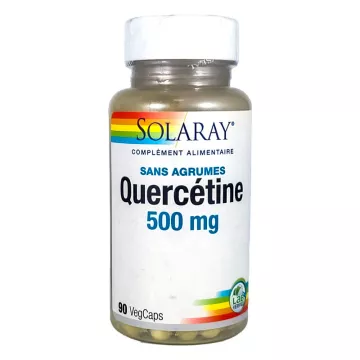
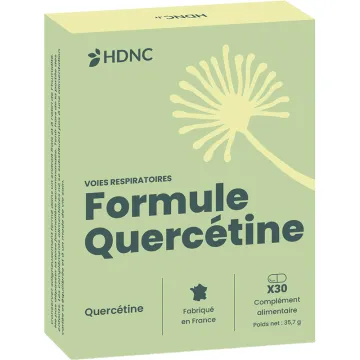
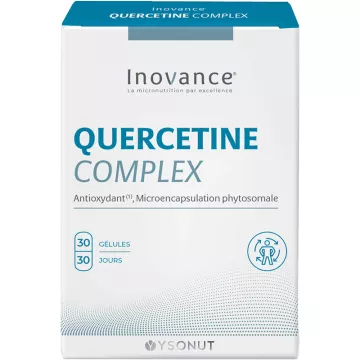
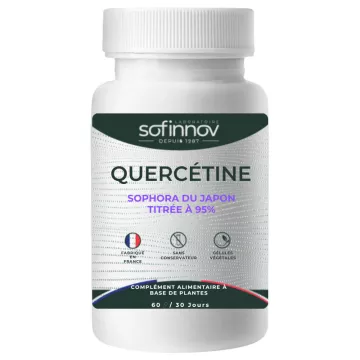
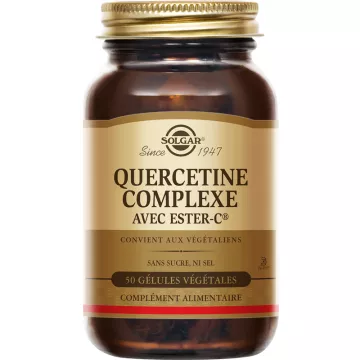
Quercetin is a flavonoid in the flavonol family, found naturally in high concentrations in onions, apples, and capers. Among the most extensively studied polyphenols, it stands out for its natural antihistamine action, its powerful antioxidant capacity, and its support for the immune system. Discover our line of natural antioxidants.
What is quercetin?
Quercetin (3,3',4',5,7-pentahydroxyflavone) is a plant pigment responsible for the yellow and orange hues of many plants. Its structure gives it exceptional antioxidant activity —it neutralizes free radicals and chelates pro-oxidant metals. It is one of the most abundant flavonoids in the plant diet and one of the most clinically studied, particularly for its effect on mast cells and histamine release. Its oral bioavailability is modest—formulations combined with bromelain or piperine significantly improve it.
Quercetin and Immunity: An Antihistamine Effect?
Quercetin is the only flavonoid known to exert a direct effect on mast cells, the cells involved in the allergic response.
- It inhibits mast cell degranulation and the release of histamine—a mechanism well documented in vitro and in certain clinical studies
- It helps promote comfort during seasonalallergy season and provides relief from allergic rhinitis
- See our selection of anti-allergy products and quercetin + vitamin C combination formulas
- It supports the normal functioning of the immune system—including the activity of NK cells and lymphocytes
Quercetin and Antioxidant Protection?
Quercetin is one of the most active antioxidant flavonols —its structure, featuring five hydroxyl groups, gives it a high capacity to neutralize free radicals.
- It activates the Nrf2 pathway—the primary regulator of endogenous antioxidant genes (glutathione synthase, SOD)
- It protects circulating lipids from oxidation—protecting blood vessel walls
- Works synergistically with vitamin C (which regenerates reduced quercetin) and resveratrol
- Helps protect skin cells against photoaging
- Combined with OPCs from grape pomace in polyphenol-based anti-aging formulas
Quercetin and sports: what are the benefits?
Quercetin offers documented benefits for athletes, particularly for post-workout recovery.
- It reduces oxidative stress caused by intense exercise, contributing to muscle comfort
- It promotes athletic recovery by limiting the post-workout oxidative response
- Studies suggest it may enhance aerobic endurance by stimulating mitochondrial biogenesis
- Combine with bioflavonoids and vitamin C in natural recovery formulas
Where can quercetin be found in food?
Quercetin is most concentrated in foods with pigmented skins and a slightly bitter flavor.
- Red onions: the richest source (up to 300 mg/kg of fresh weight)
- Capers: exceptionally high content (600–1,700 mg/kg)
- Apples with the skin on, cherries, cranberries
- Broccoli, kale, spinach
- Green tea and red grapes
- Cooking reduces the quercetin content in onions: it’s best to eat them raw or lightly cooked
How should quercetin be used as a supplement?
Supplementation is recommended for increased needs or insufficient dietary intake.
- Typical dosage: 200 to 500 mg per day—as a 4- to 6-week course
- Always combine with vitamin C: it improves absorption and antioxidant effectiveness
- Formulas containing bromelain or piperine: improved bioavailability
- Precautions: anticoagulants (warfarin, heparin), immunosuppressants, antihypertensives — inform your doctor
- Mild digestive upset possible at high doses—divide doses throughout the day
- Pregnant and breastfeeding women: Avoid supplementation without medical advice