What is allergic rhinitis, and how does it work?
Allergic rhinitis is an inflammation of the nasal mucosa mediated by IgE antibodies—the immune system mistakenly identifies certain inhaled allergens as threats and triggers a chain reaction: the release of histamine and other inflammatory mediators by mast cells, vasodilation, hypersecretion, and itching. It affects 20 to 30% of the French population and is the most common allergic condition. Natural products for winter ailments and rhinitis are available in the store.
- Clinical forms: seasonal (pollen—birch and ash Feb–Apr, grasses May–Jul, ragweed Aug–Sep— “hay fever”) — perennial (dust mites, animal dander, mold—symptoms present year-round) — mixed (sensitization to both types)
- Characteristic symptoms: sneezing fits — clear, watery nasal discharge — bilateral nasal congestion — nasal, eye, palate, and ear itching — associated watery eyes and conjunctivitis — never fever (unlike the common cold) — symptoms triggered or worsened by exposure to the allergen
- Distinguishing allergic rhinitis from the common cold: allergic rhinitis (no fever, intense itching, symptoms lasting > 2 weeks or recurring during the same season, context of allergen exposure) — viral cold (sudden onset, possible mild fever, nasal discharge that changes from clear to mucopurulent within 3 to 5 days, duration 7 to 10 days)
- Heredity and atopic predisposition: 25–30% risk of allergies if one parent is atopic, 50–60% if both are—often associated with allergic asthma (80% of asthmatics have rhinitis), conjunctivitis, and atopic eczema—treating rhinitis improves asthma control
How is allergic rhinitis diagnosed and treated?
The diagnosis is based on the consistency between symptoms, exposure history, and laboratory confirmation. Skin tests (prick tests) remain the gold standard—a drop of allergen extract is placed on scarified skin; a positive reaction (papule ≥ 3 mm at 15 minutes) confirms sensitization. Serum-specific IgE (RAST) tests are used when prick tests are not feasible. Treatment is based on severity according to the ARIA classification (intermittent vs. persistent, mild vs. moderate-severe).
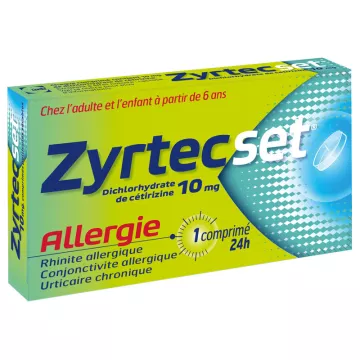
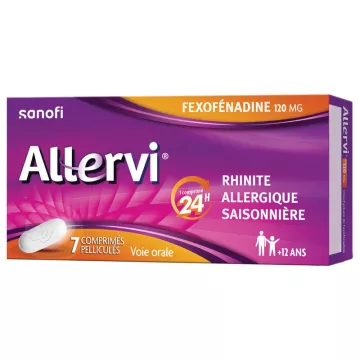
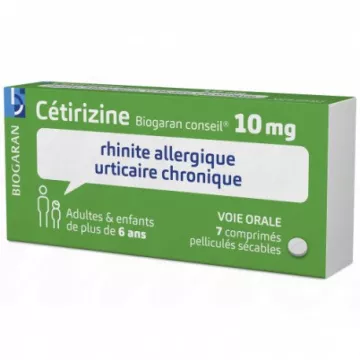
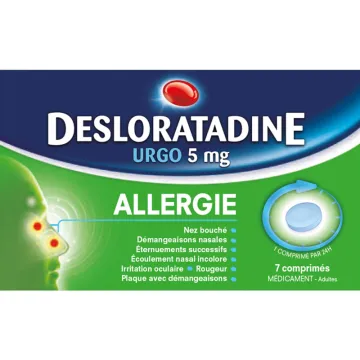
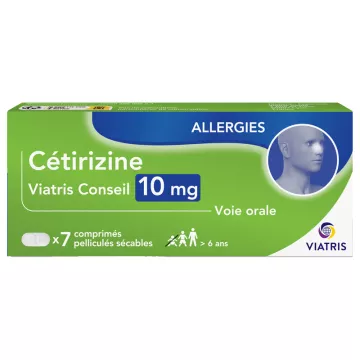
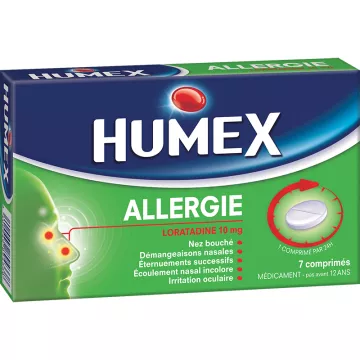
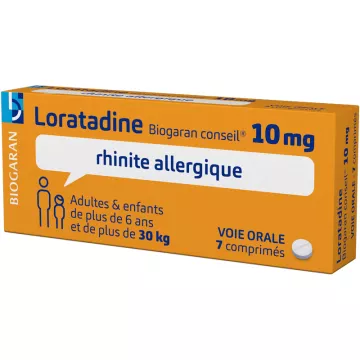
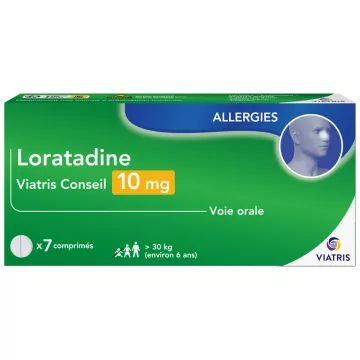
- Oral antihistamines: cetirizine, loratadine, bilastine (second generation—non-sedating—first-line treatment for mild forms)—provides rapid relief from itching and sneezing—less effective for nasal congestion—should ideally be taken 30 to 60 minutes before exposure
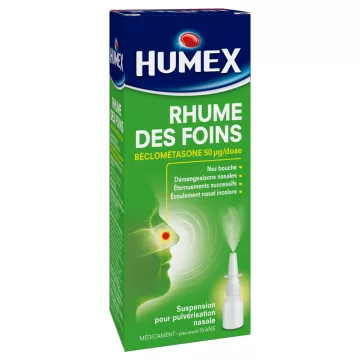
- Nasal corticosteroids: fluticasone, mometasone, budesonide — standard of care for moderate to severe persistent forms — maximum efficacy after 5 to 7 days of regular use — effective against all symptoms, including nasal congestion — proven long-term safety (negligible systemic absorption)
- Allergen immunotherapy (AIT): subcutaneous or sublingual desensitization — the only treatment that alters the course of the disease — indicated for moderate-to-severe persistent rhinitis that is inadequately controlled by medication — duration: 3 to 5 years — reduces the risk of progression to asthma — efficacy maintained after discontinuation
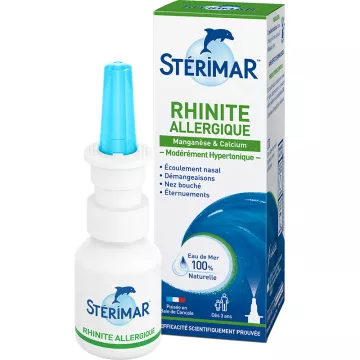
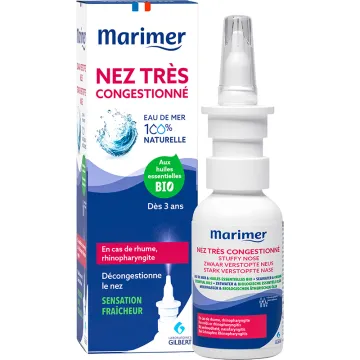
- Daily nasal irrigation: saline solution or seawater — removes allergens deposited on the mucous membrane — reduces the allergen load and the inflammatory response — recommended basic practice to complement any medical treatment
Diet, Environment, and Quality of Life with Allergic Rhinitis
Allergen avoidance remains the most effective preventive measure—it does not cure sensitization but reduces the allergen load and often allows for a reduction in medication doses. For dust mites: use dust-mite-proof covers on mattresses and pillows, wash bedding at 60°C, vacuum regularly with a HEPA filter, and keep indoor humidity below 50%. For pollen: RNSA reports, keep windows closed during peak pollen hours (10 a.m.–1 p.m.), shower upon returning home, use an air purifier with a HEPA filter.
- Anti-inflammatory diet: omega-3s (fatty fish—such as salmon, mackerel, and sardines—reduce the production of pro-inflammatory mediators)—antioxidants (colorful fruits and vegetables—vitamins C and E, polyphenols)—local honey (consumed regularly before the pollen season to allow for gradual exposure to local pollens)—probiotics (modulation of the Th1/Th2 immune response)—avoid highly processed foods and excessive dairy products during periods of severe symptoms
- Impact on quality of life: nighttime congestion → snoring → non-restorative sleep → daytime fatigue, irritability, and reduced academic and occupational performance — allergic rhinitis is still too often downplayed despite its real impact — a poorly controlled patient warrants a reevaluation of treatment
- Indications for an allergy consultation: rhinitis persisting year-round or for more than 4 weeks per year — associated asthma — severe rhinitis resistant to antihistamines and corticosteroids — before initiating immunotherapy — suspected occupational sensitization (workplace-related symptoms)