Euphrasia Officinalis Boiron: Homeopathic Remedy for Eye and Allergy Problems
Euphrasia OFFICINALIS 5CH, 7CH, 9CH, 15CH, 30CH Boiron Homeopathic Granules
Registered Medication: EH00555
Source: Plant
Since ancient times,Euphrasia officinalis, commonly known as eyebright, has been prized for its remarkable therapeutic properties, particularly in the treatment of eye conditions. This medicinal plant, a true treasure of nature, offers an effective solution against various eye infections and inflammations.
The Power of Eyebright in Combating Eye Conditions
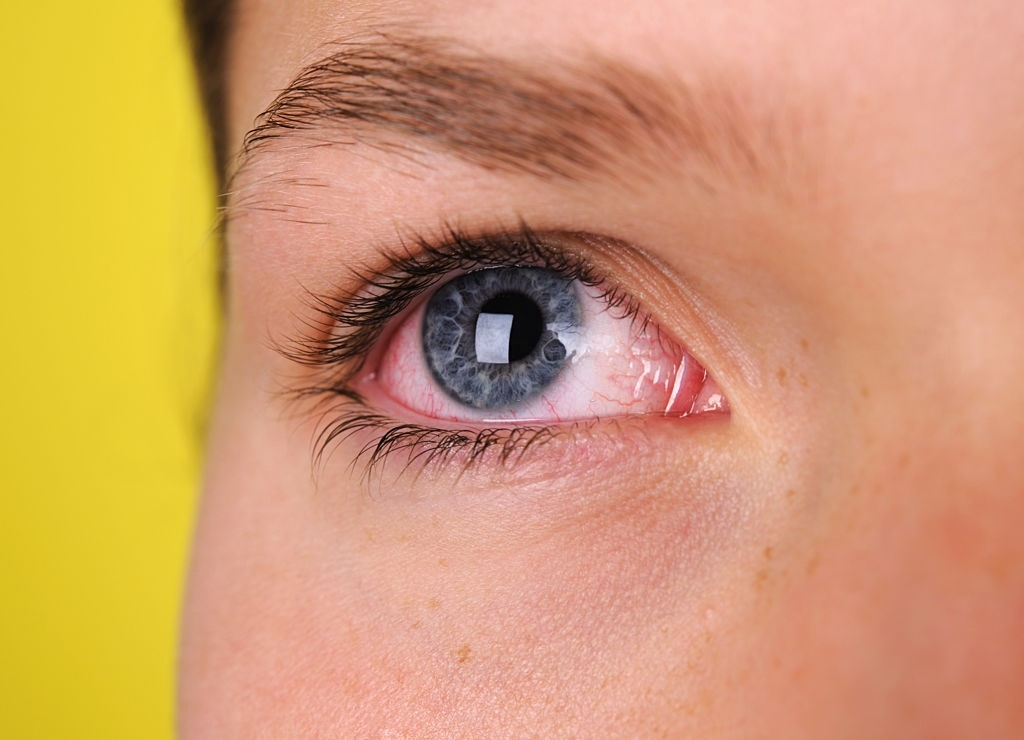
Euphrasia officinalis is traditionally used for its beneficial effects on irritated or infected eyes. This homeopathic remedy is derived from a plant species that specifically targets the symptoms of conjunctivitis and rhinoconjunctivitis, conditions frequently accompanied by redness, watery eyes, and intense irritation.
Effectiveness in Cases of Conjunctivitis and Rhinoconjunctivitis
Euphrasia is particularly recommended for conjunctivitis, an inflammation of the conjunctiva that manifests as red, watery eyes. Thanks to its anti-inflammatory and analgesic properties, it quickly reduces the burning sensation and swelling of the eyelids, which are typical symptoms of this condition.
Treatment of Symptoms Associated with Photophobia
In addition, Euphrasia officinalis is also recommended for treating cases of conjunctivitis accompanied by photophobia—a hypersensitivity to light that can make eye pain particularly distressing. Its targeted action helps reduce the intensity of pain and improve visual comfort for those affected.
Usage and Recommendations
To benefit from its effects, Euphrasia officinalis can be used in various forms: eye drops, compresses, or as an infusion for soothing eye baths. It is advisable to consult a healthcare professional to determine the most appropriate form and exact dosage based on the symptoms presented.
Conclusion: Why Choose Euphrasia Officinalis?
Choosing Euphrasia officinalis means opting for a natural and gentle treatment to effectively combat eye disorders. This homeopathic remedy proves that a natural alternative can be just as effective as more conventional treatments, without the side effects sometimes associated with them. Whether for mild conjunctivitis or more severe symptoms such as photophobia, Euphrasia offers a top-choice solution for improving your eye health naturally.
By adding this plant to your first-aid kit, you’ll have a valuable ally in maintaining the well-being of your eyes every day.
Indications and Dosage for Euphrasia officinalis
Treating Eye Conditions with Euphrasia officinalis
Renowned for its medicinal properties, Euphrasia officinalis is a remedy used in homeopathy to treat eye conditions.
Relief from Eye Irritation and Conjunctivitis
Euphrasia Officinalis, offered by Boiron, is a homeopathic remedy widely used in ophthalmology to treat various eye conditions such as conjunctivitis, rhinoconjunctivitis, and general eye irritation. Thanks to its anti-inflammatory and soothing properties, Euphrasia helps reduce inflammation and relieve symptoms of itchy and red eyes.
Effective Treatment for Eye Allergies
In allergology, Euphrasia Officinalis is particularly effective for treating allergic conjunctivitis and allergic rhinitis. This homeopathic remedy works by alleviating allergic reactions and reducing unpleasant symptoms such as a runny nose and eye irritation, thereby providing natural and gentle relief for people suffering from seasonal allergies.
Dosage of Euphrasia for Conjunctivitis
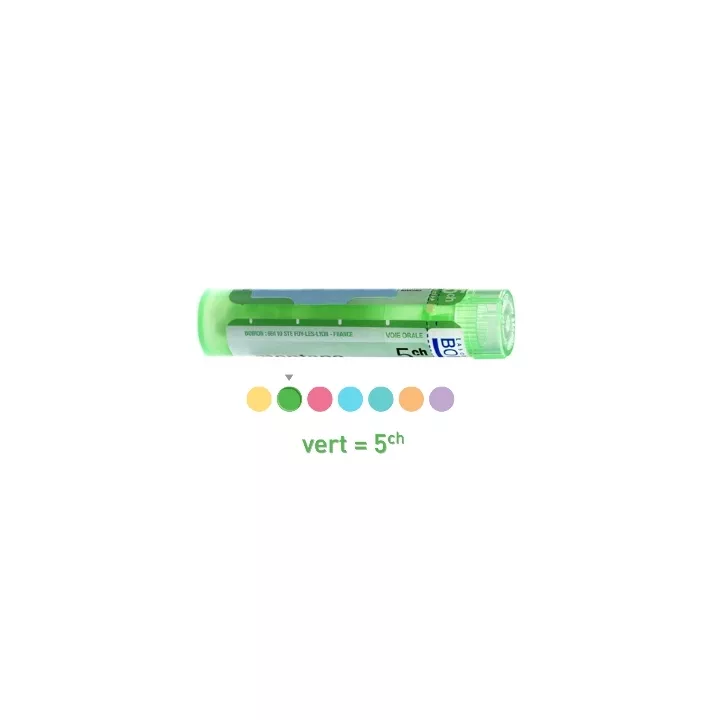
In cases of infectious or allergic conjunctivitis, it is recommended to take 5 granules ofEuphrasia officinalis 5 CH every hour until the watery eyes and discomfort gradually subside. However, if symptoms persist, it is best to consult a doctor without delay.
Recommended dosage of Euphrasia for rhinoconjunctivitis
To relievethe eye irritation typically associated with rhinoconjunctivitis, it is recommended to take 5 granules ofEuphrasia officinalis 9 CH 4 times a day until symptoms disappear completely. Additionally, it is worth noting that the remedy will also be effective if the condition is accompanied by redness of the conjunctiva and a sensationof discomfort in the eyes.
Euphrasia in Homeopathy for Allergic Rhinitis
For allergic rhinitis, take 5 granulesof Euphrasia officinalis 9 CH four times a day, along with 5 granules of Poumon Histamine 9 CH in the morning and evening untilthe allergy subsides and the watery eyes finally clear up.
Recommendations for Use of Euphrasia officinalis and Instructions for Use
Twist the tube to dispense the desired number of Euphrasia globules into the cap, then place the globules under the tongue. The granules from the dose tubes are taken all at once by letting them dissolve slowly under the tongue. If a specific dose is not available, take 10 Euphrasia granules of the same dilution.
To maximize the effects of Euphrasia officinalis in treating eye and allergy-related conditions, it is recommended to take 5 granules at the appropriate dilution (4CH, 5CH, 7CH, 9CH, 15CH, 30CH), as needed or as advised by a healthcare professional. For optimal absorption, take the remedy away from meals.
Use a mint-free toothpaste (such as Boiron’s Homéodent, a toothpaste compatible with taking homeopathic granules).
How long does it take to see an improvement with Euphrasia Officinalis?
Improvement may be noticeable shortly after starting treatment, often within a few days of regular use, depending on individual response and the severity of symptoms.
Are there any side effects associated with using Euphrasia Officinalis?
Euphrasia Officinalis is generally well tolerated, and side effects are rare in homeopathy. However, if you experience any unusual reactions, it is important to consult a healthcare professional.
Can Euphrasia Officinalis be used alongside other allergy treatments?
Yes, Euphrasia Officinalis can be used in conjunction with other medical treatments for allergies. However, it is advisable to discuss any combination of treatments with a healthcare professional to avoid interactions.
Is Euphrasia Officinalis suitable for all ages?
Euphrasia Officinalis can be used by people of all ages. Nevertheless, a prior consultation with a healthcare professional is recommended to determine the appropriate dosage, particularly for children and the elderly.
Packaging and Quantity
Euphrasia Officinalis, commonly known as eyebright or “eye herb,” is widely used in homeopathy to treat various eye conditions. This plant-based remedy is listed in the French and European Pharmacopoeias and is available in doses, tubes, and as compounded preparations, including Korsakovian dilutions.
Origin and Properties
Euphrasia Officinalis is traditionally used for its anti-inflammatory and astringent properties, which are particularly effective in treating eye inflammation and irritation. In homeopathy, it is recommended to relieve symptoms of eye conditions such as conjunctivitis and irritation caused by allergies.
Available Formulations
Dosages and Tubes:
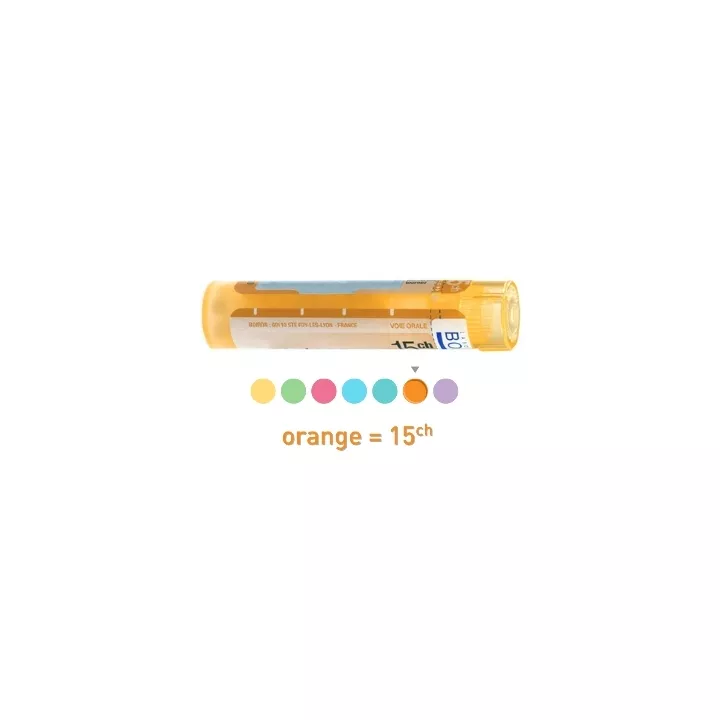
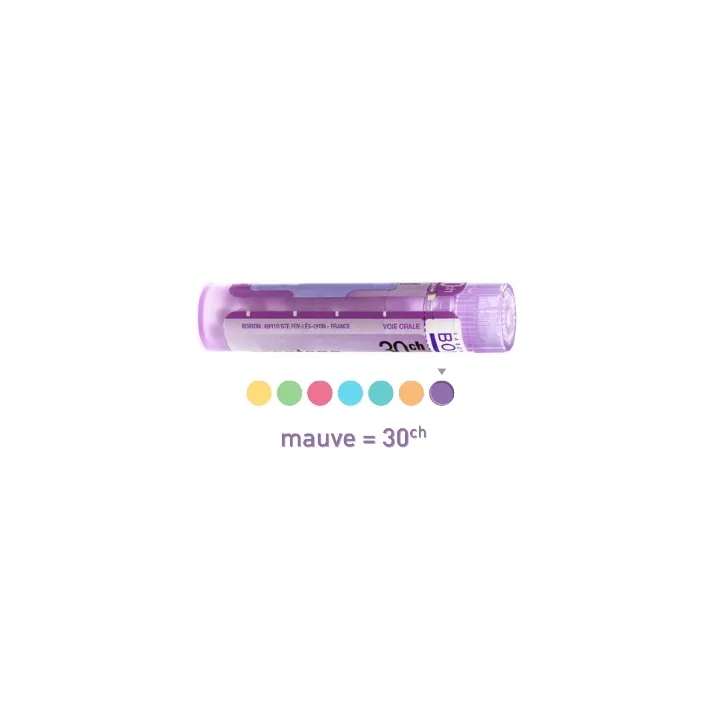
- Potencies: Available in potencies of 5 CH, 7 CH, 9 CH, 15 CH, and 30 CH, tailored to address the severity and chronicity of symptoms.
- Tubes: Offered in dilutions of 4 CH, 5 CH, 7 CH, 9 CH, 15 CH, and 30 CH, allowing for precise adjustment of treatment according to the patient’s needs.
Compounded Preparations:
- Euphrasia Officinalis can also be prepared in Hahnemannian dilutions starting at 2 CH and in Korsakovian dilutions at 200K, 1,000K, and 10,000K. This flexibility allows practitioners to tailor the remedy to each patient’s specific condition.
Precautions for Use
Warning
Contains sucrose. Store Euphrasia officinalis 9CH homeopathic remedies away from light, heat, moisture, and any sources of fumes or fragrances.
Administering Euphrasia Homeopathic Granules to Infants and Children
Dissolve the Euphrasia officinalis granules in 100 ml of water. Since the granules take a long time to dissolve, you should prepare the mixture in advance.
Euphrasia Homeopathy and Pregnancy
Homeopathic remedies have no chemical toxicity, no contraindications, no interactions with other medications, and no adverse effects related to the amount ingested. Pregnant women can use them without any known risk to themselves or their unborn child, but it is best to seek advice.