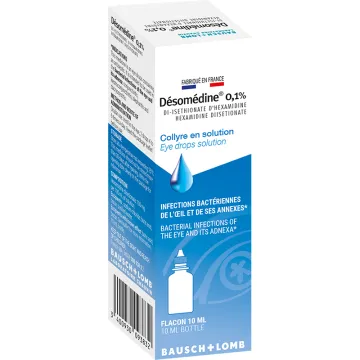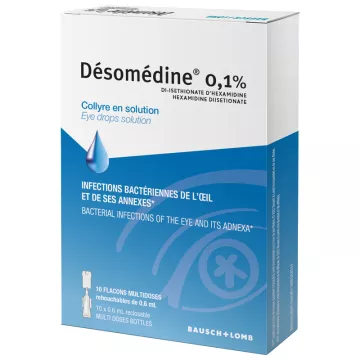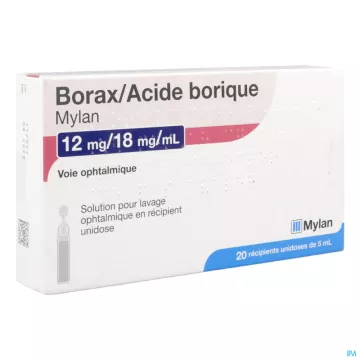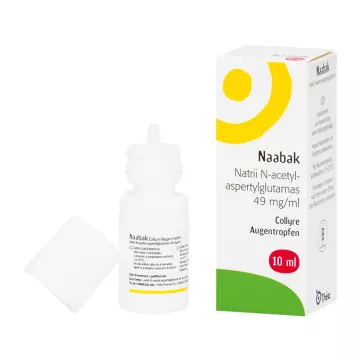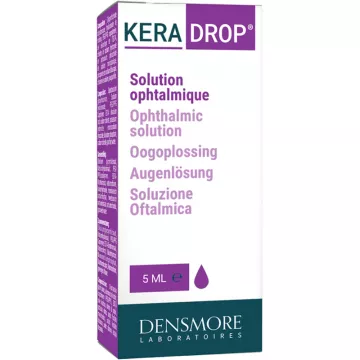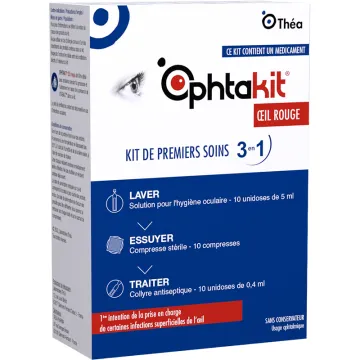

Three types of conjunctivitis with distinct mechanisms and treatments. Viral conjunctivitis (caused by adenovirus) is characterized by clear discharge, is often bilateral, and resolves spontaneously within 1 to 2 weeks—antibiotics are not effective. Bacterial conjunctivitis (Staphylococcus aureus, Haemophilus) is characterized by yellow-green purulent discharge and eyelids that stick together upon waking—topical antibiotics reduce the duration to 5–7 days. Allergic conjunctivitis, which is noncontagious, is characterized by intense itching, bilateral clear tearing, and chemosis following exposure to an allergen. A healthcare professional will recommend the appropriate treatment based on the clinical presentation.
Recurrent viral conjunctivitis indicates compromised local immunity.Echinacea (Echinacea purpurea, standardized extract) activates macrophages and NK cells via its arabinogalactan—the first line of defense against adenoviruses. A Cochrane meta-analysis (Karsch-Völk et al., 2015) confirms a 10–58% reduction in episodes of mucosal infections, depending on the formulation. An 8-week preventive course is recommended during high-risk periods.
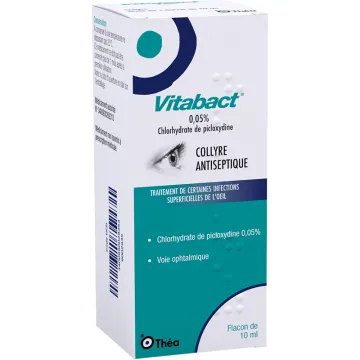
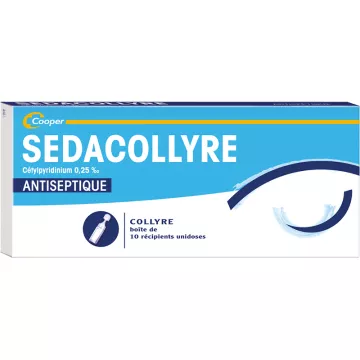
Terpinen-4-ol intea tree essential oil (Melaleuca alternifolia) has documented antibacterial activity against S. aureus and S. epidermidis and is effective against Demodex palpebris—a parasite often associated with chronic blepharoconjunctivitis. For ocular use, never use it undiluted—only in certified ophthalmic formulations at a very low concentration (0.05%), and never instill it directly into the eye. For appropriate eye drops and solutions, the eye drops page details the available products.
Aloe vera gel (ophthalmic grade) contains mucoadhesive polysaccharides that form a moisturizing film on the conjunctiva, reducing the sensation of grittiness. Its acemannan inhibits the pro-inflammatory cytokines IL-1β and TNF-α in vitro.Rose floral water (Rosa damascena, pH 4.5–5) has a mild astringent effect and reduces conjunctival erythema through its geraniol and phenylethanol. These two active ingredients are used for comfort care—not as treatments for an active infection.
Viral and bacterial conjunctivitis are transmitted through direct contact with eye secretions or via contaminated hands. Wash your hands with soap and water for 30 seconds before and after any eye contact; do not share towels or cosmetics; and change your bedding on the first day. Contact lenses must be removed for the entire duration of the episode.
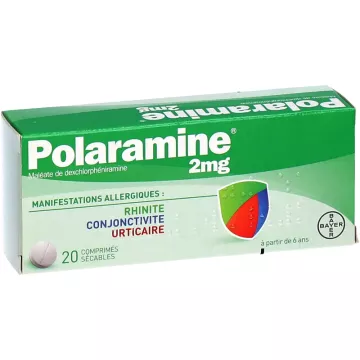
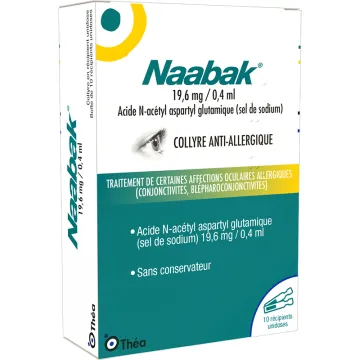
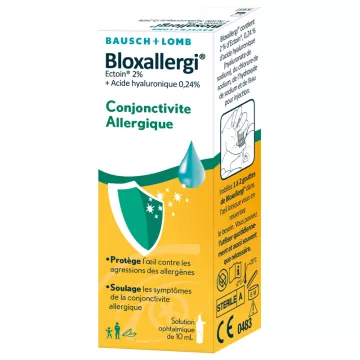
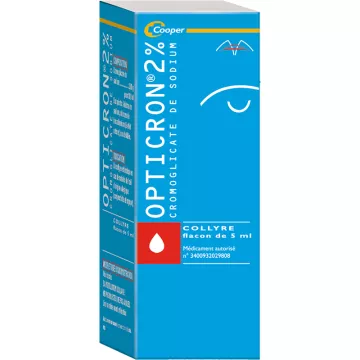
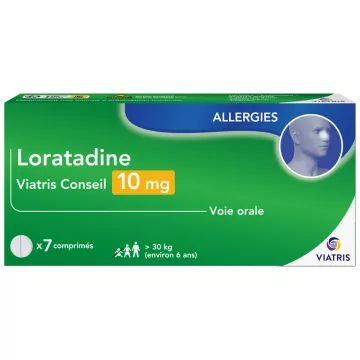
Allergic conjunctivitis is the most uncomfortable form in daily life—the intense itching leads to eye rubbing, which worsens conjunctival inflammation. Natural management combines several approaches: avoiding the allergen whenever possible, cold compresses (which provide immediate vasoconstriction), hyaluronic acid artificial tears to dilute the allergen and reduce contact irritation, and natural antihistamines (quercetin, echinacea) as oral supplements. Vitamin C (500 mg/day) reduces histamine release by conjunctival mast cells, according to clinical studies. In cases of severe symptoms or if natural remedies are ineffective, antihistamine or mast cell degranulation-inhibiting eye drops are available upon consultation with a pharmacist.