Cineraria maritima Homeopathic Granules by Boiron
Information on the Cineraria maritima strain
Registered medication: EH00331
Listed in the pharmacopoeia
Included in the list of 1,163 homeopathic medicines eligible for reimbursement on a per-unit basis
French name: CINERAIRE
Origin: Plant-based
Cineraria maritima exemplifies the holistic approach of homeopathy, which harnesses the properties of plants to offer natural, non-invasive treatments. Its use in eye care highlights the importance of plant-based pharmacopoeia in the development of homeopathic remedies. As always, it is recommended to consult a qualified healthcare professional for appropriate and personalized use of this homeopathic remedy.
Discover Boiron’s Cineraria maritima, a homeopathic treatment for conjunctivitis, blepharitis, and cataracts. Choose this natural solution to improve your eye health and restore clear vision without resorting to aggressive treatments.
Indications and Dosage
Homeopathic medicines—whether in granule tubes or globule doses—can be used for a variety of symptoms; therefore, it is not possible to specify the indications and dosage for a specific preparation. A homeopathic physician selects the appropriate remedy, dilution, and dosage based on the patient’s health condition and characteristic symptoms.
Cineraria maritima by Boiron: Naturally Healthy Eyes
Homeopathic Eye Care: Cineraria maritima 9CH and 30CH, formulated by Boiron, is a homeopathic remedy specifically indicated for the treatment of various eye conditions such as conjunctivitis, blepharitis, and cataracts. Thanks to its targeted action, Cineraria maritima helps relieve inflammation and improve eye health, offering a natural alternative for eye care.
A Gentle Solution for Eye Conditions
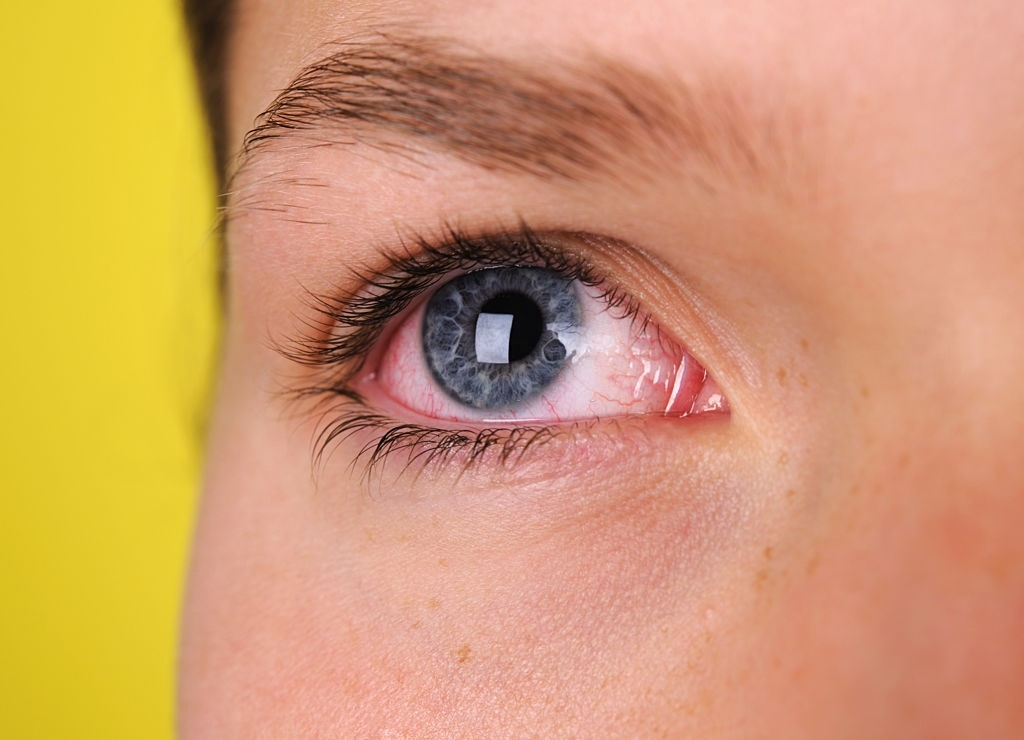
Combats Conjunctivitis and Blepharitis: Eye inflammations such as conjunctivitis and blepharitis can cause significant discomfort. Cineraria maritima provides significant relief by reducing redness, irritation, and a burning sensation, helping restore comfort and clear vision.
Support for Cataract Prevention
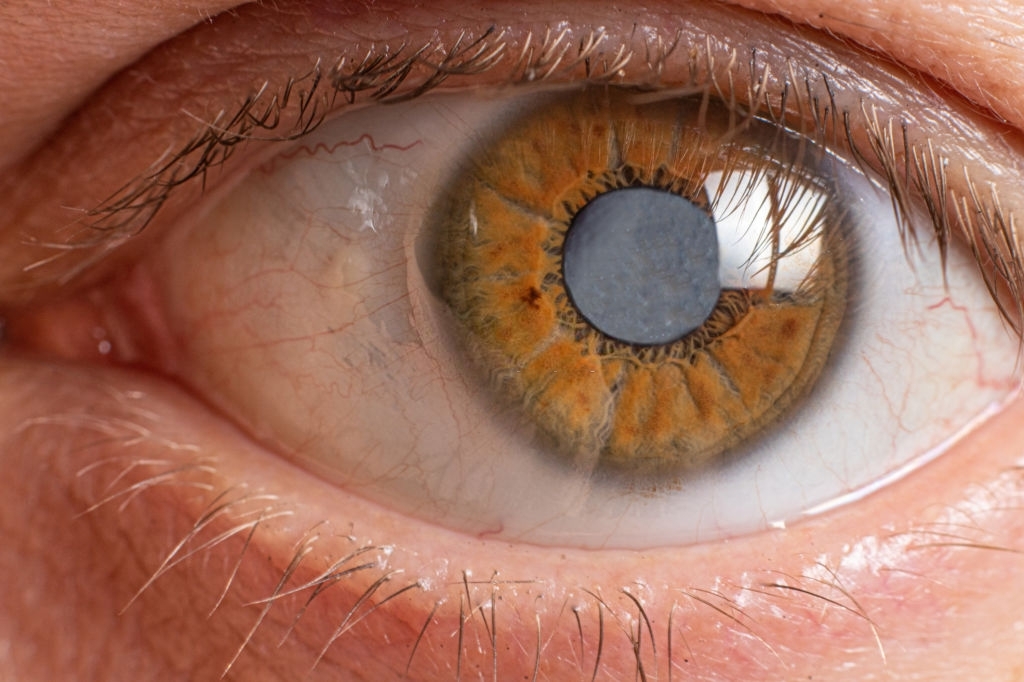
Toward Clear Vision: Although cataracts are often age-related, Cineraria maritima is recognized for its role in supporting the prevention and treatment of this condition. This homeopathic remedy promotes eye health and may help slow the progression of cataracts, helping to maintain sharper vision for longer.
Directions for Use
Remove the tab, turn the tube upside down, and gently pull the cap.
Twist the tube to dispense the desired number of granules into the cap, then place the granules under the tongue.
It is recommended not to touch the homeopathic granules or globules with your fingers.
The globules from the dose tubes are taken all at once by letting them dissolve slowly under the tongue. If a dose is missed, take 10 granules of the same dilution.
Do not consume astringent substances—such as coffee, tobacco, camphor, mint, or chamomile—within half an hour before taking homeopathic remedies.
Use a mint-free toothpaste (such as Homéodent Boiron, a toothpaste compatible with taking homeopathic granules).
How should Cineraria maritima Boiron be used?
It is recommended to follow the dosage instructions on the packaging or those provided by a healthcare professional to ensure safe and effective use.
Is Cineraria maritima suitable for everyone?
This homeopathic remedy can be used by people of all ages experiencing eye problems. However, it is advisable to consult a healthcare professional to ensure it is appropriate for your specific condition.
When can you expect to see an improvement?
Results may vary from person to person. Nevertheless, some users report symptom relief shortly after starting treatment. It is important to continue using the product as recommended to fully benefit from its therapeutic effects.
Packaging and Quantity
Cineraria maritima, also known as Sea Cineraria, is a plant native to the coastal regions of the Mediterranean, valued for its medicinal properties in homeopathy. Listed in the French and European pharmacopoeias and registered under number EH00331, this plant strain is used in specific homeopathic treatments.
Origin and Properties
Cineraria maritima is recognized for its beneficial effects on eye health. Traditionally, extracts from this plant have been used to relieve various eye conditions, thanks to its anti-inflammatory properties and its ability to improve blood circulation in the eyes.
Available Forms
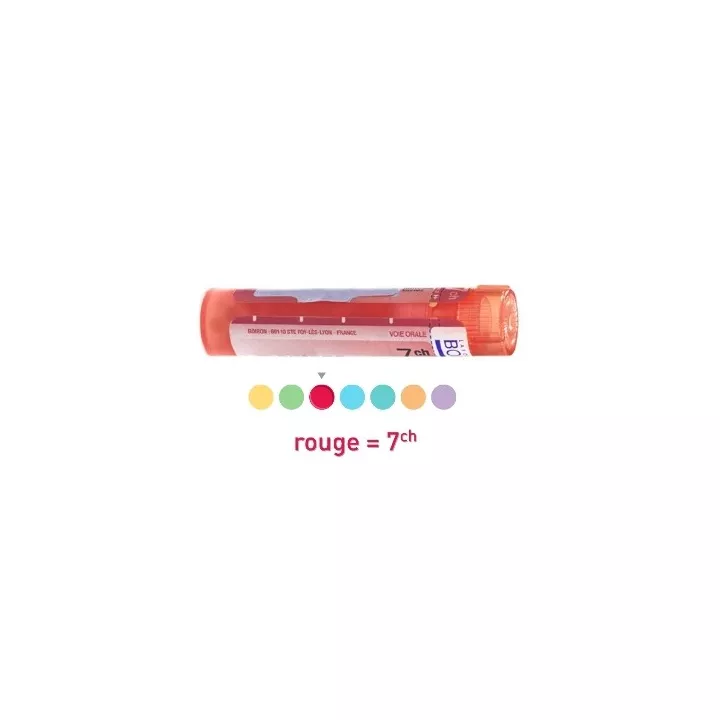
Tubes: The remedy is available in homeopathic tubes at dilutions of 9 CH and 30 CH, allowing the treatment to be tailored to patients’ individual needs and the severity of their symptoms.
Compounded Preparations: In addition, Cineraria maritima can be prepared in Hahnemannian dilutions starting at 5 CH. These customized preparations offer additional flexibility, allowing practitioners to formulate tailored treatments for their patients.
Therapeutic Applications
In homeopathy, Cineraria maritima is primarily used to treat eye disorders, such as dry eye, conjunctivitis, or cataracts. Its ability to promote eye health makes it a preferred choice for people seeking a natural solution to maintain or improve their vision.
Precautions for Use
Warning
Contains sucrose. Store homeopathic medicines away from light, heat, moisture, and any sources of fumes or fragrances.
Administering Homeopathic Granules to Infants and Children
For granules or alcohol-based drops, dissolve them in 100 ml of water. Since granules take a long time to dissolve, you should prepare your mixture in advance.
Homeopathy and Pregnancy
Homeopathic remedies have no chemical toxicity, no contraindications, no interactions with other medications, and no adverse effects related to the amount ingested. Pregnant women can use them without any known risk to themselves or their unborn child, but it is best to seek advice.
Frequency of Homeopathic Use
For acute conditions, it is recommended to take homeopathic remedies every hour until symptoms improve. Once symptoms improve, doses should be spaced out to 3 or 4 times a day, then gradually discontinued.
For chronic conditions, remedies in low dilutions (greater than 9CH) are taken 1 to 2 times a day, while constitutional remedies are taken once a week or even once a month. This decision is up to the homeopath.
What to Do If There Is No Improvement Within 24 Hours
Certain conditions cannot be treated with homeopathy through self-medication alone. Their severity requires medical advice, which can be provided by a homeopathic physician. This physician will determine whether your condition can be treated with homeopathy alone or whether your treatment should be supplemented with allopathic medicine.