Blepharitis encompasses two distinct conditions. Anterior blepharitis affects the outer part of the eyelids where the eyelashes originate—it is primarily bacterial (Staphylococcus aureus, S. epidermidis) or associated with seborrheic dermatitis, with the formation of scales and eyelash crusts. Posterior blepharitis (Meibomian gland dysfunction) affects the inner part of the eyelid that comes into contact with the eye; it is characterized by thick, oily secretions and causes chronic dry eye. Both types can coexist. Ocular rosacea is a frequently underestimated contributing factor to severe posterior blepharitis.
Although little known to the general public, Demodex infestation (Demodex folliculorum and D. brevis) is now recognized as a major cause of chronic blepharitis resistant to conventional treatments. These microscopic mites proliferate in the eyelash follicles and Meibomian glands, causing a mechanical and immune inflammatory reaction. Recent studies estimate that 50 to 80% of chronic blepharitis cases are associated with a secondary Demodex infection. Manuka honey (UMF ≥ 10, MGO ≥ 263) has documented anti-Demodex activity due to its methylglyoxal content, and ophthalmic formulations containing diluted manuka honey (1–2%) are used in anti-Demodex eyelid cleansing regimens.
True lavender essential oil (linalool ≥ 25%) is antibacterial against S. aureus and S. epidermidis and inhibits the production of the pro-inflammatory PGE2. At a concentration of 0.5–1% in a no-rinse eyelid cleansing solution, it complements mechanical cleansing with a skin tolerance profile superior to that of chemical antiseptics. Cornflower hydrosol (Centaurea cyanus, pure distilled, pH 4.5–5) is compatible with the ocular microbiome, and its flavonoids exert an anti-edematous and mild astringent effect on inflamed and scaly eyelid margins.
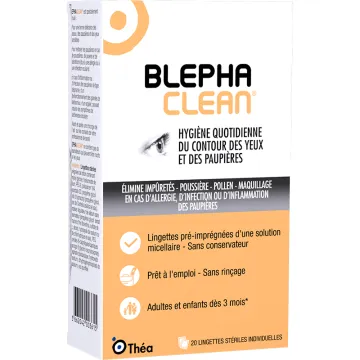
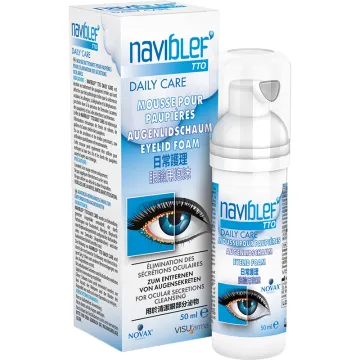
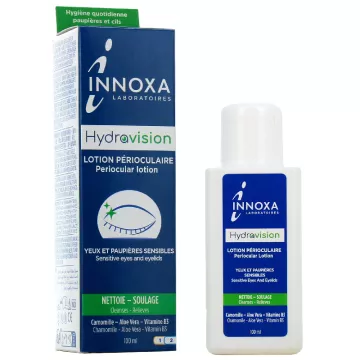
Daily eyelid hygiene is the cornerstone of treatment for chronic blepharitis and should be maintained even during periods of remission. The optimal sequence: a warm, moist compress (42–45 °C, 5–10 minutes) to soften secretions, gentle massage of the free eyelid margins to express the Meibomian glands, followed by cleansing with an ophthalmic-grade product. For sensitive eyelids, sterile, preservative-free eyelid wipes are preferable. In cases of associated dry eye, single-dose artificial tears relieve dry eyes and improve overall comfort.
Omega-3 DHA/EPA supplementation (1 to 3 g/day) improves the lipid composition of Meibomian gland secretions—more fluid eyelid sebum reduces stagnation and blockage of the glands. A clinical study (Oleñik et al., 2014) shows a significant reduction in symptoms of posterior blepharitis after 3 months. A healthy eyelid microbiome—dominated by the commensal S. epidermidis and Corynebacterium—provides protection against pathogens. Its balance is disrupted by harsh antiseptics, makeup that is not removed, and preservatives in artificial tears. Gentle cleansing that preserves this microbiome is therefore preferable to overly aggressive hygiene.