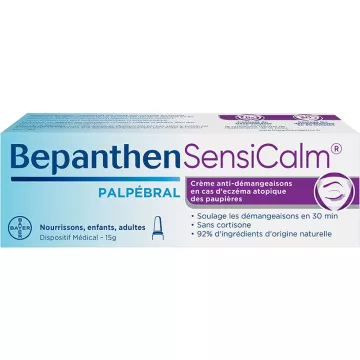
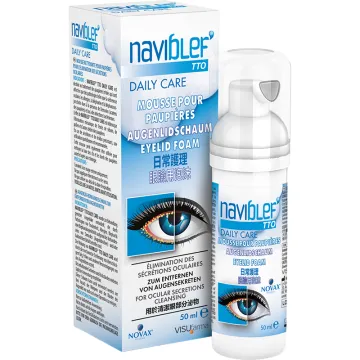
Sensitive eyelids often mask a specific underlying condition. Allergic contact dermatitis of the eyelids (ACDE) is the most common cause—cosmetics (fragrances, preservatives), metals (nickel in tweezers), and false eyelash adhesives (cyanoacrylate) are the main allergens. Atopic eyelid eczema is characterized by bilateral distribution, post-inflammatory hyperpigmentation, and a history of atopy. Ocular and eyelid rosacea (inflammation of the Meibomian glands) presents with redness, telangiectasias along the eyelid margin, and a burning sensation. Eyelid demodicosis (Demodex folliculorum) is characterized by scales at the base of the eyelashes and nighttime itching. Each diagnosis requires specific management.
Quercetin (200 to 500 mg/day) is the best-documented natural active ingredient for stabilizing mast cells in allergic reactions of the eyelids. It inhibits mast cell phosphodiesterase (increasing cAMP, which blocks degranulation) and the release of histamine, tryptase, and leukotriene C4 from conjunctival and eyelid mast cells—thereby reducing itching and allergic eyelid edema. Four to eight weeks of supplementation are required for maximum effect. Oral administration is preferable to topical application for systemic effects.
Omega-3s (EPA/DHA, 1 to 3 g/day) reduce the production of pro-inflammatory leukotriene B4 and prostaglandin E2 in eyelid tissues. DHA improves the quality of the tear film (lipid composition of the Meibomian layer), reducing dry eye, which exacerbates eyelid irritation. Clinical studies confirm a reduction in symptoms of blepharitis and ocular rosacea after 3 months of supplementation. For dry eyes associated with sensitive eyelids, the combination of omega-3 and artificial tears is the standard of care.
Ocular rosacea affects 50 to 60% of patients with cutaneous rosacea and remains underdiagnosed. It causes chronic meibomitis, erythematous eyelid margins, and a foreign body sensation. Treatment relies on daily eyelid hygiene (sterile wipes), warm compresses (40 °C, 10 minutes) to liquefy blocked secretions from the Meibomian glands, and oral omega-3 supplements. Ultra-light, fragrance-free skincare products are the only ones tolerated during the active inflammatory phase. Eyes chronically irritated by ocular rosacea should be managed by an ophthalmologist.
Sensitive eyelids react to seasonal changes. In winter: cold and wind compromise the eyelid’s lipid barrier—increase the use of emollient skincare (ceramide balm + D-panthenol, fragrance-free) and moisturize the inner eyelids. In spring and summer: Pollen and UV rays are the main triggers—take oral antihistamines if you have seasonal allergies, and wear wraparound sunglasses. All year round: Avoid benzalkonium chloride in all products that come into contact with the eyes; opt for preservative-free formulas or sterile single-dose products.
Three criteria guide the selection of products for reactive eyelids: physiological pH (5.5–6.5), free of fragrance and harsh preservatives (benzalkonium, parabens, MIT), and ophthalmologically tested formulas. Specialized product lines (Uriage Tolederm, Jonzac Réactive, La Roche-Posay Toleriane) meet these criteria. For makeup, only hypoallergenic, fragrance-free formulas that are ophthalmologically certified are suitable for sensitive eyelids—always test them on the inner side of your wrist before using them around the eyes for the first time. If there is any doubt about the cause of the sensitivity, an allergy assessment (skin patch tests) can help identify the specific allergens to avoid.