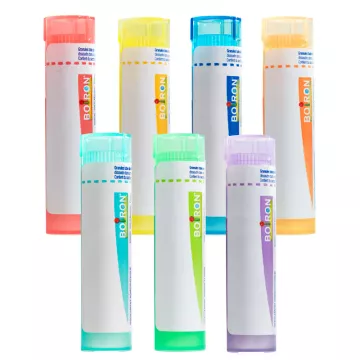
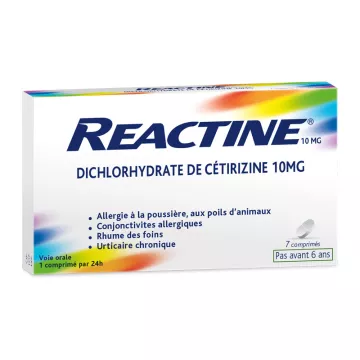
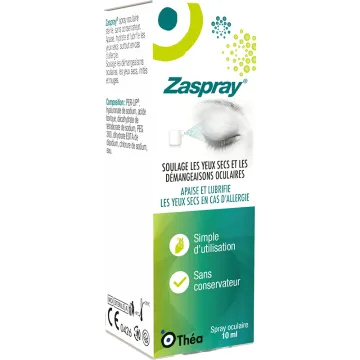
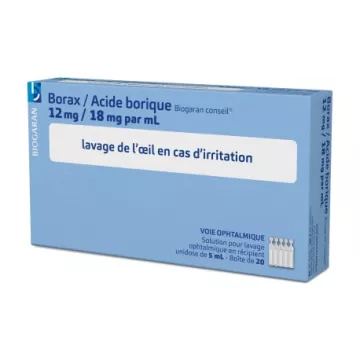
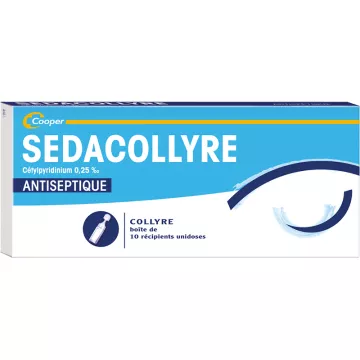
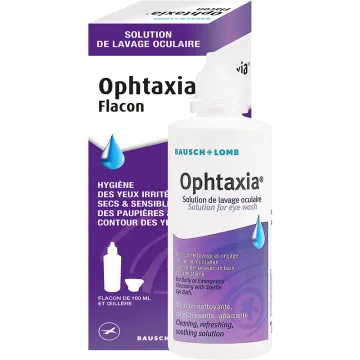
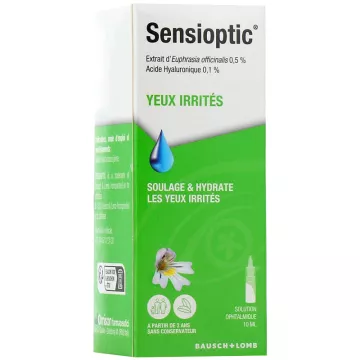
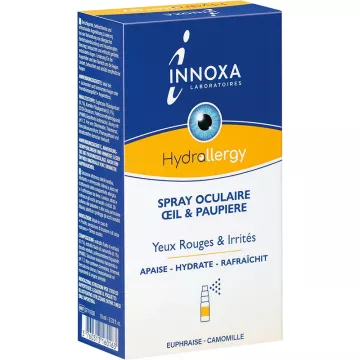
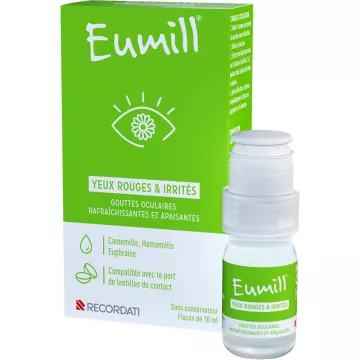
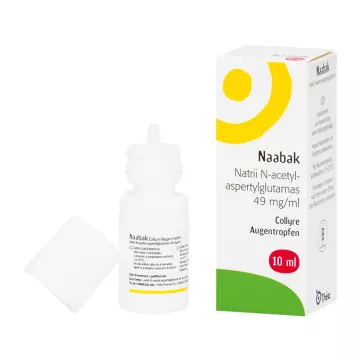
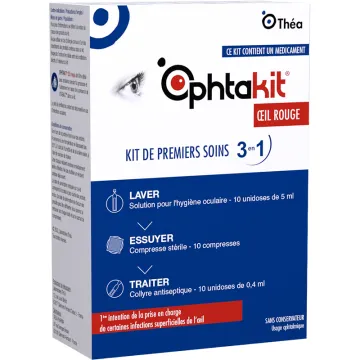
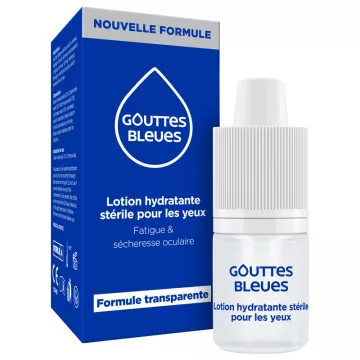
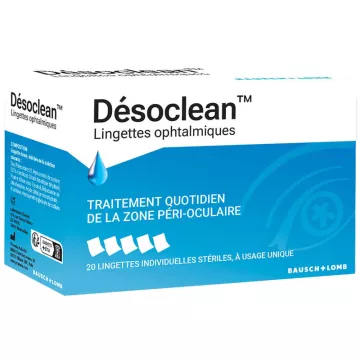
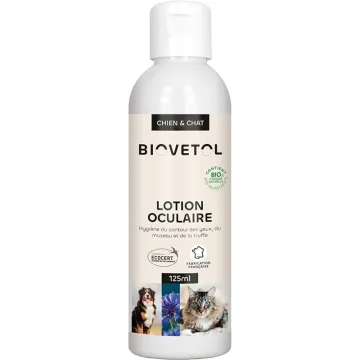
Irritated eyes refer to any condition involving redness, burning, watering, or a foreign body sensation on the conjunctiva or cornea. Four causes warrant careful distinction. Chemical irritation (chlorine, smoke, cosmetics) requires immediate and thorough eye rinsing. Allergic irritation (pollen, dust mites) causes bilateral rhinoconjunctivitis with itching and clear tearing. Mechanical irritation (foreign body, contact lens) is localized and improves after rinsing. Iatrogenic irritation caused by preservatives (BKC in multidose eye drops) is common among daily users. Confusing an allergy with an infection delays treatment—topical corticosteroids are contraindicated in cases of masked herpes infection.
Plantain (Plantago major, aqueous extract) contains aucosides (aucubin, catalpol) with mild anti-inflammatory and antihistamine properties—it reduces the degranulation of conjunctival mast cells. When used as a compress or eye drops (cooled, filtered infusion), it soothes redness caused by allergies or mechanical irritation. Manuka honey (methylglyoxal, ≥ 400 MGO) has been clinically documented to treat bacterial blepharitis and mild conjunctival irritation when applied to the eyelids (ophthalmic manuka gel)—Albietz & Lenton study (2006), confirming its topical efficacy on ocular surfaces.
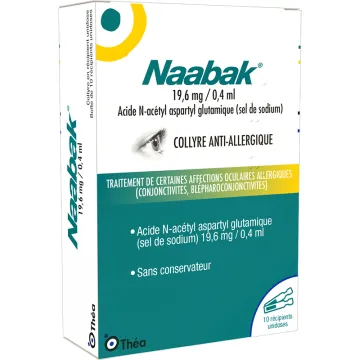
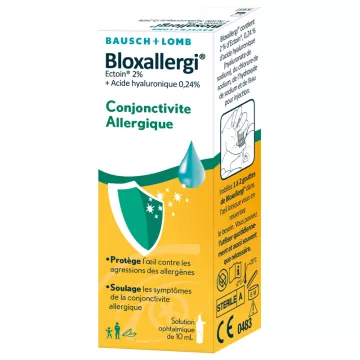
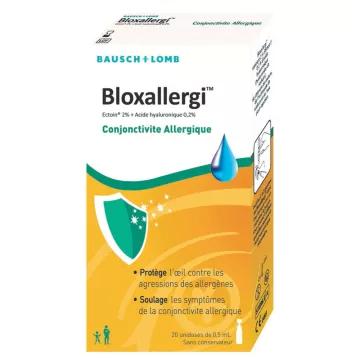
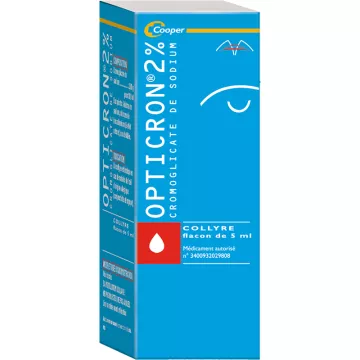
Allergic rhinoconjunctivitis affects 20 to 30% of the population in temperate countries. Seasonal allergens settle simultaneously on the conjunctiva and the nasal mucosa, which share the same lymphatic drainage, triggering an IgE-mediated reaction with the release of histamine. Seasonal eyeallergies respond to oral antihistamines and antiallergic eye drops (ketotifen, cromoglycate)—topical corticosteroids are reserved for severe cases and require a prescription.
Echinacea (Echinacea purpurea, standardized extract) stimulates macrophages and NK cells in the conjunctival mucosa via TLR4 receptors. Its immunostimulatory action enhances the innate immune response against viral (adenovirus) and bacterial pathogens. When taken as a preventive supplement, it reduces the frequency and duration of episodes of infectious rhinoconjunctivitis, according to the Cochrane meta-analysis (2015)—with no effect on allergic forms.
A cold compress (5–10 minutes) is recommended for allergic and chemical irritation—the cold reduces vasodilation and mast cell degranulation. A warm compress (40 °C, 10 minutes) is recommended for blepharitis and MGD—heat liquefies blocked meibomian secretions. In cases of infectious conjunctivitis, both are contraindicated without prior cleansing. When combined with allergic or infectious rhinitis, the approach of applying a cold compress to the eyes plus nasal irrigation with saline solution is the most comprehensive treatment.
Certain symptoms require urgent ophthalmological consultation (within 24 hours) and should never be self-treated. Any loss of vision accompanied by eye redness, any severe photophobia (a sign of keratitis or uveitis), any direct trauma (penetrating foreign body, severe chemical burn), any unilateral symptom with profuse purulent discharge (severe bacterial or gonococcal conjunctivitis), and any recurrent episode despite initial treatment warrant an ophthalmological examination. Prolonged self-medication with vasoconstrictors (naphazoline) creates a rebound effect and may mask a serious underlying condition.