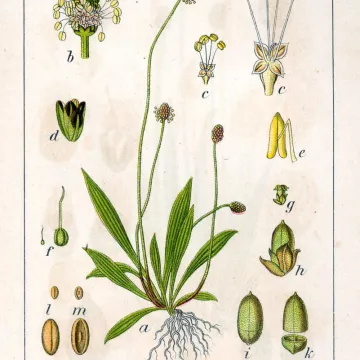
Ribwort plantain (Plantago lanceolata) is a perennial herb whose leaves have been used since ancient times for their soothing and anti-inflammatory properties on mucous membranes. Its main active ingredients are:
A dry, irritating cough is the classic indication for plantain—its mucilages coat the irritated tracheobronchial mucous membranes and reduce the cough reflex.
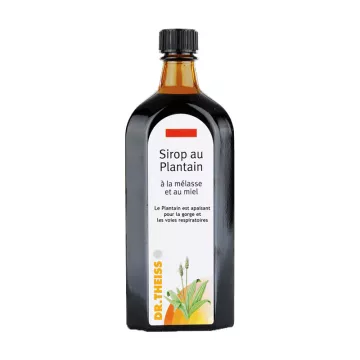
Plantain is classified as a plant that soothes the upper respiratory tract by Commission E (1985) and the EMA (2011). It is particularly indicated for sore throats with mucosal inflammation, mild pharyngitis, and post-viral dry, irritating coughs. Plantain syrup is a soothing remedy recommended for dry, irritating coughs in both children and adults. The Standardized Physiological Extract (EPS) of Lancet-Leaf Plantain is the most concentrated dosage form with the highest active ingredient content. Thyme is the herb most commonly combined with plantain in cough remedies—their combination is synergistic: thyme acts as an expectorant and antiseptic (thymol, carvacrol), while plantain soothes and reduces inflammation.
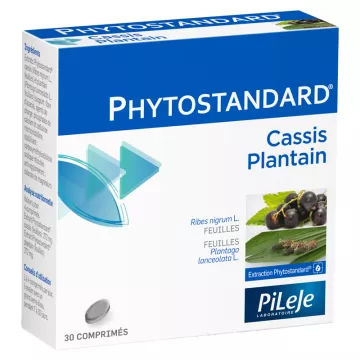
The aucubin in plantain exerts a mild anti-allergic and soothing effect on the nasal and conjunctival mucous membranes—making it a valuable supplement for seasonal allergies. The black currant + plantain combination (standardized extracts in tablet form) is the most comprehensive formula for allergies and chronic inflammation of the mucous membranes—black currant (polyphenols) provides a complementary anti-inflammatory and antihistamine effect. Note: Ribwort plantain is itself an allergen for some patients sensitive to Plantaginaceae pollen—an allergy test is recommended before starting any treatment in a patient allergic to pollen.
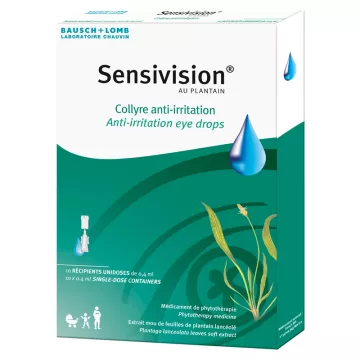
Plantain has soothing and mildly anti-inflammatory properties for the ocular mucous membranes—which are harnessed in eye drops made from aqueous plantain extract for red, irritated, and allergic eyes (dust, pollution, eye strain, mild allergic conjunctivitis). These eye drops do not contain vasoconstrictors—they do not have an immediate “whitening” effect but gradually reduce irritation through their mucilaginous action. They can be used several times a day without the risk of vasomotor dependence. Elderberry (Sambucus nigra) is a complementary herb for the respiratory tract and ENT mucous membranes during the winter months.
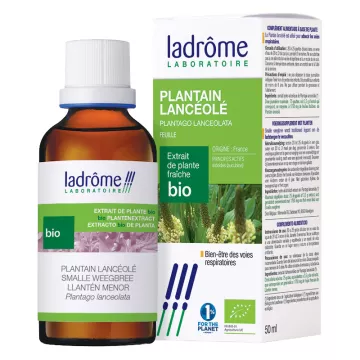
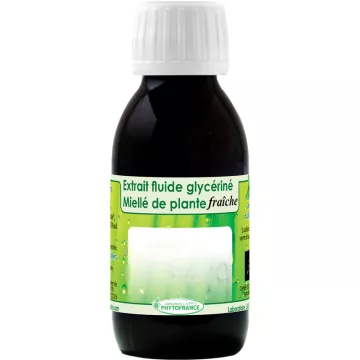
Plantain is available in many forms. Herbal tea (1 tablespoon of leaves per 250 ml of simmering water, steeped for 10 minutes, 3 cups per day sweetened with honey) is the most accessible traditional form. The EFG (glycerine fluid extract, alcohol-free) is suitable for children and people sensitive to alcohol. The EPP (fresh plant extract) preserves the plant’s volatile active compounds and enzymes. Capsules are convenient for long-term treatment. Seasonal allergic rhinitis may benefit from a preventive treatment started 4 to 6 weeks before the pollen season.
Plantain is generally well tolerated at recommended doses. Its main contraindications and precautions are: known allergy to the Plantaginaceae family or to plantain pollen (always check before use in patients with pollen allergies); pregnancy and breastfeeding (as a precaution, due to insufficient data on aucubin); severe airway obstruction (plantain is an expectorant but not a bronchodilator—it does not replace medical treatment for asthma or COPD). The recommended treatment duration for respiratory conditions is 1 to 4 weeks—beyond that, consultation with a healthcare professional is advised. Plantain eye drops should not be used while wearing soft contact lenses without first removing them. If there is any doubt about the cause of a persistent cough, a medical consultation is essential.