What is hay fever, and how can you recognize it?
Hay fever —a common term for seasonal allergic rhinitis—is an IgE-mediated immune response to airborne pollen. It affects 20 to 30% of the French population and is the most common allergic condition. The pollens responsible vary by season: natural allergy remedies and appropriate care products are available in the store. For a complete explanation of the allergic mechanism and immunotherapy, see allergic rhinitis.
- French Pollen Calendar: cypress and alder (January–March) — birch and ash (March–April — very potent allergens) — grasses (May–July — the main cause of hay fever) — plantain and stinging nettles (May–August) — ragweed (August–September — invasive in the Southeast, highly allergenic) — mold spores can prolong symptoms into the fall
- Characteristic symptoms: sneezing fits — clear nasal discharge — bilateral nasal congestion — intense nasal, intense itchiness of the eyes and soft palate — watery eyes and allergic conjunctivitis (red, swollen eyes) — never accompanied by fever — seasonal onset and remission correlated with the pollen calendar
- Difference between hay fever and the common cold: hay fever (seasonal, no fever, intense itching, sneezing in bursts, irritated eyes, duration correlated with pollen exposure) — viral cold (sudden onset, possible mild fever, runny nose progresses to mucopurulent discharge, resolves within 7 to 10 days regardless of the season)
- Weather Impact: Dry, windy days (pollen dispersed at higher altitudes—high concentrations) — rain (cleans the air but breaks pollen grains down into ultrafine particles that penetrate even more deeply) — hot, sunny weather after rain (peak dispersion) — check the RNSA (National Aerobiological Monitoring Network) for daily pollen levels
How can hay fever be effectively managed and treated?
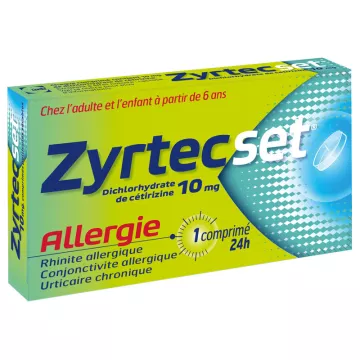
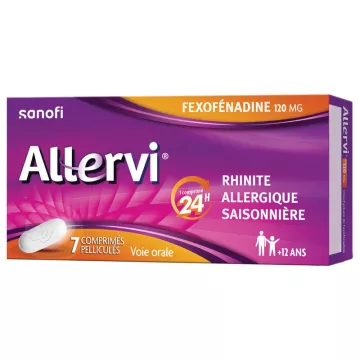
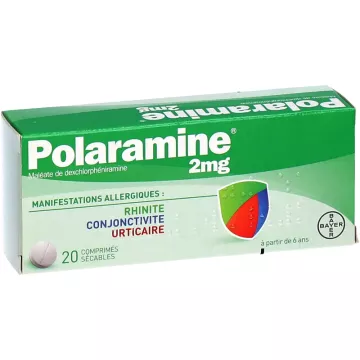
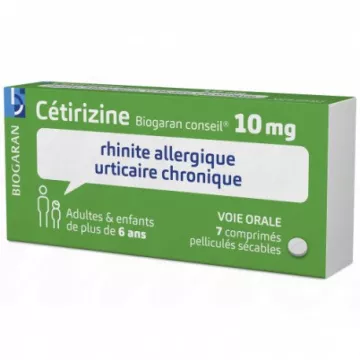
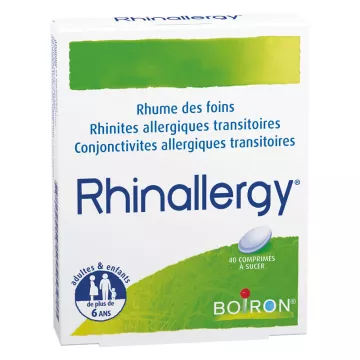
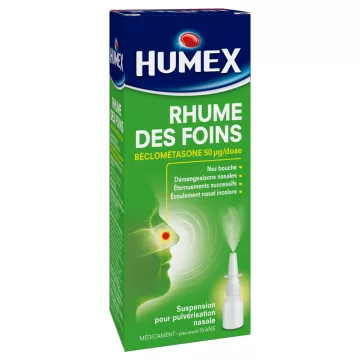
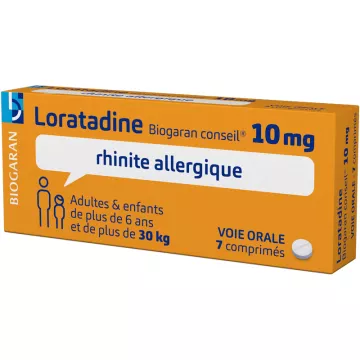
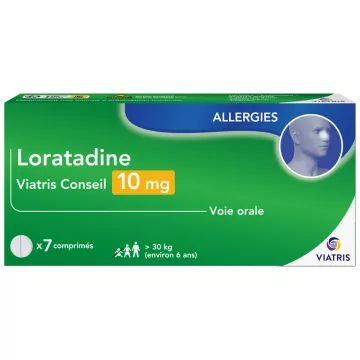
Managing hay fever involves a combination of allergen avoidance (reducing exposure), symptomatic medications, and, in severe cases, immunotherapy. Second-generation antihistamines (cetirizine, loratadine, bilastine) are the first-line treatment for mild to moderate symptoms—they act quickly on sneezing and itching but are less effective against congestion. Nasal corticosteroids (fluticasone, mometasone) are more effective against all symptoms, including congestion—maximum effectiveness is achieved after 5 to 7 days of regular use, which should begin before the pollen season.
- Practical allergen avoidance: RNSA daily bulletins—keep windows closed during peak pollen hours (10 a.m.–1 p.m.)—shower and wash your hair upon returning home (pollen accumulates on hair and clothing)—wear wraparound sunglasses outdoors (reduce eye contact with pollen) — HEPA-filter air purifier in the bedroom — do not hang laundry outside during pollen season
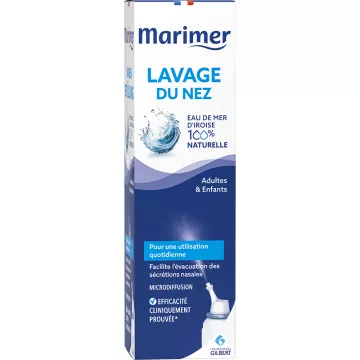
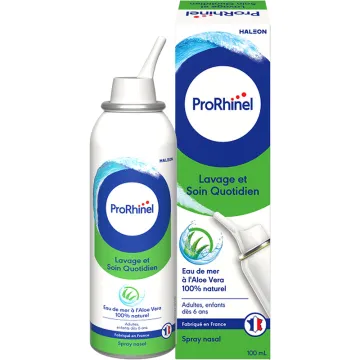
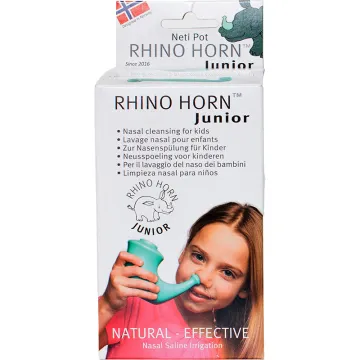
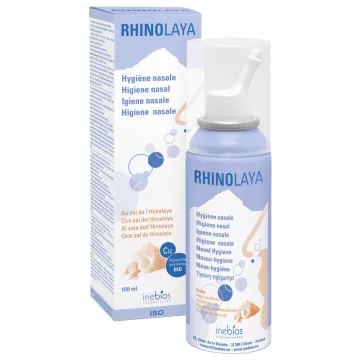
- Complementary natural remedies: raw local honey (gradual exposure to local pollens—1 teaspoon per day at the start of the season—scientific evidence remains limited but it is well tolerated) — nasal rinsing with saline solution (mechanically removes pollen from the mucous membranes) — black cumin (Nigella sativa — documented natural antihistamine properties) — vitamin C (mild natural antihistamine — reduces histamine release)
- Associated allergic conjunctivitis: eye wash with saline solution — antihistamine eye drops (azelastine, ketotifen) — wraparound glasses — do not rub your eyes (worsens inflammation and increases the risk of secondary infection) — see conjunctivitis
- Sleep and hay fever: Nighttime congestion disrupts breathing and sleep — nasal corticosteroids in the evening before bedtime — semi-sitting position or elevated pillow — dust mite-proof covers (dust mites are often co-sensitizing) — bedroom humidity < 50% — no indoor plants during pollen season (they accumulate pollen)
Preventing hay fever and reducing seasonal recurrences
Prevention relies on anticipation—starting medication 2 weeks before the identified pollen season significantly improves symptom control. Allergen immunotherapy (desensitization) is the only approach that permanently modifies the immune response—administered subcutaneously or sublingually over 3 to 5 years, it reduces symptom severity and prevents progression to asthma.
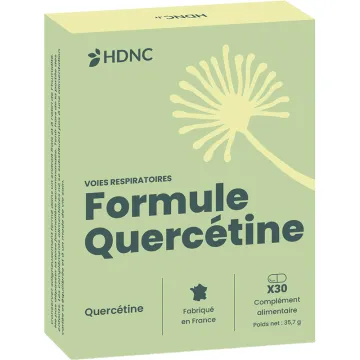
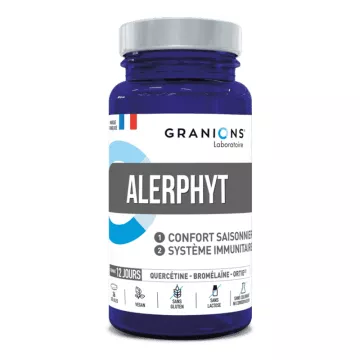
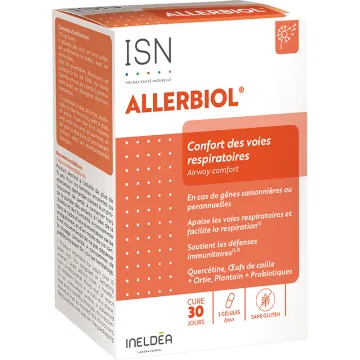
- Anti-inflammatory diet: omega-3 (fatty fish—reduce the production of pro-inflammatory Th2 mediators)—probiotics (modulation of the Th1/Th2 — immune rebalancing) — quercetin (apples, onions, capers — stabilizes mast cells and reduces histamine release) — avoid foods that cause cross-reactions with pollens (oral syndrome — birch/apple/carrot/hazelnut, grasses/peach/tomato)
- Atopic predisposition and prevention: family history of atopy (one allergic parent = 25–30% risk, two allergic parents = 50–60% risk) — avoid exposing children to secondhand smoke at an early age — extended breastfeeding — balanced exposure to environmental allergens in early childhood (hygiene hypothesis)
- Hay fever and asthma: 20–40% of people with hay fever develop allergic asthma — treating allergic rhinitis reduces the risk — the “single airway” principle — symptoms such as a dry nighttime cough, shortness of breath on exertion, or wheezing should prompt a pulmonological evaluation