Honey is a complex product made by bees from flower nectar. Its composition includes:
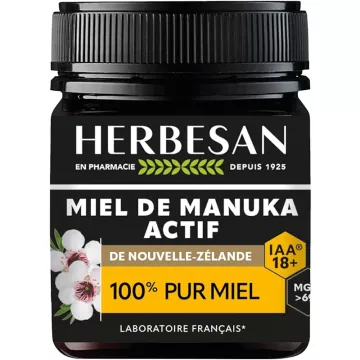
Manuka honey (Leptospermum scoparium, New Zealand) also contains methylglyoxal (MGO)—a highly stable, non-peroxidase antibacterial compound that accounts for its superior activity.
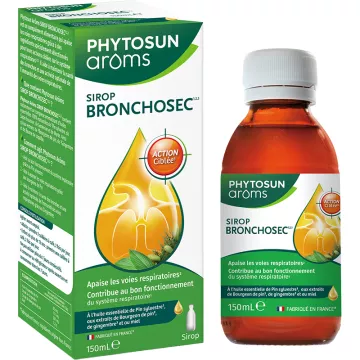
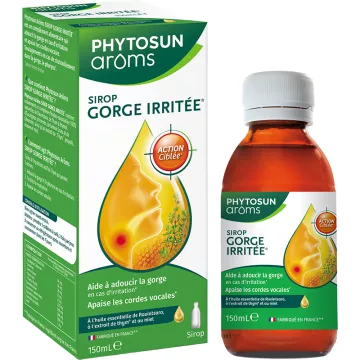
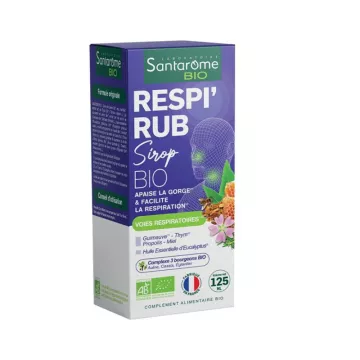
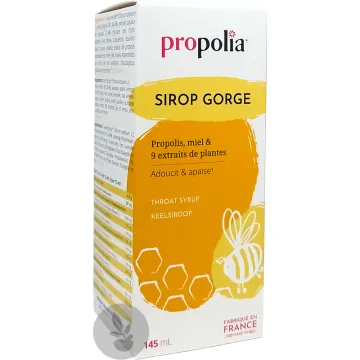
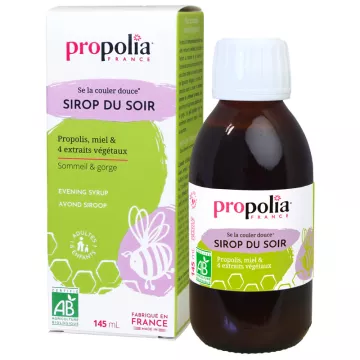
Honey is one of the best-documented remedies for sore throats and coughs in both children and adults. A meta-analysis (Cochrane, 2018) on acute cough in children shows that honey is superior to placebo and diphenhydramine in reducing the severity and duration of nighttime cough. It works through multiple mechanisms: a soothing and coating effect on the pharyngeal mucosa (viscosity), mild antibacterial action (H₂O₂), anti-inflammatory properties (polyphenols), and stimulation of protective mucus secretion. The effective dosage is 1 to 2 teaspoons (10–20 g) before bedtime, either on its own or diluted in warm herbal tea. Honey is contraindicated for infants under 12 months of age due to the risk of infant botulism (Clostridium botulinum spores).
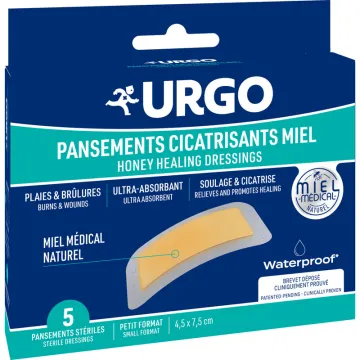
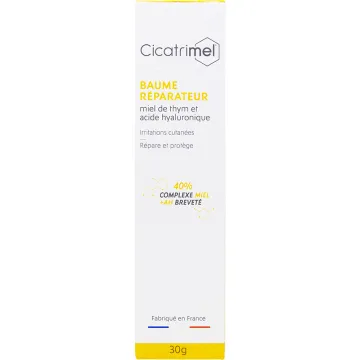
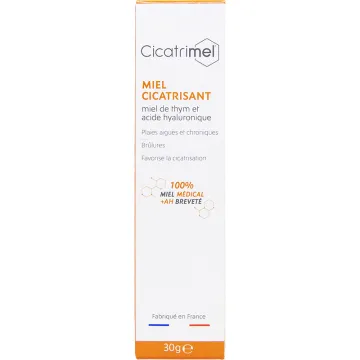
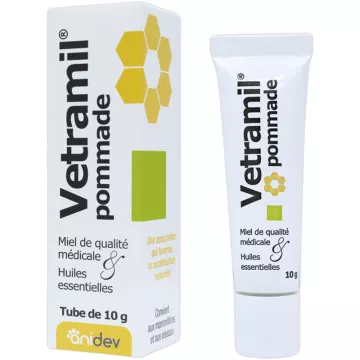
The use of honey as a wound-healing agent is one of the most scientifically validated medical applications. Medical honey dressings (sterilized by gamma irradiation) are indicated for chronic wounds, superficial burns, and infected wounds resistant to antibiotics. Honey’s wound-healing action is based on: its acidity (pH inhibits bacterial growth), its osmotic effect (reduction of exudate and edema), the production of H₂O₂ (antibacterial), its high amino acid content (which nourishes fibroblasts), and its anti-inflammatory properties. Honey-based wound dressings are available over the counter for superficial wounds and first-degree burns. For deep or infected wounds, a medical consultation is essential. Wound healing fully benefits from these multiple properties of medical-grade honey.
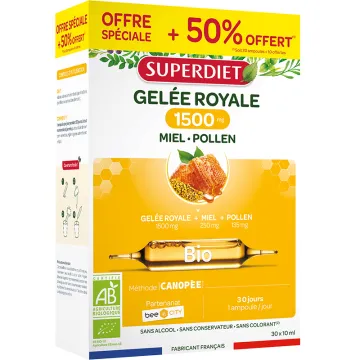
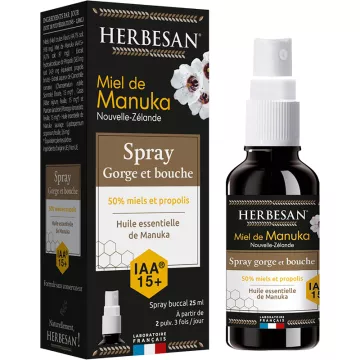
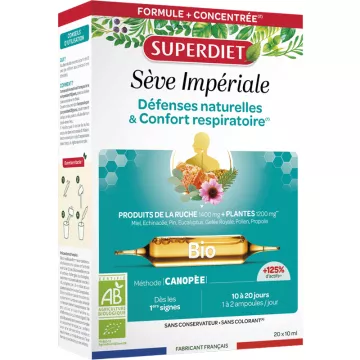
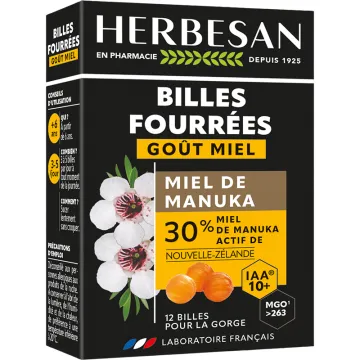
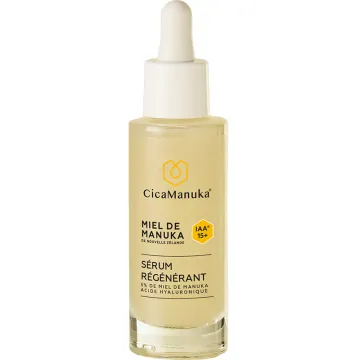
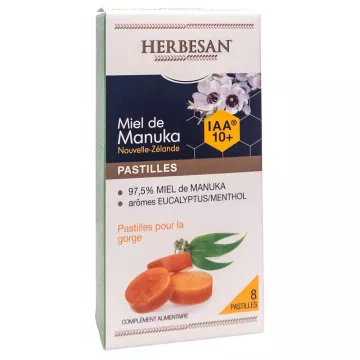
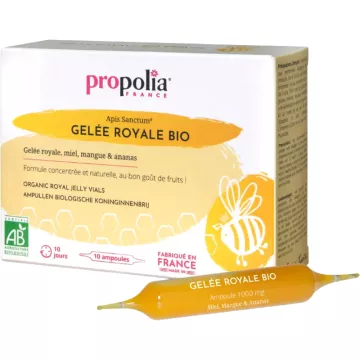
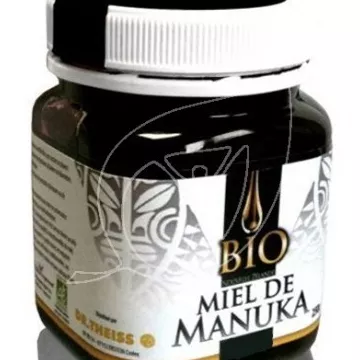
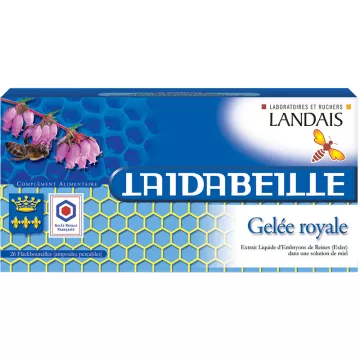
Manuka honey is certified based on its MGO (methylglyoxal) or UMF rating (IAA 10+ ≈ MGO 263+, IAA 15+ ≈ MGO 514+, IAA 20+ ≈ MGO 829+). Its antibacterial activity remains stable when heated and in a physiological environment—unlike the H₂O₂ found in ordinary honeys, which is inactivated by tissue catalase. The IAA 15+ Manuka honey throat spray is a particularly effective oral and pharyngeal treatment for infectious sore throats. Royal jelly (rich in 10-HDA) is often combined with honey in “whole hive” formulations to provide immunostimulatory and tonifying synergies.
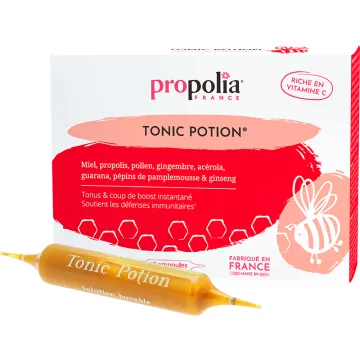
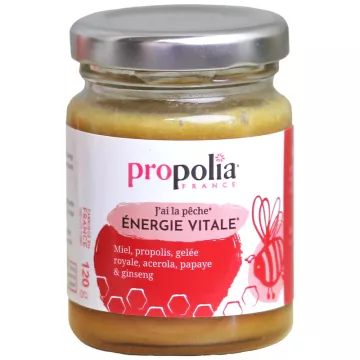
The polyphenols in honey (quercetin, kaempferol, caffeic acid) stimulate NK cells and macrophages and exert a mild antiviral effect. Clinical studies have shown that regular consumption of honey reduces the duration and severity of winter respiratory infections.Acerola (Malpighia emarginata, a natural source of bioavailable vitamin C) is frequently combined with honey in immune-boosting formulas—vitamin C enhances the antioxidant action of polyphenols and stimulates the production of leukocytes. Thyme, eucalyptus, and fir honey are the monofloral varieties most widely recognized for their specific respiratory benefits.
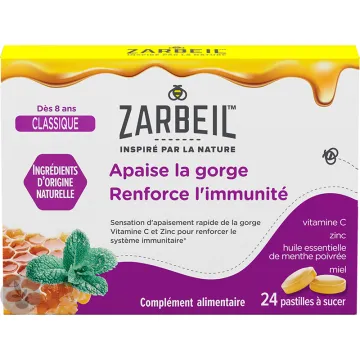
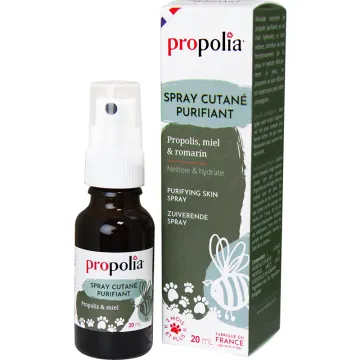
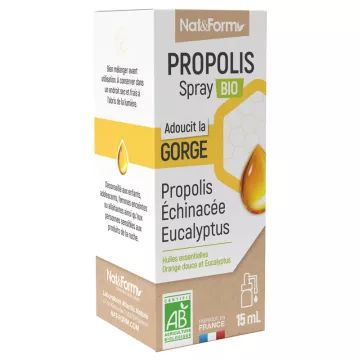
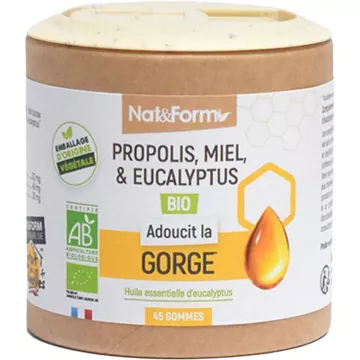
Honey should always be consumed at a temperature below 40°C—heat denatures its enzymes (glucose oxidase, diastase) and breaks down some of its polyphenols. Dissolving it in a warm (not boiling) herbal tea, mixing it into yogurt, or eating it straight from a spoon preserves all its properties. For therapeutic uses, concentrated forms (IAA Manuka spray, honey cough syrup, honey + propolis lozenges) allow for precise dosing and prolonged contact with the mucous membranes. When applied to the skin (face mask, lip care), pure honey or honey combined with sweet almond oil acts as an effective natural humectant and emollient—leave it on for 10–15 minutes before rinsing. The general dosage for immunostimulatory effects is 1 to 2 tablespoons per day (20–40 g) as a winter regimen. A dry nighttime cough responds well to 1 teaspoon of pure honey (Manuka or thyme) before bedtime.