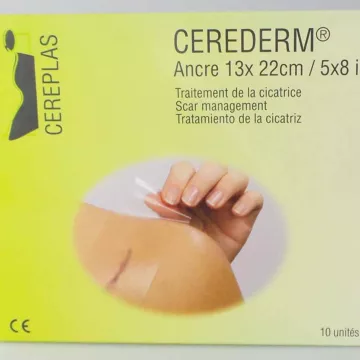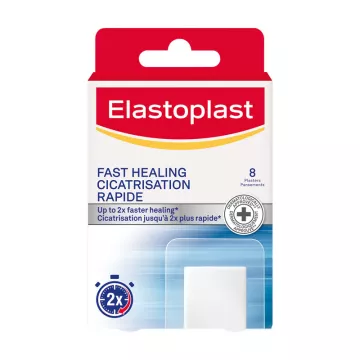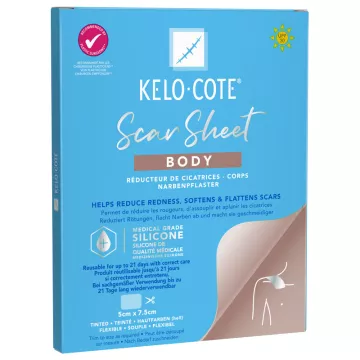

Moist wound healing is the current medical standard—it reduces healing time by 30 to 50% compared to open-air healing. Its benefits include:
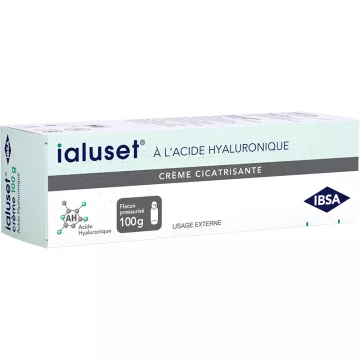
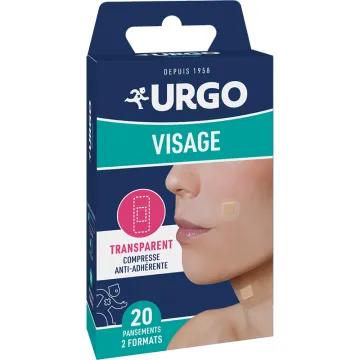
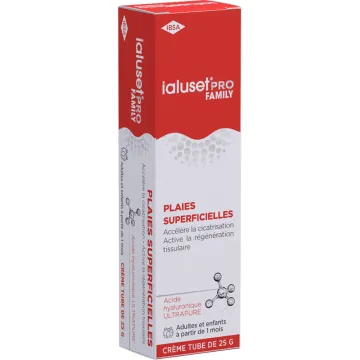
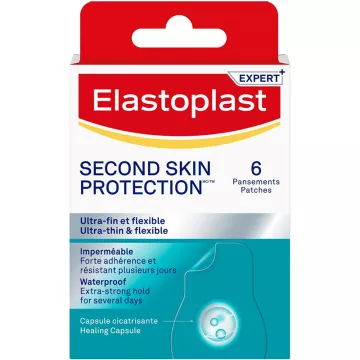
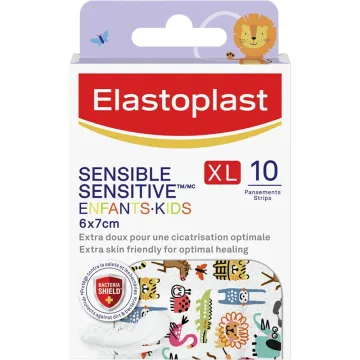
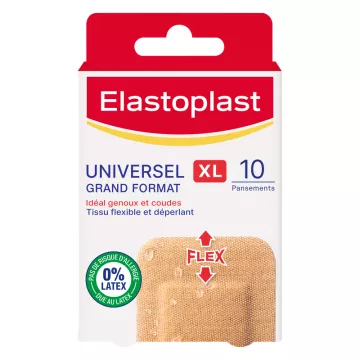
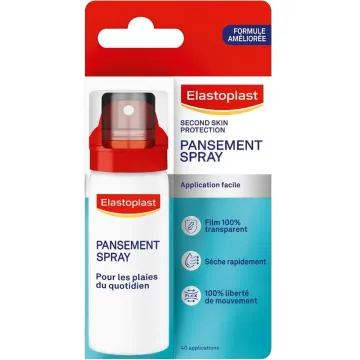
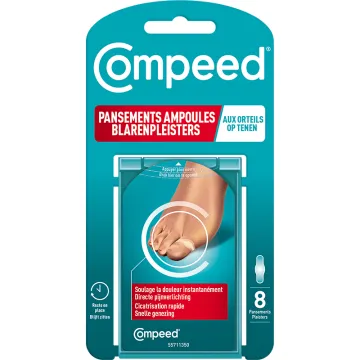
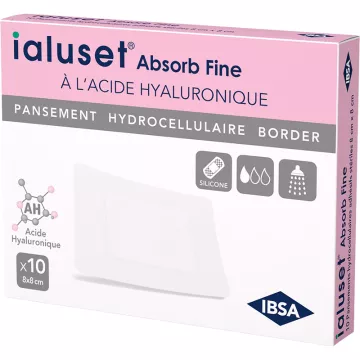
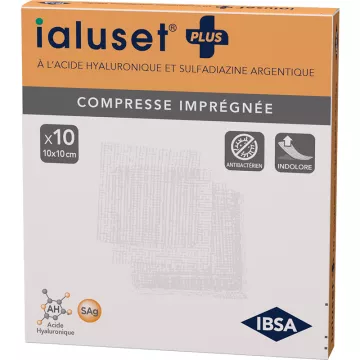
Ialuset (topical hyaluronic acid) maintains an optimal moist microenvironment and stimulates fibroblast proliferation. Hydrocolloid dressings (Elastoplast Second Skin) create a semi-occlusive chamber that retains moisture and absorbs exudate—ideal for blisters, abrasions, and postoperative wounds. To treat skin lesions on the face, Urgo clear bandages are discreet and effective.
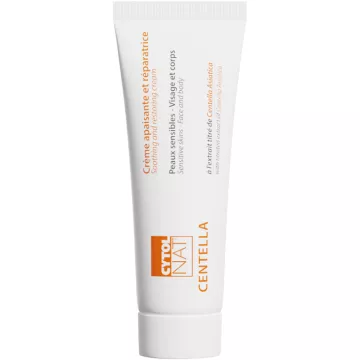
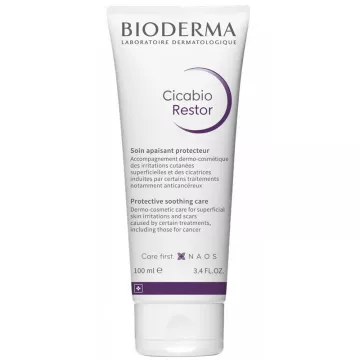
Centella asiatica (gotu kola) is the most well-documented medicinal plant for stimulating skin healing. Its madecassoside and asiaticoside directly stimulate fibroblast proliferation and the synthesis of types I and III collagen—accelerating the proliferation phase. Cytolnat Centella Cream is indicated for superficial healing wounds, irritated atopic skin, and recent scars in the maturation phase. Centella is also documented for the prevention of stretch marks —it strengthens the resilience of dermal connective tissue during periods of rapid growth (pregnancy, adolescence). The combination of Centella, hyaluronic acid, and vitamin C constitutes the most comprehensive healing trio for accelerated skin regeneration.
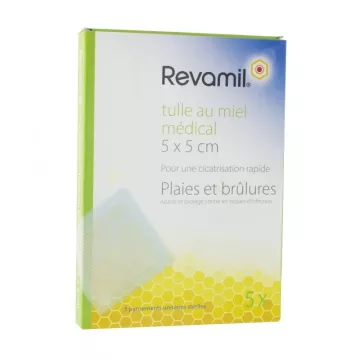
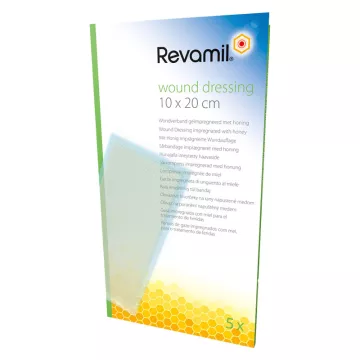
Revamil Wound Dressing compresses (sterilized medical-grade honey, 5x5 cm) are dressings impregnated with medical-grade honey—recommended for chronic wounds, granulating wounds, and post-surgical wounds that are slow to heal. They combine osmotic action (drainage of exudate) with broad-spectrum antibacterial activity against bacterial biofilms. These dressings are applied directly to the clean wound (change every 24 to 48 hours) and covered with an absorbent secondary dressing. They are particularly indicated for radiation dermatitis —skin burns caused by radiation therapy, the healing of which is often delayed by the local destruction of fibroblasts.
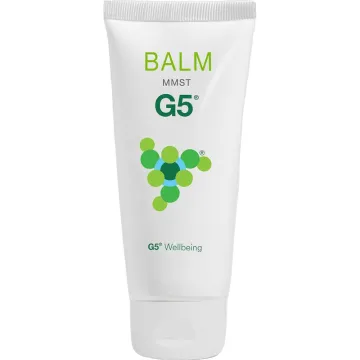
G5 MSM Balm (methylsulfonylmethane, a bioavailable organic sulfur) is used topically for skin healing—sulfur is an essential structural component of the disulfide bonds in keratin and collagen. When applied topically to a recent scar, MSM improves the penetration of active ingredients, reduces local inflammation, and provides the sulfur precursors necessary for the synthesis of the extracellular matrix (2 to 3 times a day). For stretch marks and atrophic scars, a 3-month treatment regimen combining MSM, Centella asiatica, and hyaluronic acid represents a well-documented multimodal approach.
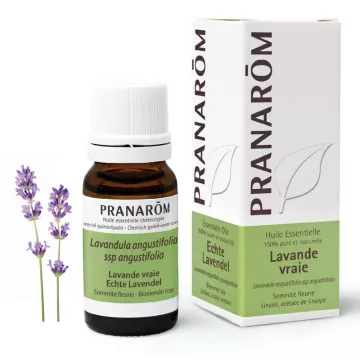
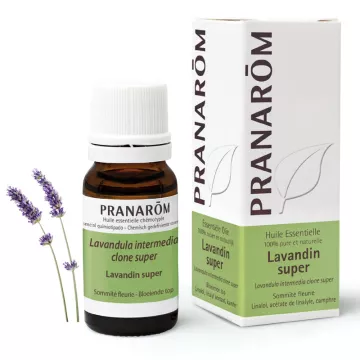
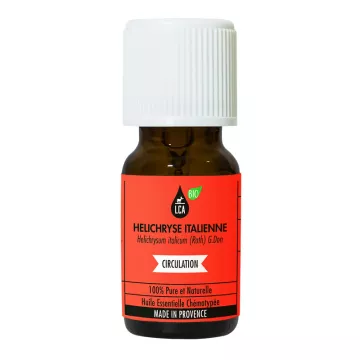
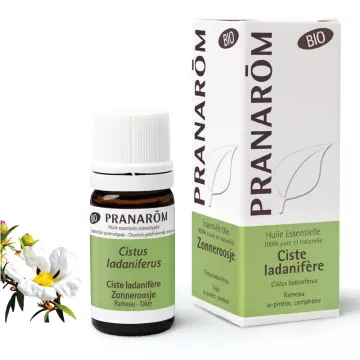
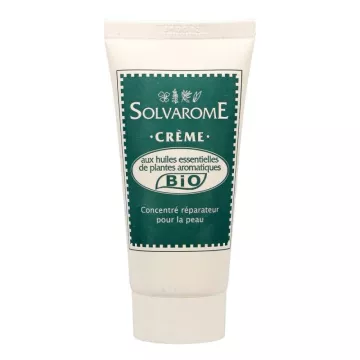
True lavender (Pranarom) is the go-to versatile healing essential oil—one of the few that can be used undiluted on a clean wound. Its linalool and linalyl acetate exert simultaneous anti-inflammatory, mild antibacterial, and re-epithelializing effects. Cistus ladaniferus (Pranarom Organic Essential Oil) is the most powerful hemostatic and healing essential oil—1 drop applied undiluted to a clean cut quickly stops the bleeding. Solvarome Repairing Cream with Organic Essential Oils (lavender + rockrose + helichrysum + rosemary) is a comprehensive formula for damaged skin. A gentle exfoliant (low-concentration mandelic or glycolic acid) applied 1 to 2 times a week to a stabilized scar improves skin texture and enhances the penetration of healing active ingredients.
Certain signs require immediate medical attention: wound infection (pus, odor, extensive redness, fever), lack of wound reduction after 2 weeks of appropriate care, wounds in high-risk areas (diabetes, arteritis, venous insufficiency), second- and third-degree burns (large blisters, loss of sensation), and wounds on joint areas with loss of mobility. Chronic wounds (pressure sores, venous ulcers, diabetic ulcers) require specialized care at a wound healing center—home care alone is insufficient. The healing of scabs and lichenified patches (chronic eczema, psoriasis) is the responsibility of a dermatologist—proper healing of the compromised epidermis requires a specific strategy combining topical corticosteroids, emollients, and wound-healing agents suitable for atopic skin.