Eczema refers to pink or pale pink patches of skin that are slightly rough and finely scaly, appearing mainly on the face (cheeks, around the mouth), and sometimes on the arms or legs. In practice, the term encompasses pityriasis alba, a very common benign condition in children and adolescents, often associated with atopic skin or dry skin. The diagnosis is clinical. Cosmetic treatment aims to restore the skin barrier, deeply moisturize, and soothe any residual redness. With appropriate care, a marked improvement is generally seen within 4 to 8 weeks.
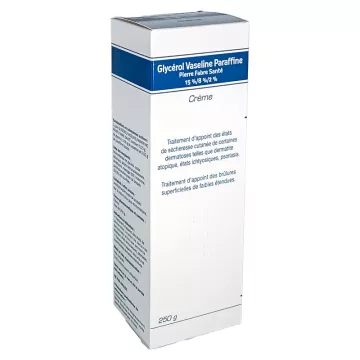
Rich emollients form the basis of cosmetic treatment. Four classes of active ingredients address the main indications:
Leading brands: Avène Cold-Cream, La Roche-Posay Lipikar, Bioderma Atoderm, Avène Xeracalm AD, La Roche-Posay Cicaplast Baume B5, Dexeryl, Cicabiafine. Apply 1 to 2 times a day to slightly damp skin after bathing.
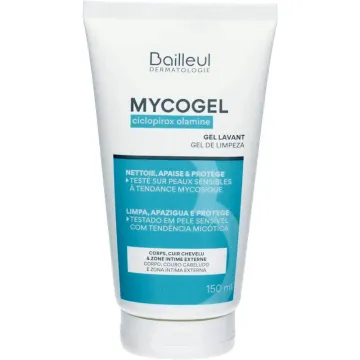
Cleansing should never strip the skin, which is already fragile. Opt for soap-free syndets (synthetic detergents) with a pH close to 5.5, or ultra-moisturizing soaps enriched with nourishing agents. Cleansing oils (Lipikar Cleansing Oil, Atoderm Shower Oil, Trixera Selectiose) are particularly suitable for atopic skin with associated scaly patches. Avoid at all costs: traditional alkaline Marseille soaps on the face, commercially available scented shower gels, very hot water (40°C maximum), and prolonged baths (5 to 10 minutes maximum). Pat dry with a soft towel; never rub. Apply the emollient within 3 minutes of drying, while the skin is still warm and slightly damp—this is when absorption is optimal.
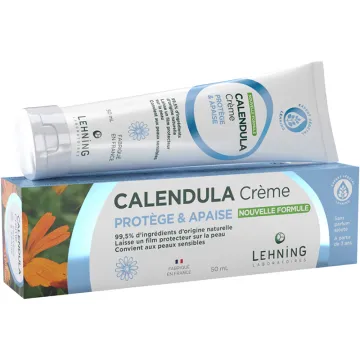
In addition to basic emollients, certain targeted active ingredients provide extra comfort:
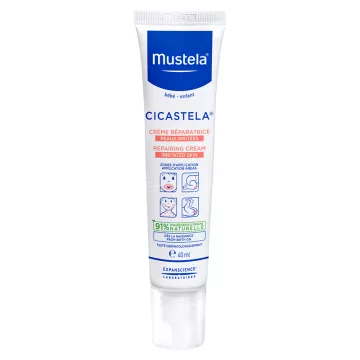
Eczema particularly affects children and adolescents. A few specific guidelines: choose products specifically formulated for young skin (Stelatopia by Mustela, Atoderm Bébé by Bioderma, Pédiatril by Avène, Cicaplast B5 by La Roche-Posay). Opt for products that are fragrance-free and free of problematic preservatives (avoid methylisothiazolinone). Apply the emollient after bathing (lukewarm water at 36–37°C, for no more than 5 minutes) while gently massaging the skin. For infants under 6 months, consult a pediatrician or dermatologist for guidance on product selection. Maintain good oral hydration and create a supportive environment (humidity 40–60%, cotton clothing, hypoallergenic laundry detergent).
Several pitfalls slow down healing: using scented or alkaline soaps; overusing cosmetics containing problematic fragrances and preservatives; taking prolonged, hot baths; rubbing the skin with towels or exfoliating gloves; exposing affected areas to dry cold or wind without protection; scratching the patches (which perpetuates the inflammatory cycle), applying undiluted essential oils to a child’s skin, and self-medicating with topical corticosteroids without medical advice. Baking soda should be avoided (its alkaline pH permanently disrupts the skin’s natural pH of approximately 5.5).
Preventing recurrences requires a consistent daily routine: apply an emollient at least once a day to the entire face and body, especially after every bath or shower. Use mineral-based sunscreen with SPF 30 to 50 year-round—UV rays can accentuate residual dyschromia (areas affected by eczema are lighter than the surrounding skin). Adjust according to the season: richer emollients in winter, lighter lotions in summer. Preserving the skin microbiome: Avoid routine use of antiseptics; opt for prebiotic skincare products. Omega-3 supplements (fish oils, walnuts, flaxseed, canola) and zinc support long-term skin health.
If there is no clear improvement after 6 to 8 weeks of appropriate treatment, a dermatological consultation can rule out early-stage atopic dermatitis, contact eczema, or a fungal skin infection and allow for adjustments to the treatment plan. A consultation is also recommended in cases of rapid spread, severe itching, signs of infection (intense redness, discharge, fever), or when the condition is affecting a child’s school or social life.