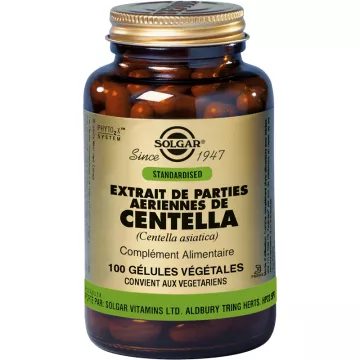
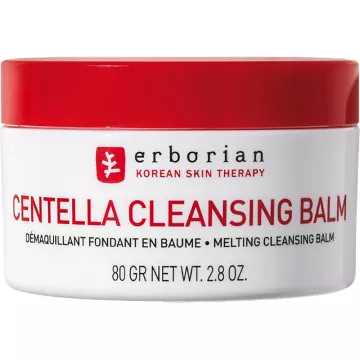
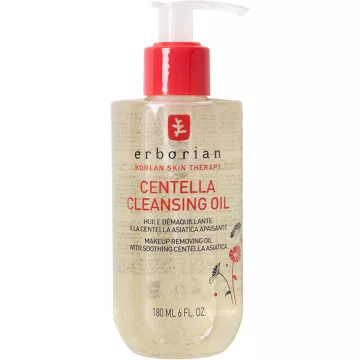
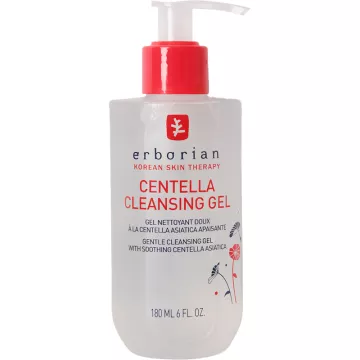
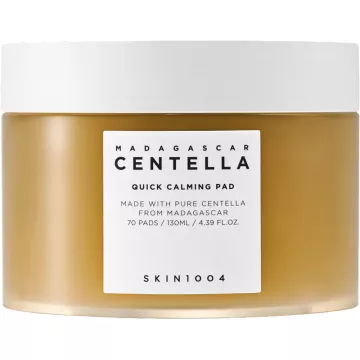
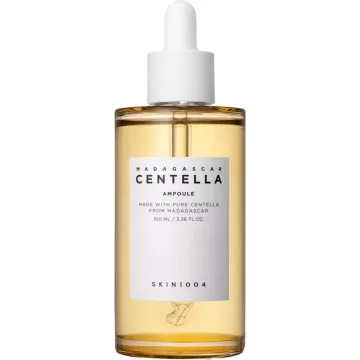
Centella asiatica, also known as gotu kola, is a herbaceous plant native to the wetlands of Asia that has been used for centuries in Ayurvedic and Chinese medicine. Its reputation in cosmetics stems from its high content of pentacyclic triterpenes: asiaticoside, madecassoside, asiatic acid, and madecassic acid (collectively known as “madecassosides”). These active ingredients make it a key component in reparative and anti-aging skincare products in modern natural cosmetics. It is particularly popular in Korean skincare routines (“cica”). The plant is used in cosmetic products (creams, serums) and as a dietary supplement to support venous health.
The EMA (European Medicines Agency) recognizes Centella asiatica in two distinct contexts. For traditional external use: symptomatic treatment of small superficial wounds, to support minor skin healing. For well-established use (for extracts standardized for triterpenes, such as TTFCA): improvement of symptoms of chronic venous insufficiency, particularly the sensation of heavy legs. These recognitions are based on long-standing traditional use and clinical data. For extensive wounds, severe burns, or significant venous disorders, a medical consultation remains essential.
Centella asiatica is a go-to active ingredient for sensitive and reactive skin:
Madecassosides help soothe and strengthen the skin barrier in fragile skin.
Centella asiatica is traditionally used to treat scars and stretch marks. When applied as a cream, gel, or reparative serum to recent skin marks, it helps maintain the skin’s comfort and suppleness as it heals. For stretch marks, regular massage application to the affected areas (abdomen, hips, thighs)—especially during pregnancy or periods of weight fluctuation—promotes skin suppleness. For scars, applying it to a wound that has already closed can help improve texture and appearance over the course of several weeks. Cosmetic use is intended for the long term (at least 8 to 12 weeks) to observe an effect on the skin’s appearance.
For relief from heavy legs, Centella asiatica is one of the most well-documented plants in the context of chronic venous insufficiency. Extracts standardized for triterpenes are used as dietary supplements to support healthy venous circulation and the tone of blood vessel walls. For people prone to varicose veins and a sensation of heaviness, it is taken as a course of treatment lasting several weeks, in addition to lifestyle and dietary measures (walking, elevating the legs, staying hydrated, and wearing medical compression stockings if recommended by a doctor). It is also used in massage oils and gels to promote healthy circulation in the lower limbs.
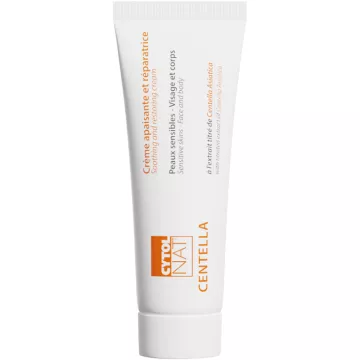
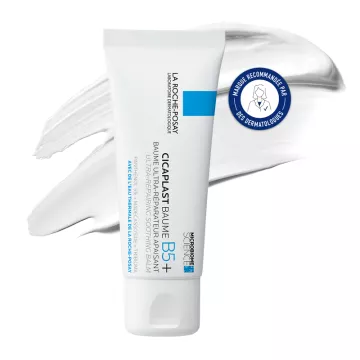
Centella asiatica is available in several dosage forms. In cosmetics, “cica” creams, gels, and serums are designed for mature skin and skin in need of repair. Repairing balms are applied topically to weakened areas. As a dietary supplement, capsules containing an extract standardized for triterpenes provide a precise dosage to support venous health. The powder andinfusion made from the dried plant are traditionally used to support body contouring and overall well-being. The mother tincture offers a concentrated, versatile form. For topical use, check the concentration of madecassosides or Centella extract in the INCI list, which ensures true cosmetic efficacy.
Several precautions warrant attention. Pregnant or breastfeeding women should avoid internal use of Centella asiatica unless advised by a healthcare professional, due to insufficient safety data (external cosmetic use on small areas is generally better tolerated, but should be confirmed with a healthcare professional for pregnancy stretch marks). Centella may interact with certain treatments, particularly hepatotoxic medications (prolonged internal use is not recommended) and treatments related to circulation. When taken internally, excessive consumption may cause minor digestive issues (nausea, bloating) and, rarely, headaches. Internal treatment regimens should be limited in duration (6 weeks maximum) with a therapeutic break. A 48-hour patch test on the inner elbow is recommended before any regular topical use, as contact allergies are possible. In cases of extensive or infected wounds, or severe venous disorders, consult a healthcare professional.
Several criteria help identify a reliable product. For dietary supplements, standardization in triterpenes (asiaticoside, madecassoside, typically standardized to 10–40%) is the key criterion ensuring a consistent dosage of active ingredients. For cosmetic products, check the position of Centella or madecassosides in the INCI list (the higher the ingredient appears, the more concentrated it is). The Bio AB or Ecocert label guarantees the absence of pesticide residues.The origin (India, Madagascar, Southeast Asia) and the extraction method must be specified. For the comfort of sensitive skin, choose cosmetic formulations free of added fragrances and allergens. Appropriate packaging (opaque bottle, airtight tube) preserves the stability of triterpenes, which are sensitive to oxidation.