What treatments are available for varicose veins?
Varicose vein treatment encompasses all approaches used to manage varicose veins, ranging from daily conservative measures to specialized medical procedures. The choice of treatment depends on the CEAP stage, the size of the varicose veins, the patient’s venous anatomy, and their medical history—it is guided by a venous Doppler ultrasound performed by a vascular specialist or phlebologist. Venous care products are available in the “heavy legs ” and “venous circulation ” sections of the store.
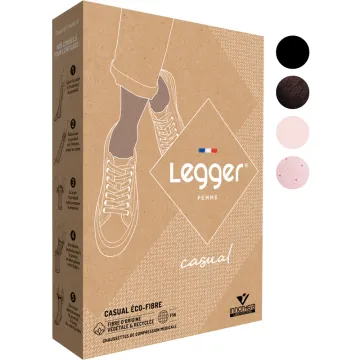
- Conservative care (daily maintenance treatment): Class 2–3 (20–36 mmHg) compression stockings and socks prescribed by a doctor—put on in the morning before getting out of bed—worn all day—walk 30 minutes per day—elevate legs while resting—see the “Venous Circulation” section for complete instructions
- Sclerotherapy: injection of a sclerosing agent (in liquid solution or foam form) into the vein — chemical closure and gradual resorption — indicated for reticular varicose veins and telangiectasias (spider veins) — multiple sessions required at 4–6-week intervals — performed in the office by an angiologist or phlebologist
- Endovenous thermal techniques: endovenous laser (ELV) or radiofrequency ablation (RFA) — thermocoagulation of the great or small saphenous vein under Doppler ultrasound guidance — performed on an outpatient basis under local tumescent anesthesia — return to work within 24–48 hours — standard treatment for large saphenous varicose veins (success rate > 90% at 5 years)
- Outpatient phlebectomy (microsurgery): removal of large varicose veins through 2-mm mini-incisions — under local anesthesia — often combined with laser or radiofrequency — no visible scarring
- Venous surgery (stripping): crossectomy (ligation of the saphenous cross) + stripping (removal of the great saphenous vein) — indicated for severe cases — under general or regional anesthesia — outpatient or short hospital stay — 2 to 4 weeks off work
Daily home care and prevention of recurrence
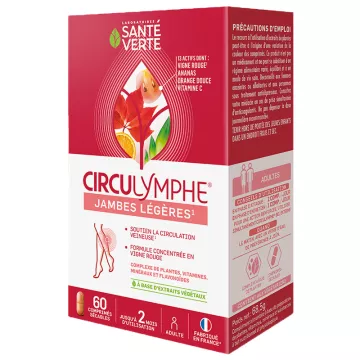
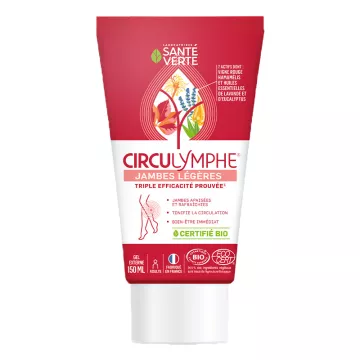
- Topical venotonic treatments: gels and creams containingescin (horse chestnut), witch hazel, or red vine — massage the legs from the bottom up in the morning and evening — provides daily relief from venous discomfort — effective against symptoms (heaviness, mild edema)
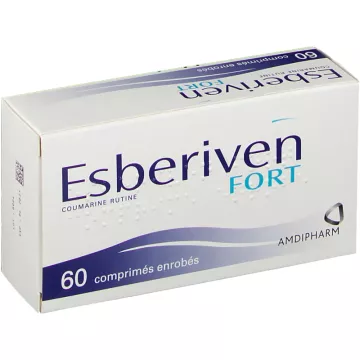
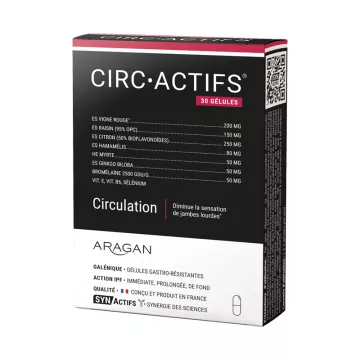
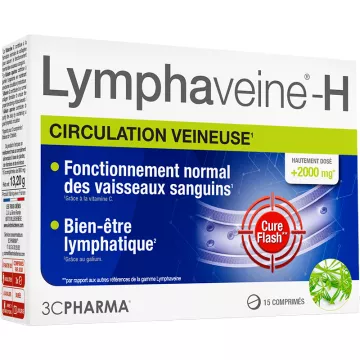
- Bioflavonoids (diosmin, hesperidin): reduce venous hypertension and capillary permeability — strong clinical evidence for chronic venous insufficiency (CVI) — 4- to 8-week course of treatment to be repeated — do not replace compression stockings or invasive treatments
- Prevention of recurrence after treatment: wear Class 2 compression stockings for at least 6 months — daily walking — avoid excessive heat (too-hot baths, prolonged sun exposure) — maintain a healthy weight — quit smoking (Tabac Info Service: 3989) — Doppler ultrasound follow-up at 1 year
- Medical Care and Reimbursement: Symptomatic varicose veins with functional impairment are covered by health insurance — purely cosmetic treatments (isolated, asymptomatic telangiectasias) are not reimbursed — consult an angiologist or phlebologist for guidance — see the section on varicose veins for a complete diagnosis
When should you see a specialist, and what follow-up is needed after varicose vein treatment?
- Consult an angiologist or phlebologist if: visible varicose veins accompanied by heavy legs, edema, or nighttime cramps — skin changes around the varicose veins (ochre dermatitis, hyperpigmentation) — large varicose veins prior to a planned pregnancy — history of phlebitis — appearance of telangiectasias after age 40 in men
- Seek emergency care (call 15 or go to the emergency room) if: sudden, painful, unilateral swelling of a limb (suspected deep vein thrombosis) — ruptured varicose vein with external bleeding (apply direct pressure immediately) — signs ofan infectedvaricose ulcer (fever, extensive redness, foul odor)
- Follow-up after treatment: Follow-up Doppler ultrasound at 1 month and then 1 year after any invasive treatment — wear Class 2 compression stockings for at least 6 months after sclerotherapy or laser treatment — avoid long-distance travel without compression stockings within 4 weeks of the procedure — annual follow-up with a vascular specialist to screen for early recurrences
- Pregnancy and varicose veins: Varicose veins that develop during pregnancy often resolve within 3 to 6 months after delivery — Treat residual varicose veins after this waiting period — Wearing Class 1–2 compression stockings is mandatory starting in the first trimester if there is a history of varicose veins — No sclerotherapy or laser treatment during pregnancy or while breastfeeding
- Specialists involved: angiologist (diagnosis + Doppler ultrasound + sclerotherapy) — phlebologist (specialized sclerotherapy) — vascular surgeon (stripping + phlebectomy + endovenous laser therapy) — dermatologist (isolated telangiectasias) — primary care physician for referral and prescribing compression stockings