What are heavy legs, and what do they indicate?
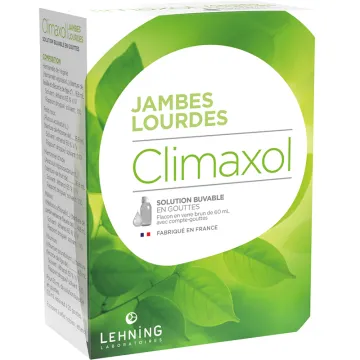
Heavy legs refer to a sensation of heaviness, swelling, and discomfort in the lower limbs, typically worsened at the end of the day, by heat, and after prolonged standing. This symptom is the primary clinical sign ofchronic venous insufficiency (CVI)—a condition characterized by impaired venous return due to faulty venous valves and a loss of tone in the vessel walls. Venous care products are available in the “heavy legs ” and “venous circulation ” sections of the store.
- Pathophysiological mechanism: incompetent venous valves → blood reflux → venous hypertension → distension of the vessel walls → activation of endothelial cells → inflammation of the vessel wall → fluid leakage (edema) — a self-perpetuating cycle without treatment
- Aggravating factors: heat (venous vasodilation) — prolonged standing (lack of muscle pump) — late pregnancy (iliofemoral compression + progesterone) — premenstrual period — being overweight — tight clothing around the thighs or groin
- Protective factors: walking (calf muscle pump) — cold (reflex venous vasoconstriction) — elevating the legs — elastic compression
- Stages of chronic venous insufficiency (CEAP classification): C0 (symptoms without visible signs) → C1 (telangiectasias, spider veins) → C2 (varicose veins) → C3 (edema) → C4 (skin trophic disorders) → C5 (healed ulcer) → C6 (active ulcer)
What are the warning signs, and when should you see a doctor?
- See a doctor if: large or painful varicose veins — persistent swelling (edema) not relieved by elevating the leg — skin discoloration (ochre dermatitis, hyperpigmentation) — leg ulcer — a red, painful cord along a varicose vein (superficial phlebitis)
- Call 15 immediately: sudden unilateral swelling of a limb + calf pain + localized warmth → suspected phlebitis (deep vein thrombosis) — sudden shortness of breath + chest pain → pulmonary embolism
- Populations particularly at risk: women (3:1 ratio compared to men—hormonal influence) — pregnant women (starting in the first trimester) — people who stand for prolonged periods (hairdressers, retail workers, teachers, nurses) — long-distance travelers
Natural treatments and supplements to relieve heavy legs
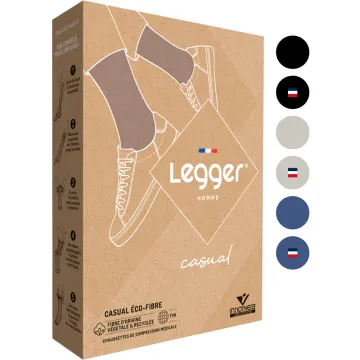
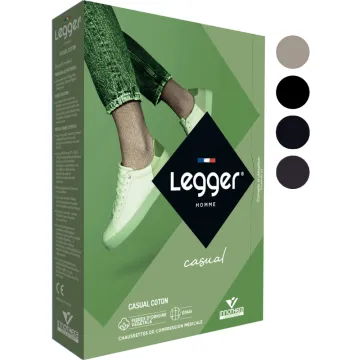
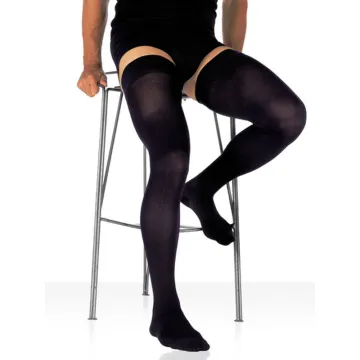
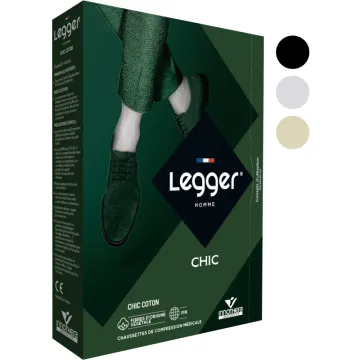
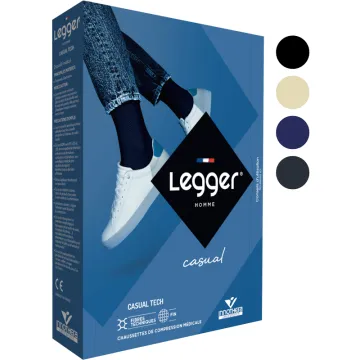
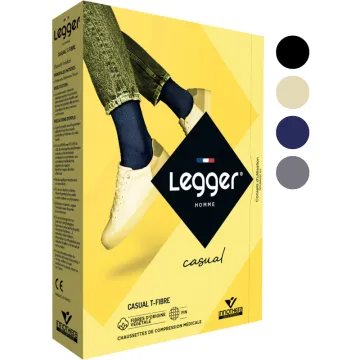
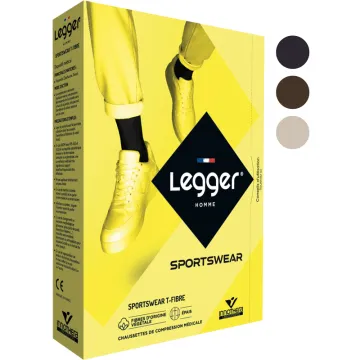
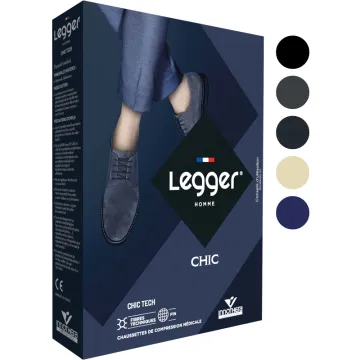
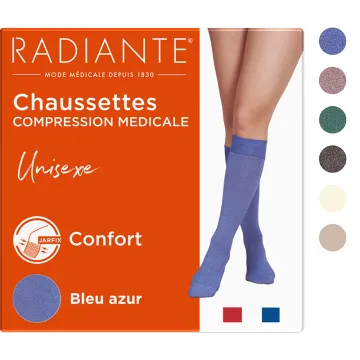
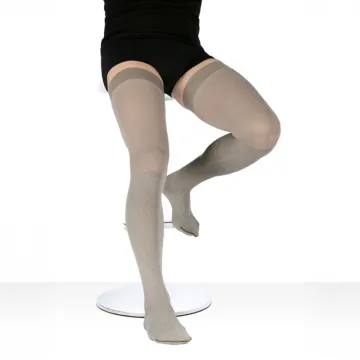
- Compression stockings and socks: standard treatment for CVI — Class 1 (15–20 mmHg) for prevention and mild discomfort — Class 2–3 by prescription (varicose veins, edema, post-DVT) — put on in the morning before getting out of bed — take a cold shower on the legs before putting them on (vasoconstriction)
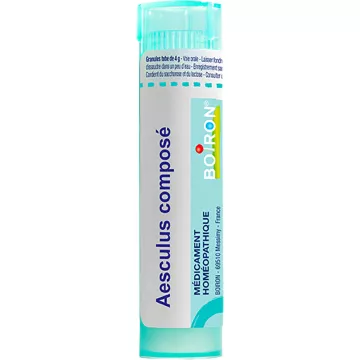
- Aescin (horse chestnut): veinotonic and anti-edematous — well-established clinical efficacy in chronic venous insufficiency (CVI) — as a topical gel (apply from bottom to top, morning and evening) or in 250–500 mg/day capsules — contraindicated with anticoagulants
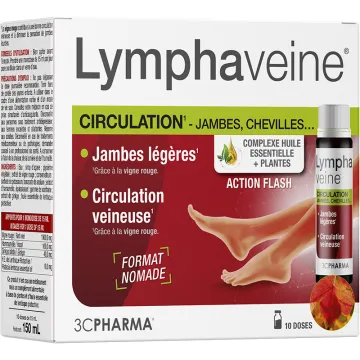
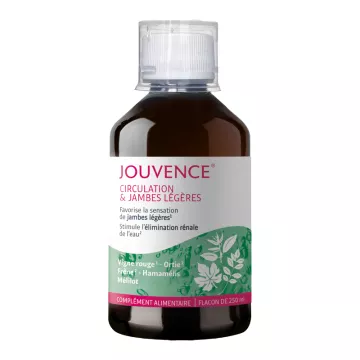
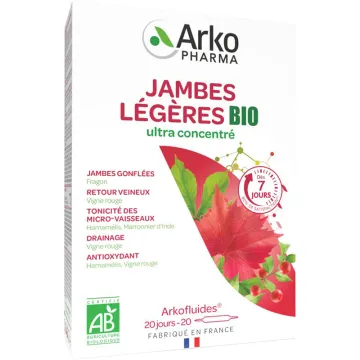
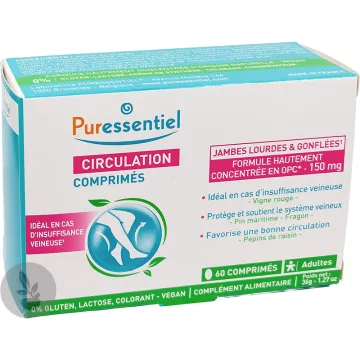
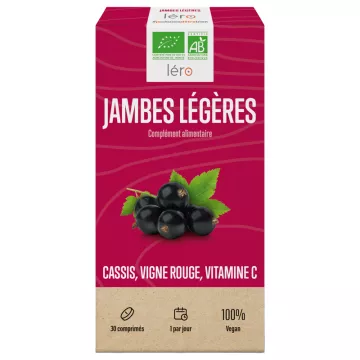
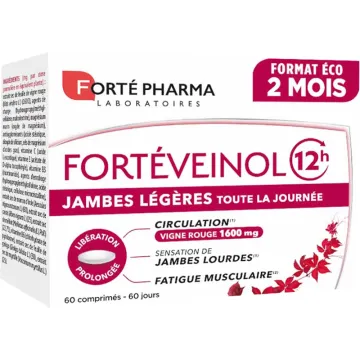
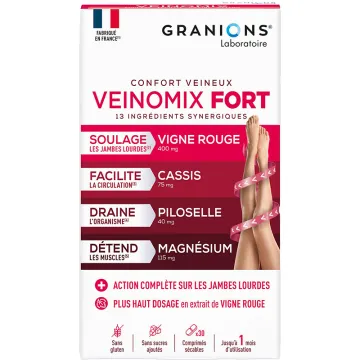
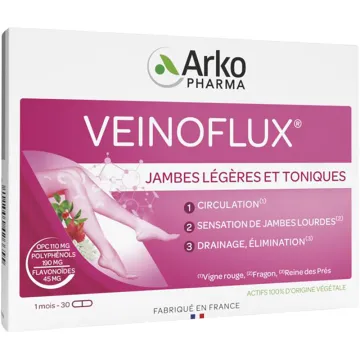
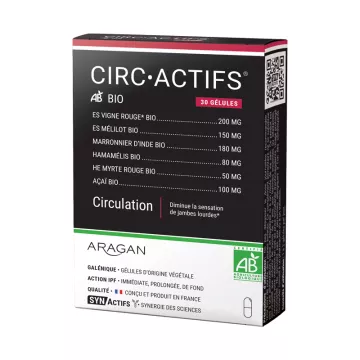
- Red vine: vasoprotective OPCs — strengthens vein walls — well-established safety profile — documented relief from heavy legs
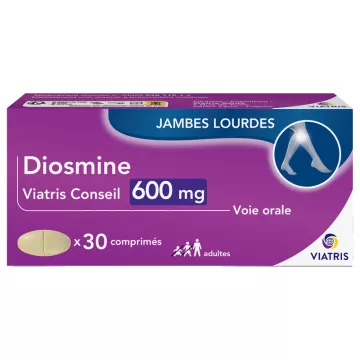
- Bioflavonoids (diosmin, hesperidin): robust clinical data — reduce capillary permeability and venous tone — as a 4- to 8-week course of treatment
- Practical Tips: Elevate the legs (15–20 min, 2–3 times/day) — walk 30 min/day — flex and extend the ankles every hour — avoid excessive heat (excessively hot baths, saunas, prolonged sun exposure) — see also: improving circulation and venous circulation