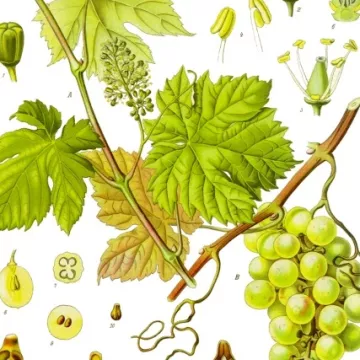
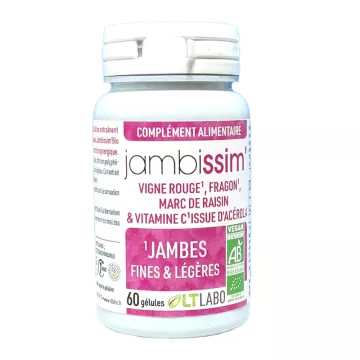
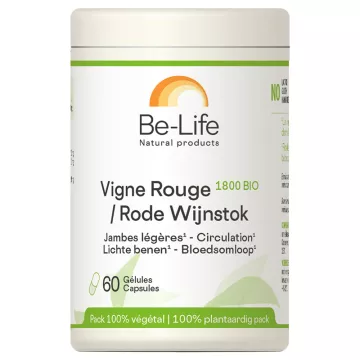
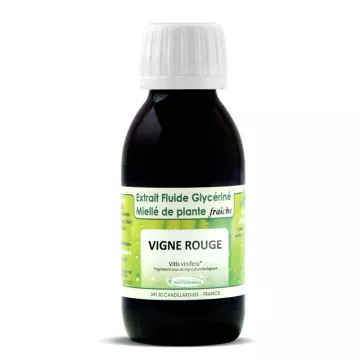
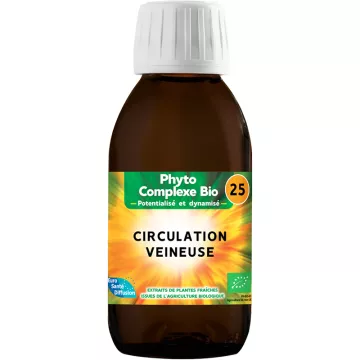
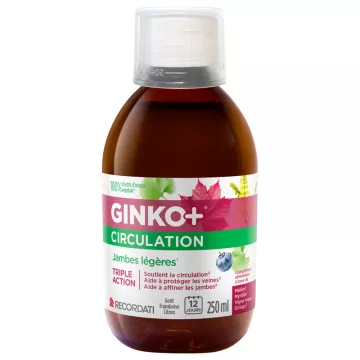
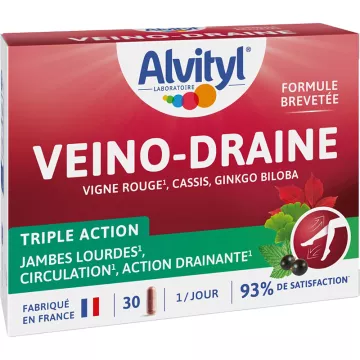
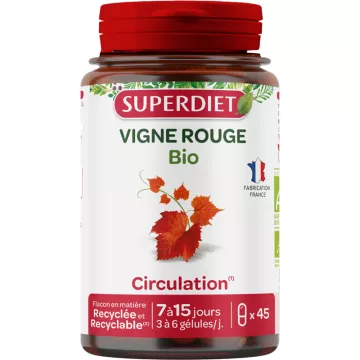
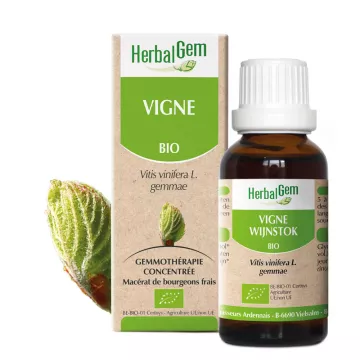
The red grapevine (Vitis vinifera var. tinctoria) is a variety of the European grapevine whose leaves turn a deep red in the fall. This spectacular pigmentation reflects an exceptional concentration of anthocyanins, complemented by oligomeric proanthocyanidins (OPCs), flavonoids (quercetin, rutoside), and tannins. This polyphenolic profile makes it one of the most studied plants in circulatory phytotherapy. The EMA recognizes its use in the symptomatic treatment of chronic venous insufficiency.
Its traditional and clinical indications cover a broad spectrum:
OPCs from red grapevines are among the most potent plant-based antioxidants documented: they scavenge free radicals, inhibit enzymes that break down vascular collagen (elastase, collagenase, hyaluronidase), and protect the vascular endothelium. This unique pharmacological profile sets red vine apart from horse chestnut and butcher’s broom, which are primarily mechanical venotonics. Red vine works to enhance both the structural strength and antioxidant protection of the vascular wall.
Yes, and this is one of its best-supported indications. Several clinical trials show an improvement in feelings of heaviness, edema, and ankle circumference after a 6- to 12-week course of standardized extract. It also helps relieve the discomfort of hemorrhoids when taken internally. The effect is long-lasting, without an immediate peak of action.
The capillary-protective action of OPCs makes them an active ingredient of choice for skin prone to rosacea, diffuse redness, or telangiectasias. When taken internally, it complements soothing topical treatments and helps address fragile skin capillaries. It can also be used as a lotion on reactive skin, where it provides a local astringent and antioxidant effect.
The polyphenolic antioxidants in red grapevine support athletic recovery by limiting oxidative stress associated with intense exercise. By facilitating venous return and supporting microcirculation, it reduces post-exercise swelling and helps alleviate muscle soreness. A 3- to 4-week course during peak training periods is recommended.
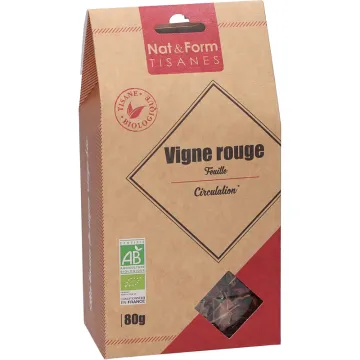
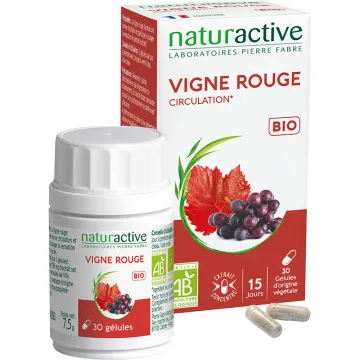
The dosage form depends on your goal:
There are numerous synergistic effects involving polyphenols and veinotonic agents: