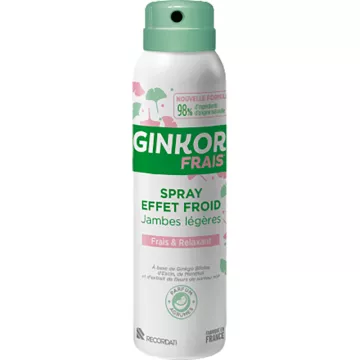
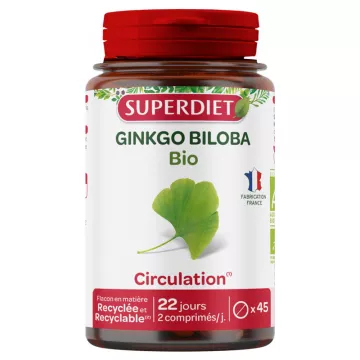
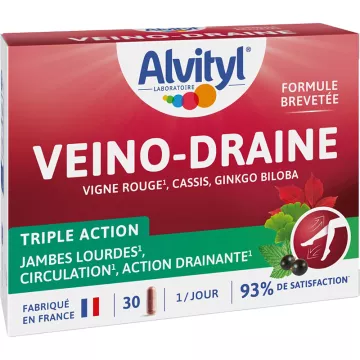
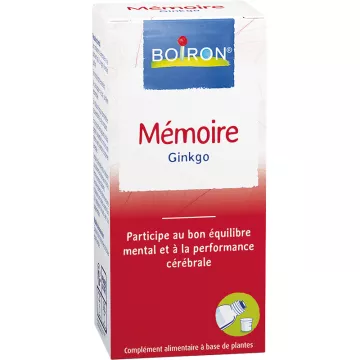
Ginkgo biloba is a tree native to Asia, considered one of the oldest plant species still in existence (over 270 million years old). Its fan-shaped leaves contain specific active compounds: flavonoids (quercetin, kaempferol) and terpenes (ginkgolides, bilobalide). These compounds account for its traditional uses, which focus on microcirculation and cognitive function. Commercially available extracts are standardized (typically 24% flavonoids and 6% terpenes). It is traditionally combined with circulatory herbs such as red vine and horse chestnut, or with tonic herbs such as ginseng.
The EMA (European Medicines Agency) recognizes standardized ginkgo leaf extract in two distinct contexts. For well-established use, to improve age-related cognitive impairments and quality of life in cases of mild cognitive decline in adults. For traditional use, to relieve feelings of heaviness in the legs and circulatory discomfort in the extremities, after a doctor has ruled out any serious medical condition. Ginkgo is neither a preventive nor a curative treatment for neurodegenerative diseases, and any marked cognitive symptoms must be evaluated by a doctor. Maintaining the skin barrier and a healthy lifestyle round out the approach.
To support memory and mental focus, particularly in older adults:
Combine with good sleep hygiene, regular physical activity, and cognitive stimulation.
To promote healthy blood circulation and relieve heavy legs, ginkgo is traditionally used to support microcirculation in the extremities (cold hands and feet, sensation of heaviness). It is part of phytotherapeutic approaches to venous circulation as a 6- to 8-week treatment course. For people prone to tinnitus or dizziness related to microcirculation in the inner ear, it is sometimes used as a complementary treatment, subject to a prior medical diagnosis, as these symptoms may stem from multiple causes requiring evaluation. Combine with simple measures: walking, elevating the legs, and staying hydrated.
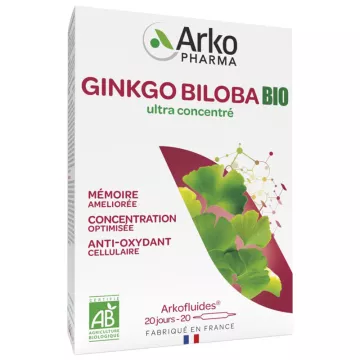
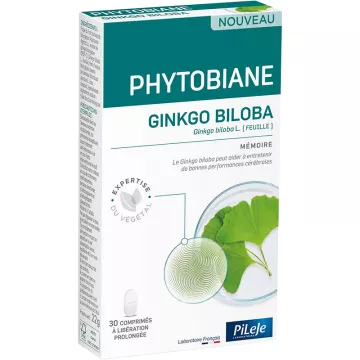
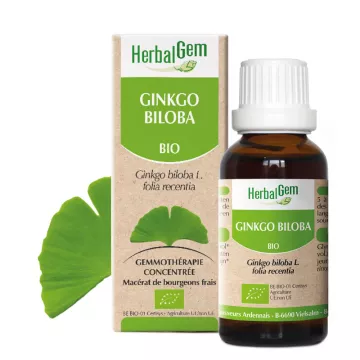
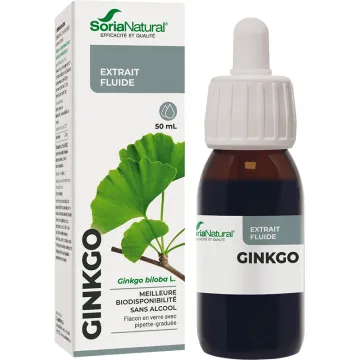
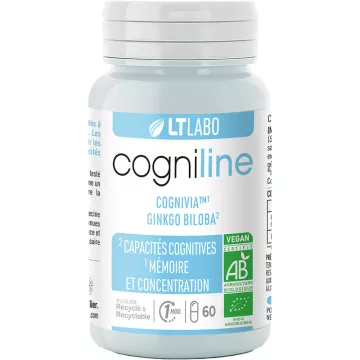
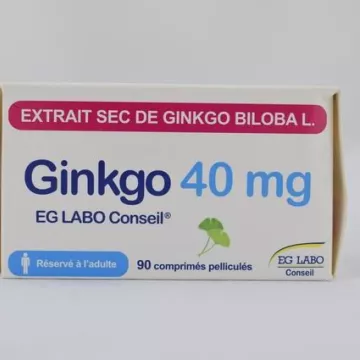
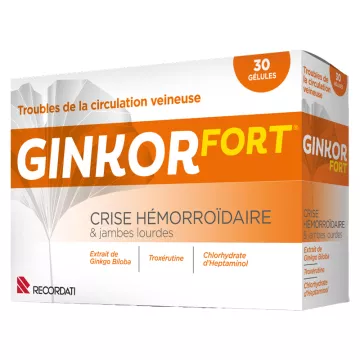
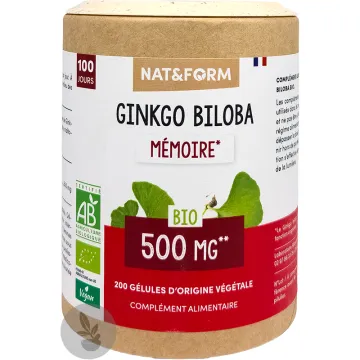
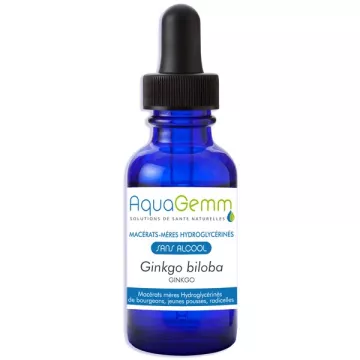
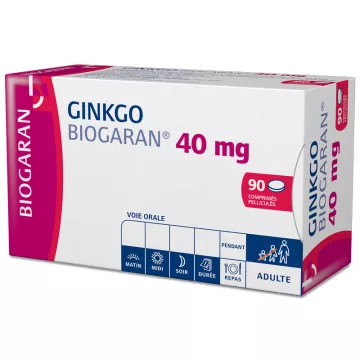
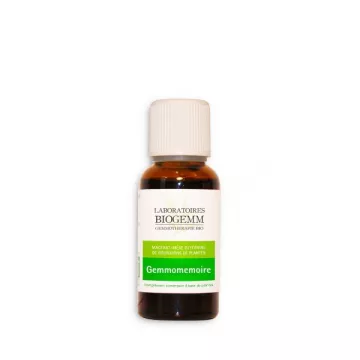
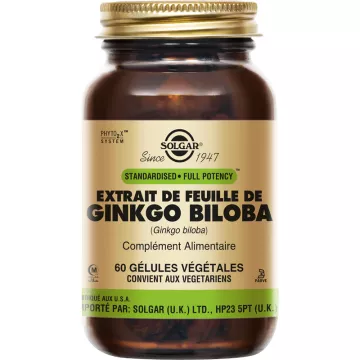
Ginkgo is available in several pharmaceutical forms. Capsules and tablets containing standardized dry extract (EGb 761 or equivalent, 24% flavonoids / 6% terpenes) constitute the standard pharmaceutical form—the one with the highest dosage and the most extensively studied.Liquid extract or mother tincture offers rapid absorption and flexible dosing. Oral ampoules are suitable for short-term courses of treatment.An infusion made from dried leaves provides a gentler, traditional approach but is less concentrated in standardized active ingredients. The standard course of treatment lasts 6 to 12 weeks and can be repeated after a therapeutic break. It is generally taken with meals to minimize digestive discomfort. Choose standardized extracts to ensure a consistent dosage of flavonoids and terpenes.
Ginkgo biloba carries a risk of bleeding, which requires strict precautions. It is strictly contraindicated with anticoagulants and antiplatelet agents (VKAs such as warfarin, aspirin, clopidogrel, heparin, and AOD), as it can dangerously potentiate their effects. It must be discontinued at least 1 to 2 weeks before any surgical procedure or dental treatment involving bleeding, due to the increased risk of bleeding. Coagulation disorders and a historyof hemorrhagic stroke are contraindications. Ginkgo may interact with antidiabetic medications, antihypertensive drugs, certain antidepressants (risk of serotonin syndrome with SSRIs), and antiepileptic drugs (lowering of the seizure threshold). Pregnant or breastfeeding women should avoid ginkgo. Prior medical or pharmaceutical consultation is essential for anyone undergoing chronic treatment. Digestive disturbances or mild headaches may occur at the start of treatment.
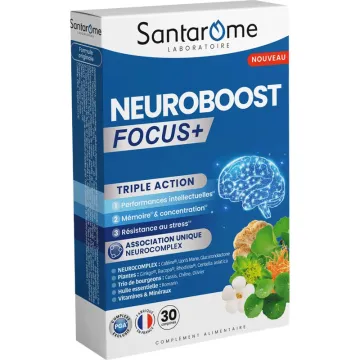
Ginkgo is traditionally combined with other herbs depending on the desired effect, while taking hemorrhagic contraindications into account. For cognitive support and as a tonic, it is combined with ginseng and rhodiola in adaptogenic formulations. For circulatory support, it complements red vine and horse chestnut, which are leading circulatory herbs. To support vision, it complements dietary supplements designed to promote healthy vision (lutein, zeaxanthin, blueberry). These combinations are available in ready-made formulations or can be customized individually. Due to the cumulative blood-thinning effects, any combination involving multiple circulatory herbs requires a pharmacist’s advice for individuals at risk of bleeding.
Several criteria help identify a reliable product. Standardization for flavonoids (24%) and terpene lactones (6%) is the most important criterion: only standardized extracts guarantee a consistent dosage of active ingredients. The Bio AB or Ecocert label guarantees the absence of pesticide residues. The mention ofthe reference extract (such as EGb 761) attests to proven pharmaceutical-grade quality.The origin of the leaves and the extraction method must be specified. The ginkgolic acid content must be monitored and limited (less than 5 ppm), as these compounds are potentially allergenic and toxic at high doses. Packaging in opaque bottles protects the light-sensitive active ingredients. Avoid non-standardized products whose active ingredient concentrations remain unpredictable.