How does memory work, and what are its different types?
Memory is not a uniform system but a set of processes based on distinct neural circuits:
- Working memory: temporarily stores 5 to 9 items for 15 to 30 seconds. It relies on dopaminergic and cholinergic prefrontal networks.
- Episodic memory: stores personal events along with their temporal context. Highly dependent on the hippocampus. It is the first type of memory to be impaired in Alzheimer’s disease.
- Semantic memory: general knowledge stored in the temporal cortex. Less vulnerable to normal aging.
- Procedural memory: automated motor skills (riding a bike, writing). Stored in the striatum and the cerebellum. Highly resistant to aging.
What is the role of the hippocampus in memory formation?
The hippocampus is the brain’s central “memory hub.” It encodes new information and retrieves episodic memories. Its key characteristics:
- Adult neurogenesis: The hippocampus is one of the few regions where new neurons continue to form in adulthood. This neurogenesis is stimulated by physical exercise, DHA, and BDNF, and inhibited by chronic cortisol and sleep deprivation.
- Synaptic plasticity (LTP): the cellular mechanism of memory formation. LTP depends on NMDA receptors (magnesium cofactor) and effective cholinergic neurotransmission.
- Hippocampal atrophy: observable on MRI in chronic depression, post-traumatic stress disorder, and Alzheimer’s disease.
Do Ginkgo biloba and Bacopa improve memory?
Two plants have the strongest clinical evidence regarding memory:
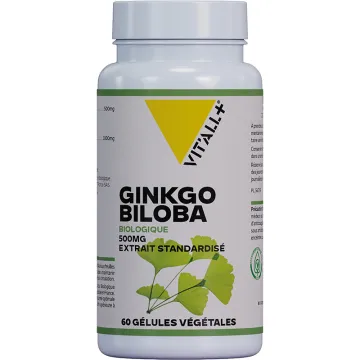
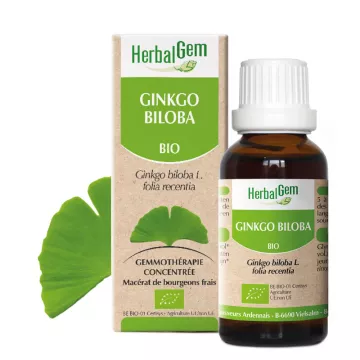
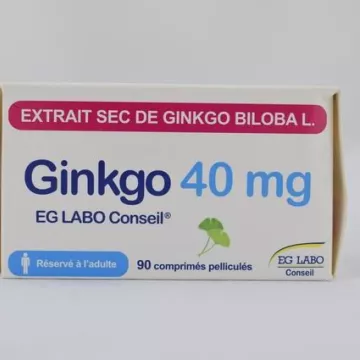
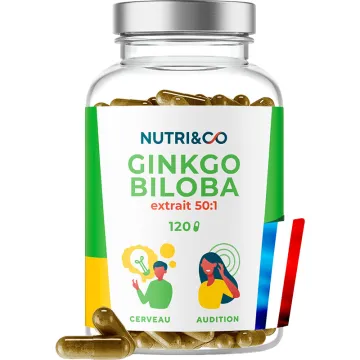
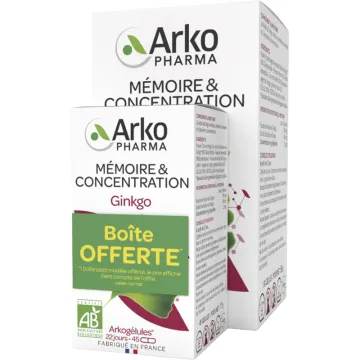
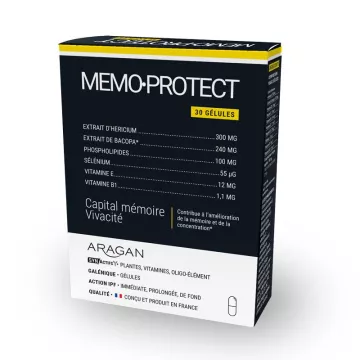
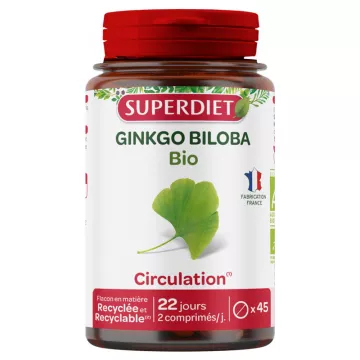
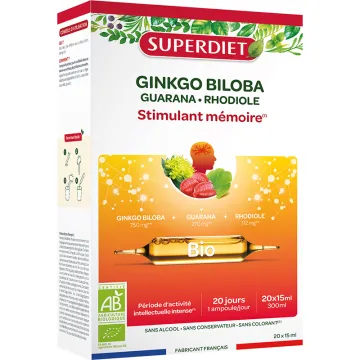
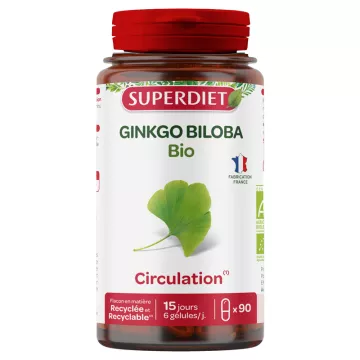
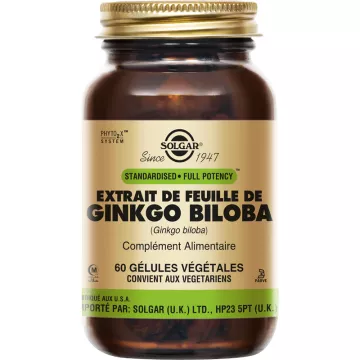
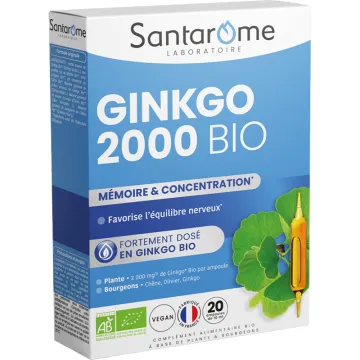
- Ginkgo biloba (EGb 761, 120 to 240 mg/day): improves episodic memory by increasing hippocampal microcirculation and inhibiting acetylcholinesterase. Clinical trials (GRACE, GuidAge) show a significant benefit for long-term memory in adults aged 50 and older. There is a strict contraindication with anticoagulants.
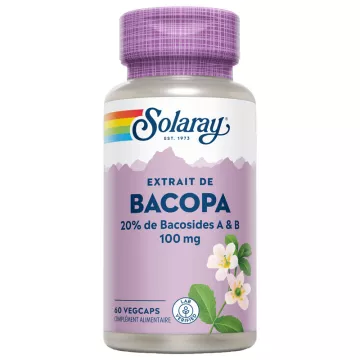
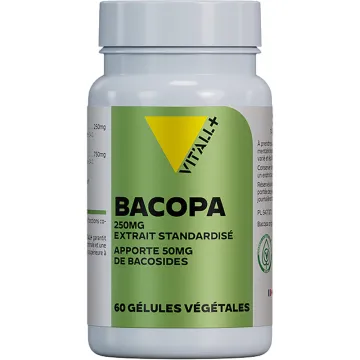
- Bacopa monnieri (standardized bacosides, 300 to 600 mg/day): improves memory consolidation by enhancing cholinergic transmission in the hippocampus. Meta-analyses confirm an improvement in episodic memory and learning speed after 12 weeks in healthy adults and older adults.
Vitamins B9 and B12: What Role Do They Play in Memory?
Vitamin B9 (methylfolate) and vitamin B12 (methylcobalamin) act as cofactors in the conversion of homocysteine to methionine. Elevated homocysteine levels (> 11 µmol/L) are neurotoxic and associated with a reduction in hippocampal volume as seen on imaging. The OPTIMA (Oxford) study showed that supplementation with B9, B12, and B6 reduces the loss of hippocampal volume by 30% over 2 years in patients with elevated homocysteine levels. B12 deficiency is common after age 60—a serum test is recommended in cases of unexplained memory problems.
How do stress and cortisol impair memory?
Chronic stress is one of the main enemies of episodic memory:
- Chronically elevated cortisol inhibits hippocampal neurogenesis (by inhibiting BDNF) and reduces the LTP necessary for memory formation.
- Hippocampal atrophy is detectable by MRI in post-traumatic stress disorder, with a 5–15% reduction in volume.
- Magnesium modulates hippocampal NMDA receptors and reduces HPA axis hyperactivity under stress, indirectly protecting memory from the harmful effects of cortisol.
Is sleep essential for memory consolidation?
Yes— sleep is the most powerful mechanism for memory consolidation. During sleep, two processes strengthen memory:
- Deep slow-wave sleep (delta waves): Recent episodic memories are “replayed” and transferred to the prefrontal cortex for long-term storage (systemic consolidation).
- Rapid eye movement (REM) sleep: procedural and emotional memories are consolidated, and unnecessary synaptic connections are pruned.
A night’s sleep after learning improves retention by 20 to 40 percent compared to an equivalent period of wakefulness. Sleep deprivation after learning almost completely blocks memory consolidation.