Anacardium Orientale by Boiron for a Holistic Approach to Health
Anacardium Orientale from Boiron Laboratories is a versatile homeopathic remedy used to treat stomachaches, gastralgia, and dyspepsia, as well as certain skin and behavioral issues. Although it can provide relief for these conditions, it is essential to consult a homeopathic healthcare professional for personalized treatment tailored to your specific condition. Take care of your overall well-being with Anacardium Orientale Boiron.
Semecarpus anacardium (This strain is available under the registered name Anacardium orientale)
This homeopathic remedy is derived from the oriental cashew (Anacardium orientale).
This cashew tree is a small tree native to India belonging to the Anacardiaceae family. Its fruit contains a white kernel used to prepare this medicine.
Homeopathic strain in Hannemannian or Korsakovian dilution
Description of the species Anacardium orientale
The Oriental cashew is a shrub of the Anacardiaceae family. Found primarily in northern India, this tree produces a white kernel commonly known as the Malacca bean. This kernel is used in the preparation of a homeopathic remedy. Anacardium orientale is a remedy prepared according to homeopathic methods, which involve macerating the base substance in alcohol. This initial process yields the mother tincture, which is then diluted several times. Between each dilution, the solution undergoes succussion or potentization, which helps maintain and enhance its therapeutic properties. Anacardium orientale is indicated for the homeopathic treatment of several conditions.
Properties of the Anacardium orientale Homeopathic Remedy
In homeopathy, Anacardium orientale is prescribed to treat a range of symptoms directly related to mental overexertion. The patient is often tired and experiences intermittent symptoms, including the sensation of a lump in the body. This homeopathic remedy is very effective for people who appear to have a split personality (a “good” and a “bad” side).
Other related conditions: Migraines; nervous coughs; palpitations; eczema; tendinitis.
Native to northern India, the eastern cashew is a shrub that produces almonds from which the homeopathic remedy Anacardium orientale is made. In gastroenterology, Anacardium orientale is indicated for treating stomachaches and conditions such as gastralgia or dyspepsia. In the psychological realm, its effectiveness has been proven. This remedy helps improve the well-being of individuals affected by various behavioral disorders. It is therefore prescribed to treat memory disorders, aggressive behavior, depression, and eating disorders. The various dilutions of Anacardium orientale help alleviate or eliminate symptomatic skin manifestations. As such, Anacardium orientale is recommended for patients suffering from lichen, dermatoses, and pruritus.
Anacardium Orientale by Boiron: A Versatile Homeopathic Remedy for the Stomach, Skin, and Behavior
Anacardium Orientale from Boiron Laboratories is a plant-based homeopathic remedy, also known as “Malac Bean.” It is traditionally used to treat a variety of conditions, including stomachaches, gastric pain, and dyspepsia, as well as certain skin and behavioral issues. In this article, we will explore the common uses of this remedy in homeopathy and its effectiveness in relieving these conditions.
Stomach Aches and Gastralgia: Relief from Digestive Discomfort
Anacardium Orientale is often recommended in homeopathy for the treatment of stomachaches, gastralgia, and dyspepsia. People who experience abdominal pain or discomfort after meals may find relief by using this remedy. It is used to help restore digestive balance and alleviate the symptoms associated with these gastrointestinal disorders.
Skin Conditions: Support for the Skin
In addition to its beneficial properties for the stomach, Anacardium Orientale is also used in homeopathy to treat certain skin conditions. It may be recommended for skin conditions such as eczema, rashes, and itching. Its soothing effect on the skin makes it an attractive option for those seeking natural solutions for their skin health.
Behavioral Disorders: Calm and Balance
Anacardium Orientale is also known for its potential to treat certain behavioral disorders. It is sometimes recommended for people experiencing symptoms such as irritability, aggression, or indifference toward others. This homeopathic remedy aims to restore emotional balance and promote calmer, more balanced behavior.
Indications and Dosage of Anacardium orientale
Gastroenterological Treatment with Anacardium orientale:
In gastroenterology, Anacardium orientale 9 CH is prescribed for digestive disorders and pain localized in the stomach.
This remedy is prescribed if the pain intensifies when the patient moves. Note that the pain may result from deep breathing or mental exertion.
Anacardium orientale 9CH is recommended for the treatment of stomachaches and digestive disorders such as dyspepsia and gastralgia, a painful and symptomatic irritation of the stomach.
Thus, patients suffering from constipation, nausea, and vomiting may use Anacardium orientale 9CH.
Note that the symptoms of these digestive disorders are less severe when the patient eats.
Treating Behavioral Disorders with Anacardium orientale:
Anacardium orientale 9CH is indicated for treating mental exhaustion and split-personality phenomena. This remedy helps combat mental exhaustion. It has proven effective in treating individuals with behavioral disorders.
Thus, it is indicated for individuals with a short temper who become easily irritated as a result of overexertion, and in particular for irascible students.
Anacardium orientale 15CH is indicated for anxious individuals who are sensitive or unable to exert any mental effort.
Dermatological applications of Anacardium orientale:
With its unique properties, Anacardium orientale 9CH is indicated for the treatment of skin conditions. This strain is effective in treating various dermatological conditions such as lichen, characterized by rashes and purplish papules accompanied by itching.
Anacardium orientale is particularly recommended when pruritus occurs or if the patient experiences itching, skin conditions, scaling, and skin lesions.
Dosage for Anacardium orientale
The recommended dosage for gastroenterological conditions:
Anacardium orientale 9 Ch is the appropriate remedy for constipation.
The duration of treatment is six days, at a dose of three granules per day, preferably in the morning and evening.
For stomachaches that improve with eating, five 9 Ch granules should be prescribed twice daily at 10 a.m. and 5 p.m., before meals.
The recommended dosage for behavioral disorders:
The treatment duration for eating disorders is fifteen days.
The dosage is five granules of Anacardium orientale 9 Ch twice daily. Aggressive individuals may take between three and five granules of 9 Ch twice daily.
When a child is aggressive and swears frequently, three 9 Ch granules should be taken three times a day.
Three 9 Ch granules, taken three times a day, are prescribed to address forgetfulness.
For depression that improves with eating, the dosage is five 9 Ch granules, taken three times a day.
The recommended dosage for treating skin conditions:
To treat lichen, itching, and papular rashes, take three 9 Ch granules before meals.
Recommendations for Use and Instructions for Anacardium orientale
Remove the tab, turn the tube upside down, and gently pull the cap.
Twist the tube to dispense the desired number of granules into the cap, then place the granules under the tongue.
It is recommended not to touch the homeopathic granules or globules with your fingers.
The globules from the dose tubes are taken all at once by allowing them to dissolve slowly under the tongue. If a specific dose is not available, take 10 granules of the same dilution.
Do not consume astringent substances—such as coffee, tobacco, camphor, mint, or chamomile—within half an hour before taking homeopathic medicines.
Use a mint-free toothpaste (such as Homéodent Boiron, a toothpaste compatible with taking homeopathic granules).
Professional Consultation: The Key to Proper Use
As with any homeopathic remedy, it is essential to consult a homeopathic healthcare professional to determine the appropriate dosage and regimen. Each case is unique, and a qualified practitioner will be able to tailor the treatment to the patient’s individual needs.
Packaging and Contents of Anacardium orientale
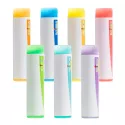
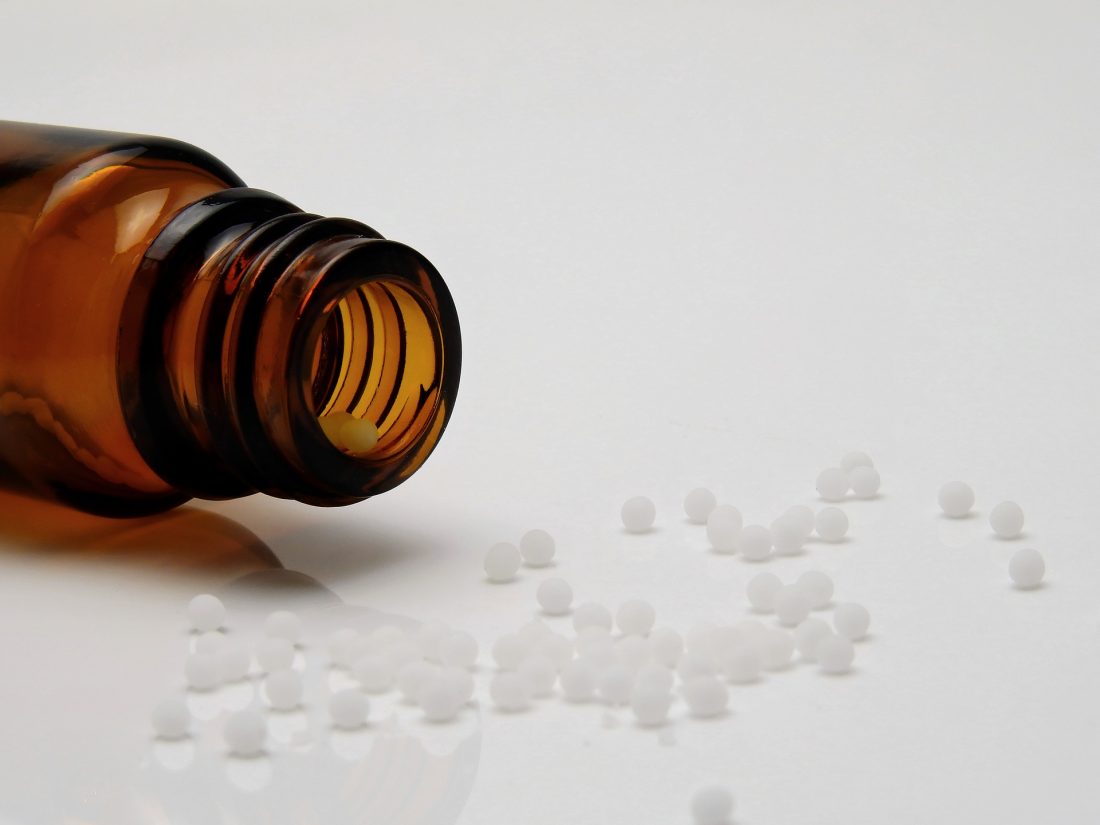
Translucent granule tube (allows you to see the remaining granules).
Each tube color corresponds to a dilution
Yellow 4CH, Green 5CH, Red 7CH, Blue 9CH, Sea Green 12CH, Orange 15CH, Purple 30CH
Weight: 4 g. Approximately 80 granules.
Translucent single-dose globule tube (allows you to see the remaining globules). Weight: 1 g.
Globule dose: 1 g.
Homeopathic remedy in Korsakovian dilution
200K, 1,000K (or MK or 1MK)
, 10,000K (or XMK or 10MK)
Anacardium Orientale: Discovery of the Malac Bean
Anacardium Orientale, commonly known as Malac Bean, is distinguished by its significant role in homeopathy and herbal medicine. This plant, native to Eastern regions, has been included in both the French and European Pharmacopoeias, a testament to its recognized importance and efficacy. This article aims to explore the characteristics, preparations, and therapeutic applications of the Malac Bean, highlighting its usefulness in contemporary natural medicine.
Botanical Origin and Pharmaceutical Registration
Anacardium Orientale, with its valuable botanical origin, is listed under registration number EH00018, attesting to its quality and compliance with rigorous pharmaceutical standards. Its inclusion in the French and European pharmacopoeias attests to its therapeutic value and acceptance within the medical community.
Formulations and Availability
Malac Bean is available in various forms, offering a wide range of options for prescription and use:
- Homeopathic Doses: Available in various concentrations, ranging from 5 CH to 30 CH, these doses allow for precise adaptation to patients’ specific needs.
- Homeopathic Tubes: With dilutions ranging from 4 CH to 30 CH, the tubes offer flexibility of use, facilitating personalized administration of the remedy.
- Compounded Preparations: The availability of Anacardium Orientale as a compounded preparation—in Hahnemannian dilutions starting at 2 CH, as well as in Korsakovian dilutions at 200K, 1,000K, and 10,000K, highlights homeopathy’s ability to provide tailored treatments that address individual conditions and expectations.
Therapeutic Applications
Malac bean is renowned for its beneficial effects on both the mental and physical levels. It is often recommended to treat memory disorders, difficulty concentrating, and depressive states. Physically, it can be used to relieve gastrointestinal pain and symptoms associated with nervous system imbalances.
Boiron Medications and Availability
The inclusion of Anacardium orientale in the Boiron product line confirms its prominent place in the homeopathic therapeutic arsenal. The range of available dilutions offers practitioners and patients a wide variety of solutions to address various ailments in a targeted manner.
Precautions for Using Anacardium orientale
Warning
Contains sucrose. Store homeopathic medicines away from light, heat, moisture, and any sources of fumes or fragrances.
Administering homeopathic granules to infants and children
For granules or alcohol-based drops, dissolve them in 100 ml of water. Since the granules take a long time to dissolve, it is necessary to prepare your mixture in advance.
Homeopathy and Pregnancy
Homeopathic remedies have no chemical toxicity, no contraindications, no interactions with other medications, and no adverse effects related to the amount ingested. Pregnant women can use them without any known risk to themselves or their unborn child, but it is best to seek advice.
Frequency of Homeopathic Use
For acute conditions, it is recommended to take homeopathic remedies every hour until symptoms improve. Once symptoms improve, doses should be spaced out to 3 or 4 times a day, then gradually discontinued.
For chronic conditions, low-potency remedies (greater than 9CH) are taken 1 to 2 times a day, while constitutional remedies are taken once a week or even once a month. This decision is left to the homeopath.
What to Do If There Is No Improvement Within 24 Hours
Certain conditions cannot be treated with homeopathy through self-medication alone. Their severity requires medical advice, which can be provided by a homeopathic physician. This physician will determine whether your condition can be treated with homeopathy alone or whether your treatment should be supplemented with allopathic medicine.