Pruritus (or itching) is an unpleasant sensation caused by the stimulation of C-fibers in the epidermis by chemical mediators—primarily histamine, substance P, and pro-inflammatory cytokines (IL-4, IL-13). The main cutaneous causes are atopic dermatitis (chronic nocturnal pruritus), hives, psoriasis, fungal infections, and parasitic infestations. Systemic causes include chronic kidney disease (uremic pruritus), hepatic cholestasis, lymphomas, and certain medications (opioids, aspirin). Contactallergy or IgE-mediated allergy is the most common cause of acute pruritus without visible skin lesions—an allergy workup may be helpful in cases of unexplained recurrent pruritus.
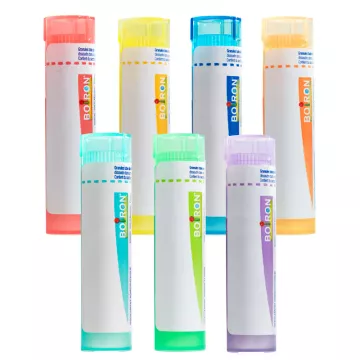
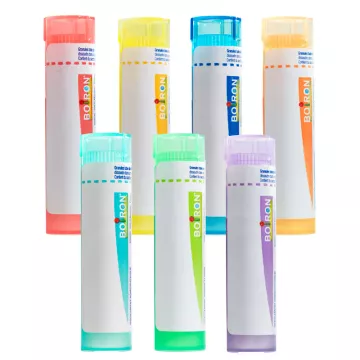
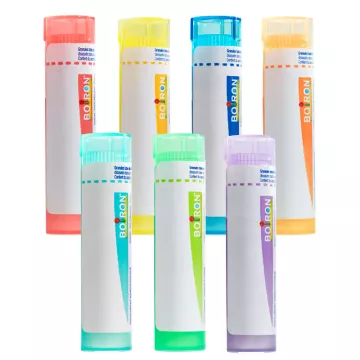
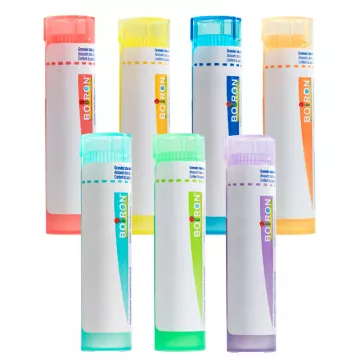
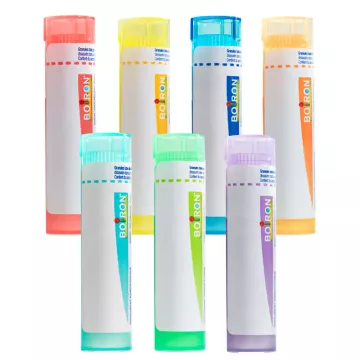
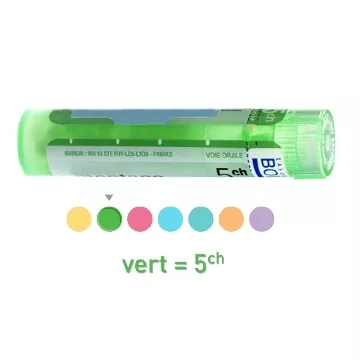
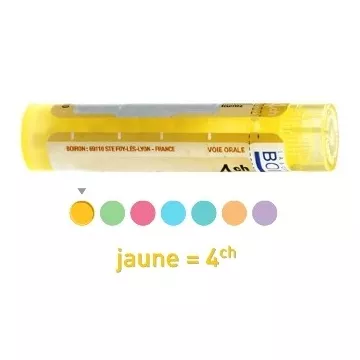
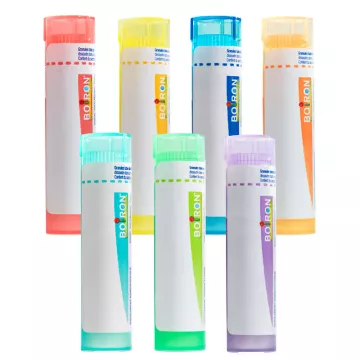
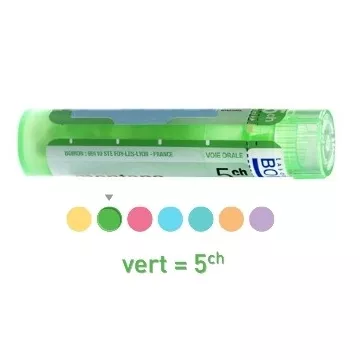
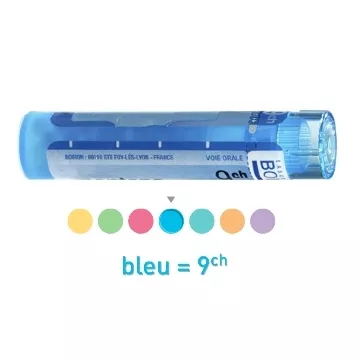
Homeopathy offers specific remedies depending on the type of pruritus:
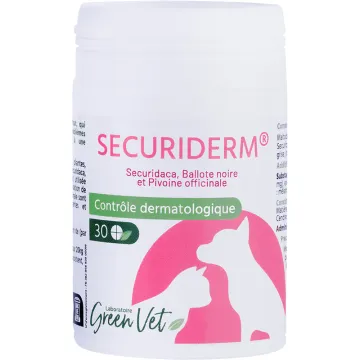
Zinc in dietary supplements is also a cofactor in the synthesis of anti-inflammatory prostaglandins, which is beneficial for skin prone to chronic itching.
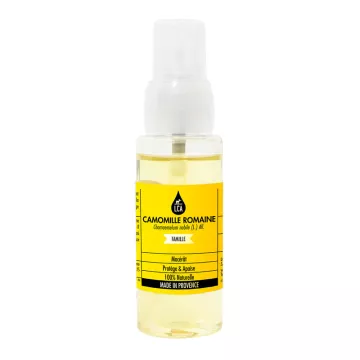
Menthol is the most effective topical active ingredient against itching—it activates the TRPM8 receptors (cold receptors) in the skin’s nerve fibers, producing a cooling sensation that competitively inhibits the transmission of the itching signal (gate control). When applied diluted to 1–3% in a vegetable oil, it soothes itching almost immediately for 30 to 60 minutes. Chamomile (Matricaria recutita, azulene + bisabolol) is the essential oil with the strongest anti-inflammatory effect on the skin—its azulene exerts a local antihistamine and anti-edema action that is particularly well-suited for allergic and atopic itching.
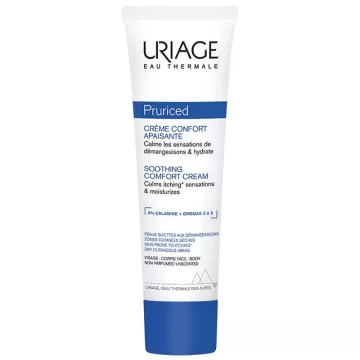
Sedermyl 0.75% Cream (35 g, dimethicone + allantoin) forms a protective film on the skin that mechanically reduces external stimuli that trigger itching, while allantoin soothes the scratched skin. Dexpanthenol (provitamin B5) repairs the skin barrier weakened by repeated scratching and reduces local inflammation. These topical treatments should be applied as soon as itching begins, before the itch-scratch-inflammation cycle sets in, which worsens and chronifies the itching.
Generalized pruritus responds well to colloidal oatmeal baths (2 to 3 tablespoons of micronized oatmeal in lukewarm water ≤ 35°C) — its avenanthramides exert a mild antihistamine effect on the entire skin. Lukewarm water is essential: hot baths dilate the capillaries and release more histamine, which invariably worsens the itching. Cold compresses soaked in a lavender or chamomile decoction quickly relieve intense localized itching through local vasoconstriction. Coffea Cruda (Boiron homeopathy) is indicated for nighttime itching accompanied by insomnia and mental agitation.