How does menthol produce its "cooling" effect?
The mechanism is precise—and different from what people often imagine.
- Menthol activates TRPM8 receptors (thermoreceptor ion channels) on the skin and mucous membranes—sending a “cold” signal to the brain without actually lowering the temperature
- This effect also opens local nerve calcium channels—providing mild and rapid surface anesthesia at the application site
- The TRPM8 perception threshold: just a few millimolar concentrations of menthol are sufficient—cosmetic concentrations of 0.5–2% are therefore effective
- Hot-cold effect of muscle balms: menthol activates TRPM8 (cold), while camphor or capsaicin activates TRPV1 (hot)—the two simultaneous effects create the sensation of heat perceived in sports warming gels
- This should be distinguished from synthetic (racemic) menthol and natural L-menthol (which is more active)—check the source on the labels of pharmaceutical-grade products
Menthol and Muscle and Athletic Comfort?
The use of menthol in sports is well documented—and goes beyond a simple cooling effect.
- Local analgesic: TRPM8 activation + surface anesthesia reduce the perception of post-exercise muscle tension pain
- Studies in endurance sports: Menthol mouthwash during exercise improves the perception of exertion and delays fatigue—without actually changing body temperature
- Recovery gels containing menthol, arnica, and camphor: a classic post-workout protocol—applied through massage to the muscle groups used during exercise
- Menthol patches: localized action on a specific area (shoulder, knee, back)—maintains a cooling sensation for up to 8 hours
- See our sports and recovery line
Menthol and respiratory care?
Menthol is the main active ingredient in chest rubs and inhalers—but its mechanism of action is often misunderstood.
- Menthol does not actually dilate the bronchi or nostrils—it activates TRPM8 on the nasal mucosa, creating a sensation of cooler air and improved nasal airflow
- Chest rubs: menthol + eucalyptus + camphor—massage onto the chest, never directly under children’s nostrils
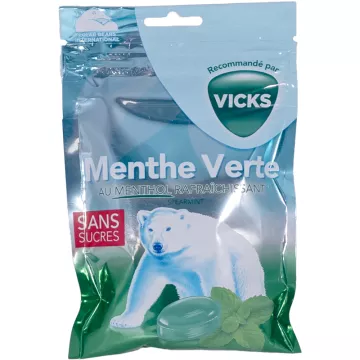
- Lozenges: menthol + propolis or thyme—provide a sensation of a clear throat, without any actual bronchodilator effect
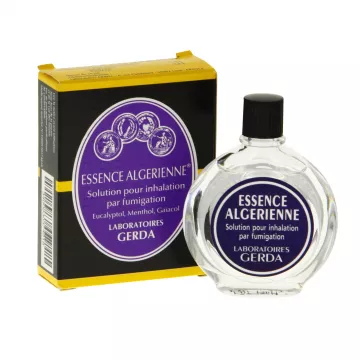
- Inhalation: menthol crystals in a bowl of hot water—slow release of vapors; for adult use only
- Never apply pure menthol or concentrated products to the faces of children under 6 years of age (risk of reflex bronchospasm via TRPM8 receptors)
Menthol in cosmetics and oral care?
The essential active ingredient in refreshing and hygiene products, from toothpaste to shampoo.
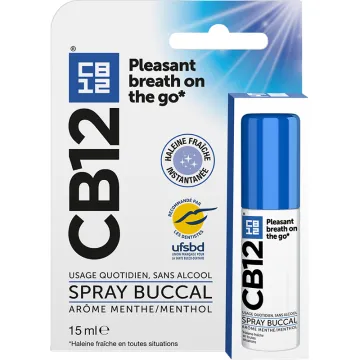
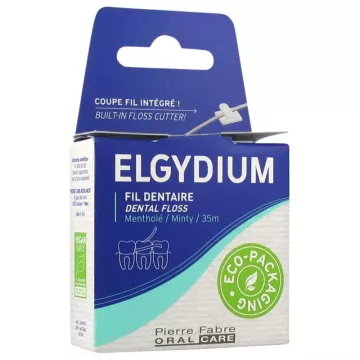
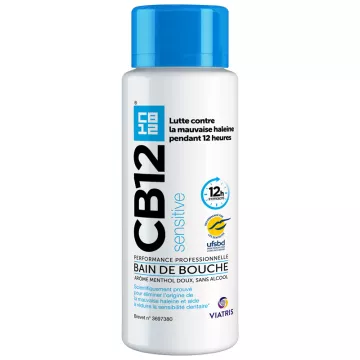
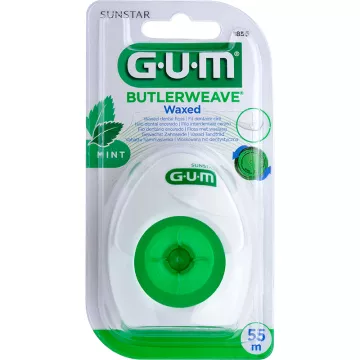
- Oral care: toothpastes, mouthwashes —menthol provides freshness and inhibits oral bacteria—complements mechanical hygiene to combat bad breath
- Scalp: stimulates follicular microcirculation—0.5–2% in shampoo for oily or irritated scalps —long-lasting cooling sensation
- Body care: menthol-based “light legs” gels—activates TRPM8 in the lower limbs—provides a sensation of comfort and cool legs
- Sunburn relief: menthol gels for immediate soothing — do not apply under a bandage (concentration too high)
Menthol and concentration?
The effect on cognitive alertness is a fact, not a marketing claim.
- Olfaction: Menthol activates the sympathetic nervous system via the olfactory epithelium — documented support for concentration and alertness
- Apply menthol roll-on to the temples or wrists: immediate stimulating effect, especially when energy levels dip midday
- Use in the morning or during the day—it’s stimulating, so avoid using it in the evening
- Combine with peppermint essential oil in a diffuser to enhance the alertness-boosting effect