Dandruff results from a combination of several factors: an imbalance in the scalp’s microbiome, excess sebum, and the presence of a naturally occurring yeast called Malassezia. In susceptible individuals, these factors accelerate flaking and promote the formation of visible dandruff, sometimes accompanied by irritation. Contrary to popular belief, dandruff is not a sign of poor hygiene, but rather an imbalance in the scalp. Understanding this mechanism helps you choose an appropriate solution rather than washing your hair more frequently, which can actually make the problem worse. Dandruff is one of the most common scalp issues—generally harmless but sometimes persistent—and it’s something that requires adjustments to your hair care routine.
Distinguishing between the two types is essential for treating them effectively:
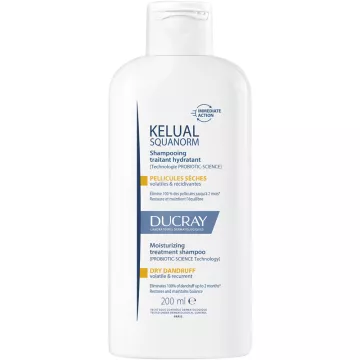
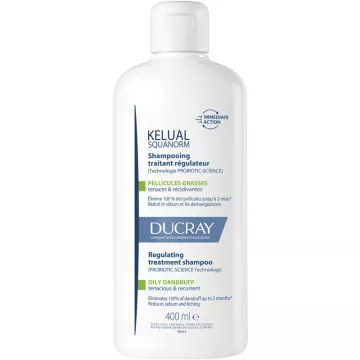
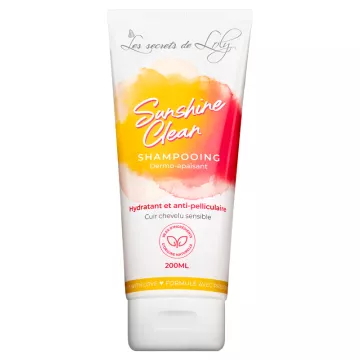
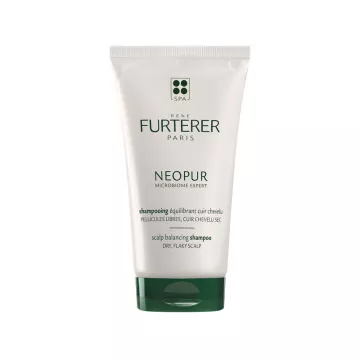
Dry dandruff requires gentle, moisturizing treatments, while oily dandruff calls for balancing and purifying treatments. Identifying your type prevents you from using an unsuitable product that could worsen the scalp’s imbalance.
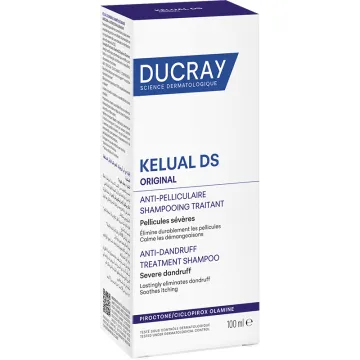
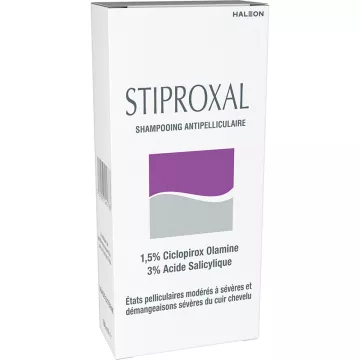
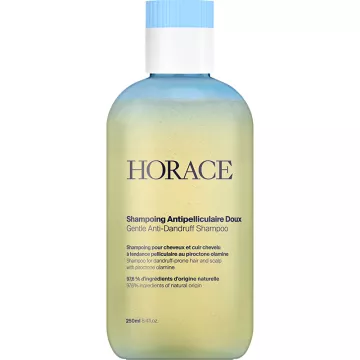
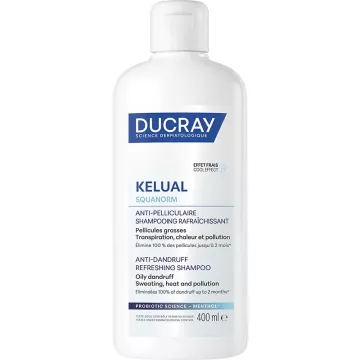
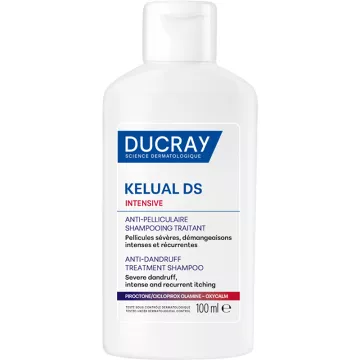
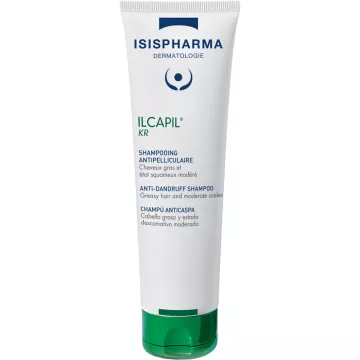
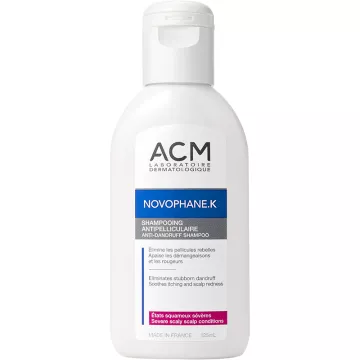
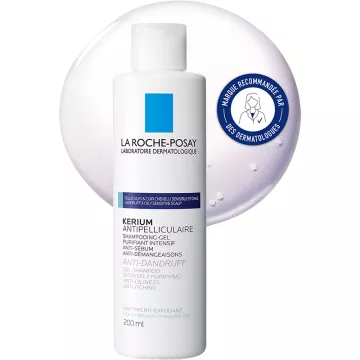
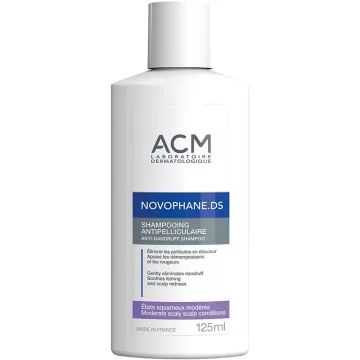
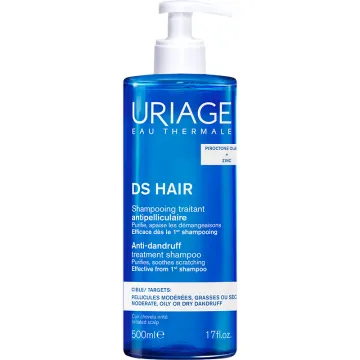
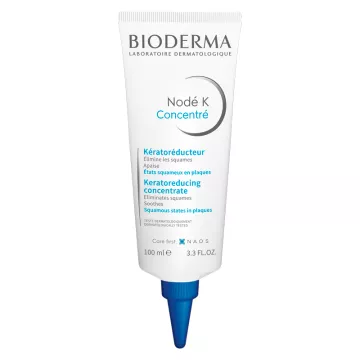
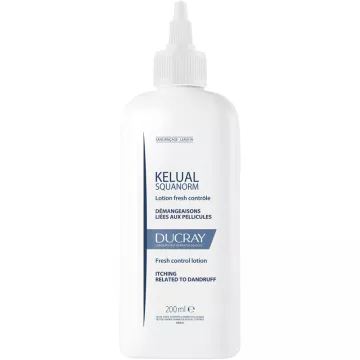
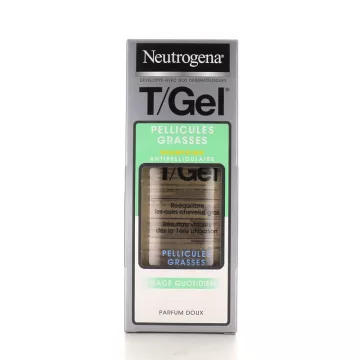
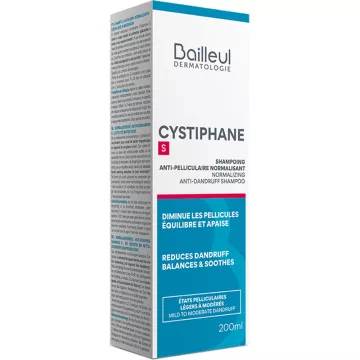
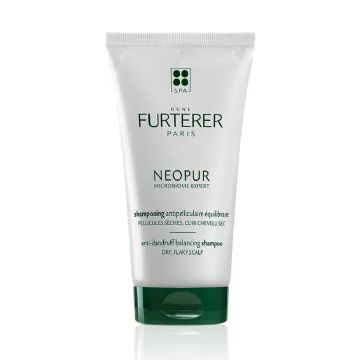
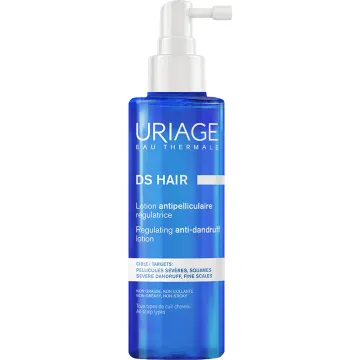
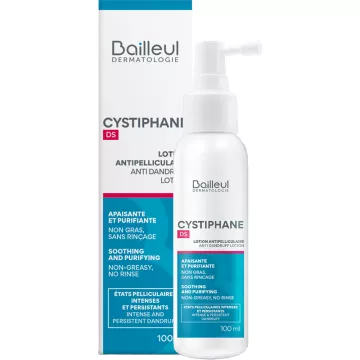
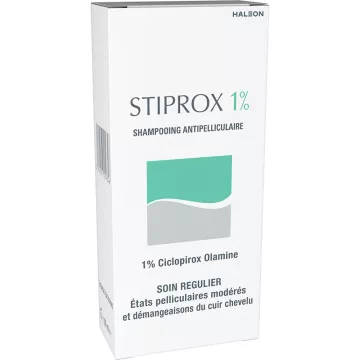
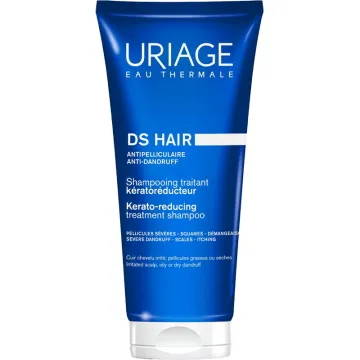
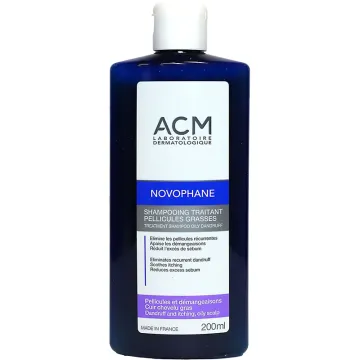
Treatment depends on the severity and cause. For mild to moderate dandruff, treatment often begins with anti-dandruff shampoos containing targeted active ingredients: zinc pyrithione and selenium sulfide help regulate yeast growth, whilesalicylic acid promotes the removal of flakes. These active ingredients improve scalp comfort and balance. Regular use, following the recommended application time and instructions, is necessary for good results. Alternating with a mild shampoo for maintenance helps prevent over-stressing the scalp. These over-the-counter treatments are suitable for ordinary dandruff; if they prove ineffective or if symptoms are severe, medical advice is necessary to rule out an underlying condition.
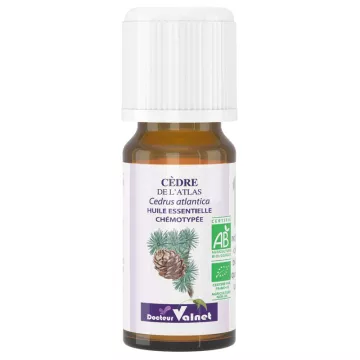
Several natural remedies provide relief and comfort.Tea treeoil, traditionally valued for its cleansing properties, can be added to shampoo or used in diluted form. Apple cider vinegar, used as a diluted rinse, helps rebalance the scalp’s pH.Aloe vera soothes and moisturizes an irritated scalp. As for essential oils, lavender and rosemary promote comfort, but must be diluted in a vegetable oil (jojoba, coconut) before application to avoid irritation, and are not recommended for pregnant women or young children. These gentle solutions are suitable as a complementary treatment or for occasional dandruff; they relieve symptoms without always addressing the underlying cause of an established imbalance.
Prevention hinges on maintaining scalp balance. Adopt a gentle routine with suitable, moisturizing products; avoid irritating styling products and excessive washing, which strip the scalp and can trigger a rebound effect of sebum production. A balanced lifestyle is also important: a diet rich in B vitamins, zinc, and omega-3s supports scalp health. Managing stress—a recognized aggravating factor—and getting enough sleep contribute to this balance. Avoiding excessively hot water and excessive heat from styling tools helps preserve the hydrolipidic film. These simple steps, when incorporated into a regular routine, help prevent recurrence. Prevention is better than treatment: a scalp kept in balance is less prone to dandruff flare-ups.
Seasonal changes influence the onset of dandruff. In winter, low humidity and indoor heating dry out the scalp, promoting dry dandruff. In summer, heat and humidity stimulate sebum production, exacerbating oily dandruff. Adapting your routine to the season helps better control symptoms. Stress is another major aggravating factor: it affects the immune system, can disrupt hormonal balance, increase sebum production, and promote the proliferation of Malassezia. Managing stress through relaxation techniques, a balanced diet, and quality sleep helps reduce the frequency and severity of dandruff. Understanding these triggers allows you to anticipate flare-ups and adjust your scalp care routine accordingly.
Dandruff is sometimes confused with other scalp conditions, which require a medical diagnosis. Seborrheic dermatitis is characterized by patches of oily skin and yellowish flakes. Psoriasis of the scalp presents as thick, well-defined, often silvery patches.Eczema causes dry, red skin and intense itching. These conditions require specific treatment that a simple anti-dandruff product cannot provide. A highly reactive, painful, or damaged scalp should be evaluated by a dermatologist. Only a professional can make an accurate diagnosis and distinguish between simple dandruff and a condition requiring appropriate treatment.
A consultation is necessary if dandruff persists despite regular use of appropriate treatments, or if it is accompanied by redness, severe irritation, or hair loss. These signs may indicate an underlying condition such as seborrheic dermatitis or psoriasis, which requires specialized medical treatment. Similarly, extensive scaly patches, intense itching, or lesions warrant a professional evaluation. A dermatologist can assess the situation, rule out other skin conditions, and recommend appropriate treatment—something that over-the-counter shampoos cannot replace. When dealing with stubborn or unusual dandruff, it’s better to consult a professional than to keep trying different products: professional advice remains the safest and most effective way to restore long-lasting scalp comfort.