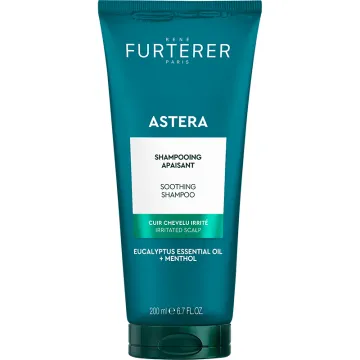
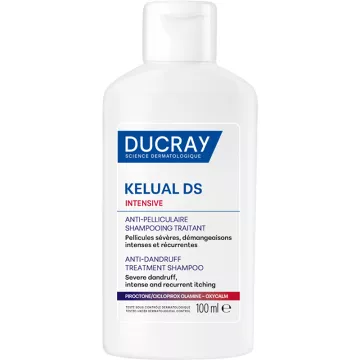
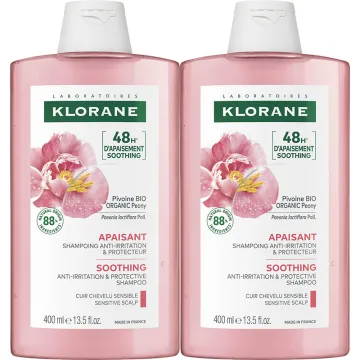
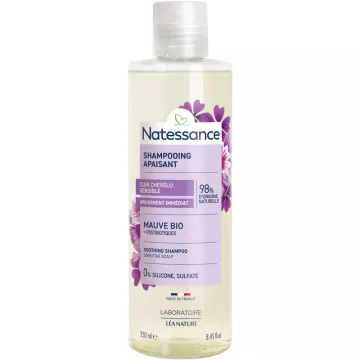
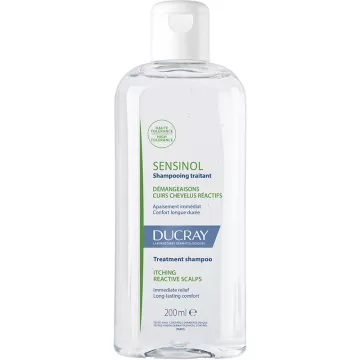
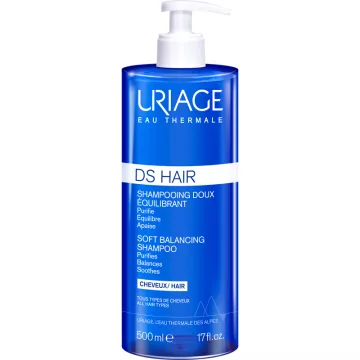
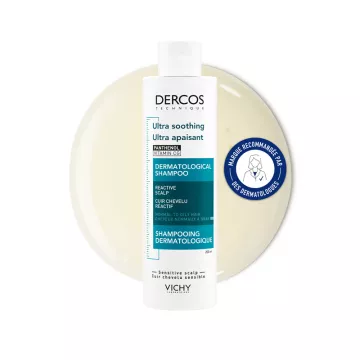
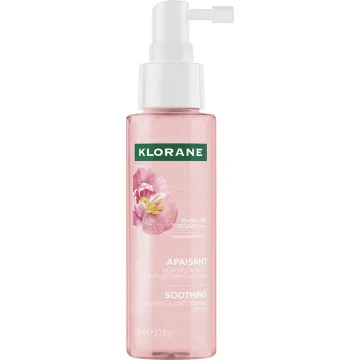
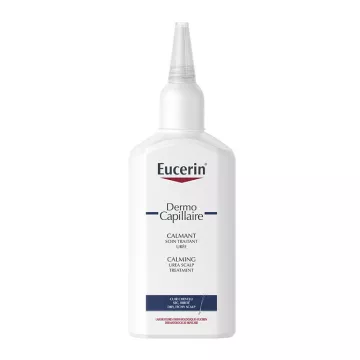
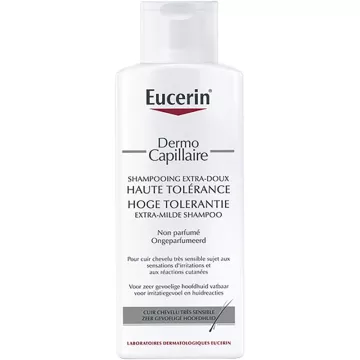
An irritated scalp is characterized by active itching, tingling, a sensation of heat or tightness, sometimes accompanied by widespread redness. Unlike simple underlying sensitivity, irritation indicates an ongoing inflammatory episode that requires immediate soothing relief rather than a long-term preventive routine. Sprayingthermal water directly onto the roots can provide quick initial relief during a flare-up.
The causes of scalp irritation are varied: excess sebum that promotes the proliferation of commensal fungi, residues from poorly rinsed styling products, hard water, repeated friction, or a reaction to a new shampoo. Stress and seasonal changes can also lower the skin’s tolerance threshold and contribute to the onset of these episodes, even if no new products have been added to your routine. When irritation is associated with excess sebum or impurities, a purifyingtea tree oil treatment can specifically target this cause rather than merely providing symptomatic relief.
When experiencing active itching, avoiding scratching with your fingernails reduces the risk of micro-lesions and secondary infection. A gentle massage with your fingertips, combined with a cool compress for a few minutes, helps soothe the immediate sensation. Peppermint essential oil, heavily diluted in a vegetable oil and never used undiluted, provides a refreshing effect that is helpful for tingling sensations, provided you perform a tolerance test first.
Certain essential oils with soothing properties can complement a targeted hair care routine, always diluted before application. Lavender, with its well-known calming properties, easily fits into an evening hair care routine for irritation caused by stress or fatigue. Chamomile complements this soothing synergy, making it particularly suitable for sensitive scalps that cannot tolerate overly stimulating ingredients.
Beyond topical treatments, certain nutritional supplements help maintain healthy skin, including on the scalp. Zinc helps regulate skin inflammatory processes and may be considered as a treatment course when irritation recurs repeatedly, as a supplement to an appropriate hair care routine rather than as a replacement for it.
Irritation that persists for more than a few days despite gentle care, and is accompanied by patches, oozing, localized hair loss, or significant pain, warrants a dermatology consultation to rule out seborrheic dermatitis, psoriasis of the scalp, or an infection. Until you receive this evaluation, opt for a gentle niacinamide treatment rather than using multiple potentially irritating active ingredients.