What is niacinamide, and how does it work on the skin?
Niacinamide (nicotinamide—the amide form of vitamin B3) is one of the most versatile and clinically well-documented active ingredients in cosmetics. Unlike niacin (nicotinic acid), which can cause flushing, niacinamide is well tolerated by all skin types. Its mechanism of action is based on its intracellular conversion to NAD+ (nicotinamide adenine dinucleotide)—a key coenzyme involved in cellular energy production (mitochondria), DNA repair, and ceramide synthesis. For information on the nutritional role of vitamin B3, visit our vitamin B3 page. Discover our facial serums, blemish treatments, and perfect complexion formulas.
- Skin biochemical mechanisms: conversion to NAD+ → cellular energy (keratinocytes + fibroblasts) — activation of sirtuins (SIRT1 — enzymes involved in cellular longevity and DNA repair) — stimulation of ceramide synthesis (skin barrier lipids—stratum corneum) — inhibition of melanosome transfer from melanocytes to keratinocytes → reduction of hyperpigmentation without inhibiting melanin synthesis itself
- Sebum-regulating action: inhibits the release of free fatty acids and triglycerides by the sebaceous glands — reduces sebum production by 10–30% according to studies — reduces the appearance of enlarged pores (by reducing the excess sebum that causes them to dilate) — effective on oily and combination skin without causing dryness
- Strengthening the skin barrier: stimulates the synthesis of ceramides + endogenous hyaluronic acid + stratum corneum proteins (loricrin, involucrin) → improves the cohesion of the stratum corneum — reduces transepidermal water loss (TEWL) — result: skin that is more resistant to irritants, allergens, and pollutants — particularly relevant for atopic eczema (ceramide deficiency)
- Anti-inflammatory and anti-acne: inhibits pro-inflammatory chemokines (IL-8, TNF-α) in keratinocytes — comparable to 1% clindamycin in some studies on mild to moderate acne — reduces inflammatory lesions (papules and pustules) from 60–80% to 4% in comparative studies
- Antioxidant and UV protection: NAD+ is an essential cofactor for DNA repair enzymes (PARP1) activated after UV damage — niacinamide helps repair pyrimidine dimers (UV damage) — enhances the effectiveness of SPF sunscreens — explore our formulas for dull skin
Skin concerns and recommended concentrations
- Oily, combination, and acne-prone skin (5–10%): sebum regulation + reduction of inflammatory blemishes + visual pore tightening—combine withglycolic acid or BHA (salicylate) for additional exfoliation—topical zinc enhances the sebum-regulating and anti-inflammatory effects (zinc pyrithione or zinc PCA) — apply in the morning and/or evening
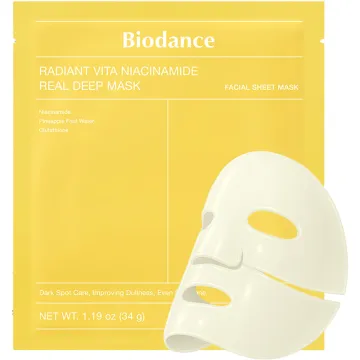
- Pigment spots and uneven skin tone (4–10%): inhibits melanosome transfer (a mechanism distinct from that of vitamin C, which inhibits tyrosinase) → complementary brightening effect — studies show a 35–68% reduction in hyperpigmentation in 8 weeks at 5% — post-inflammatory (acne scars, melasma, sunspots) — to be combined with vitamin C for a synergistic effect on the various targets of melanogenesis
- Sensitive, reactive skin, and rosacea (2–5%): anti-inflammatory properties + barrier reinforcement + reduction in redness — positive studies in erythematous rosacea (reduction in diffuse erythema) — low concentration to minimize any risk of reactivity — apply once daily at the start of your skincare routine
- Mature skin and signs of aging (5–10%): stimulates the synthesis of collagen I and IV (fibroblasts) — improves skin elasticity — reduces superficial wrinkles — combine with retinol for a synergistic anti-aging effect (niacinamide improves retinol tolerance) — explore our anti-aging serums
- Dry and dehydrated skin (2–5%): stimulates ceramide production + enhances moisture retention + strengthens the skin barrier — combine withhyaluronic acid for optimal hydration — particularly suitable for mild atopic skin (ceramide deficiency)
Usage routine, synergies, and precautions
- How to incorporate niacinamide into your routine: cleansing → toner (optional) → niacinamide serum (thin layer on clean, dry skin) → complementary active serum (retinol at night, vitamin C in the morning) → moisturizer → SPF (in the morning) — niacinamide can be used in the morning and/or at night — suitable for all skin types
- Niacinamide + hyaluronic acid synergy: the go-to hydration/barrier duo — hyaluronic acid provides deep hydration (humectant) — niacinamide strengthens the barrier that locks in this moisture — apply hyaluronic acid before niacinamide (from lightest to richest) — ideal combo for dry, dehydrated, or atopic skin
- Niacinamide + Retinol Synergy: niacinamide is the go-to ally for improving retinol tolerance (reduces initial irritation, redness, and flaking) — use retinol at night + niacinamide in the morning, or alternate between the two → enhanced anti-aging effects
- Niacinamide + Vitamin C (pure ascorbic acid): Combining them directly in the same formula can theoretically form niacin (flushing) and niacinamide ascorbate (yellowing)—but in stable, pH-controlled formulas and with normal skin use, this reaction is minimal—nevertheless, as a precaution: apply vitamin C in the morning + niacinamide in the evening, or use a vitamin C derivative (ascorbyl glucoside, ascorbyl phosphate) that is directly compatible with niacinamide
- Precautions and side effects: concentrations > 10% → increased risk of transient erythema—introduce gradually (3–4 times per week, then daily)—in case of persistent tingling: reduce the concentration or frequency — does not interfere with regular topical medications — safe for use during pregnancy and breastfeeding at cosmetic concentrations
Dosage forms, quality, and purchasing advice
- Niacinamide serums: standard formulation — concentrations 5–10% — light, water-based texture (absorbs quickly before applying cream) — choose a serum without denatured alcohol (irritating) + pH 5.5–7 (niacinamide’s optimal stability range) — explore our facial serums
- Niacinamide creams: 2–5% concentrations — combined with emollients and humectants — ideal for dry or sensitive skin requiring comfort and hydration in addition to the active ingredient’s benefits — richer texture → night or day cream depending on the formulation
- Niacinamide in makeup: BB creams, foundations, smoothing primers — generally lower concentrations (1–3%) — moisturizing effect + soothing + light complexion correction — suitable for reactive skin types looking to minimize the number of skincare layers
- Quality criteria: clearly stated concentration (5% or 10%) — denatured alcohol- and fragrance-free formulation for sensitive skin — manufacturer certifies the stability of niacinamide in the formula (prevents conversion to niacin) — opaque or airless packaging (protects against oxidation) — purchased at a drugstore or pharmacy for traceability
- Visit our Vitamin B3 page for information on the nutritional benefits of niacin and niacinamide (energy, metabolism, cholesterol)