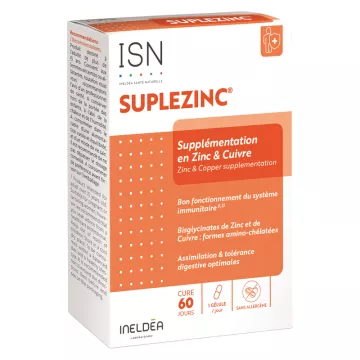
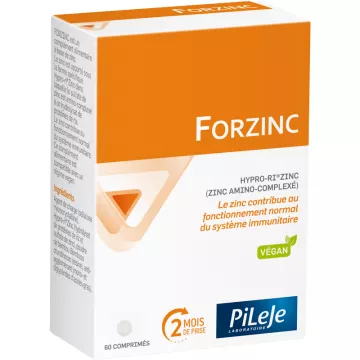
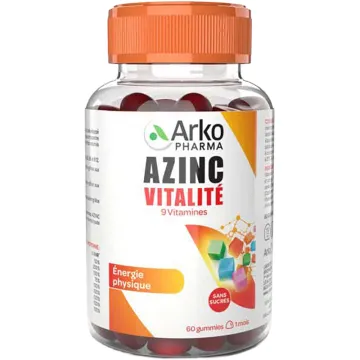
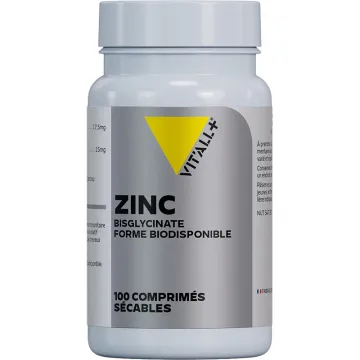
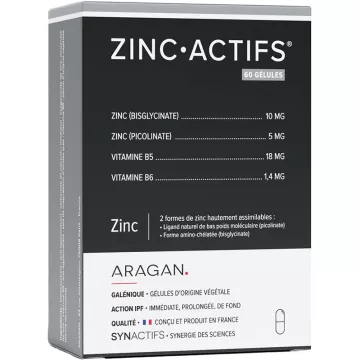
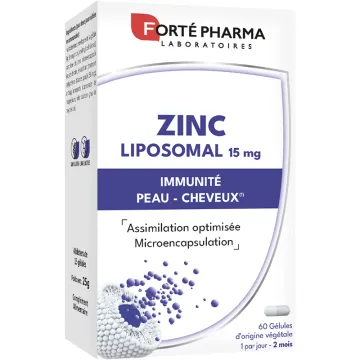
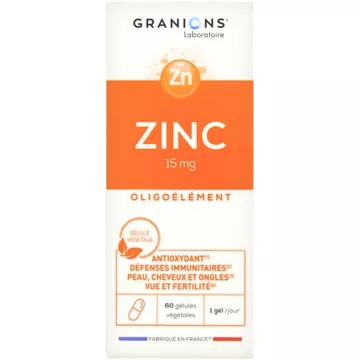
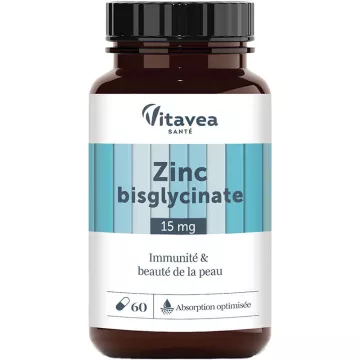
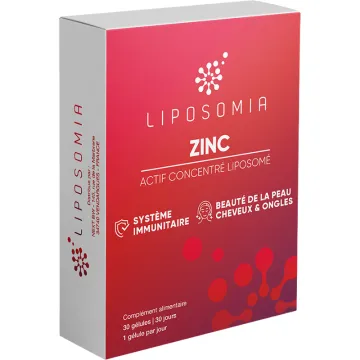
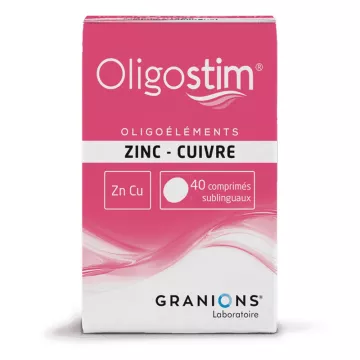
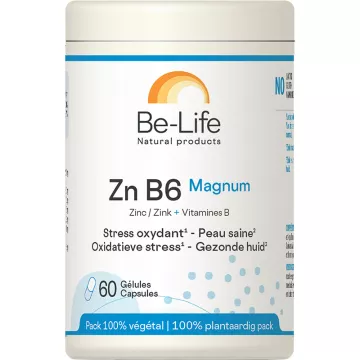
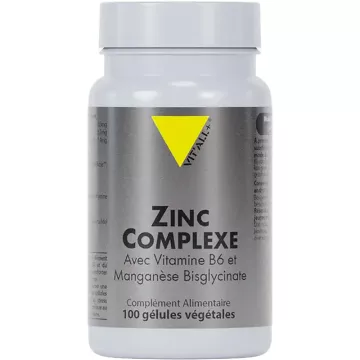
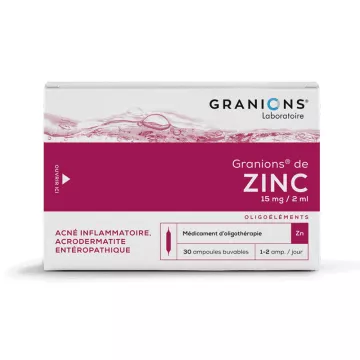
Zinc is an essential trace mineral and a cofactor for more than 300 enzymes involved in protein synthesis, cell division, and immune system regulation. It also contributes to maintaining normal skin, cognitive function, and fertility. Zinc maintains a delicate balance with copper; a prolonged excess of zinc can lead to copper deficiency due to competition for intestinal absorption, which is why it’s important not to exceed the recommended doses over long periods.
A zinc deficiency is characterized by slow wound healing, loss of taste or smell, increased susceptibility to infections, and damaged nails marked by white spots (leukonychia) or brittleness. These signs are nonspecific and may have other causes, which is why you should seek medical advice before starting any long-term supplementation if you’re unsure whether you actually have a deficiency.
Several studies have evaluated the benefits of zinc—particularly in the form of lozenges—taken at the first signs of a cold, with results suggesting a possible reduction in the duration of symptoms when taken early. However, the data remain inconsistent depending on the forms and dosages studied, and zinc is not a substitute for standard hygiene measures during the winter months.
Zinc contributes to the normal functioning of the immune system by playing a role in the maturation and activity of several types of immune cells. It is frequently incorporated into approaches aimed at boosting natural immunity—particularly as winter approaches—as a complement to a balanced diet and adequate sleep, rather than as a standalone solution.
Zinc helps regulate sebum production and skin inflammatory processes, which explains why it is frequently recommended as part of complementary approaches totreating acne, particularly in adolescents. It also helps maintain normal hair growth and may be considered as a treatment for hair loss associated with other signs of deficiency, though it is not a sufficient solution on its own.
Zinc competes for absorption with other minerals such as iron or calcium when taken simultaneously at high doses: it is best to space out doses by a few hours when taking multiple supplements. Prolonged supplementation at high doses carries a risk of copper deficiency and digestive issues (nausea), which is why it is important to adhere to the recommended doses and limit treatment courses to a few weeks unless otherwise advised by a healthcare professional.