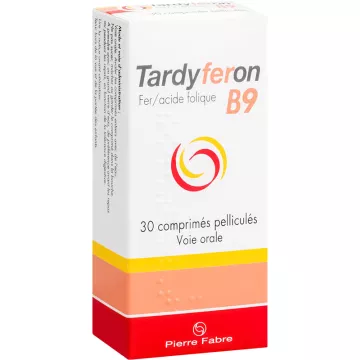
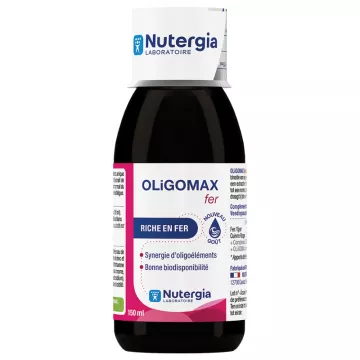
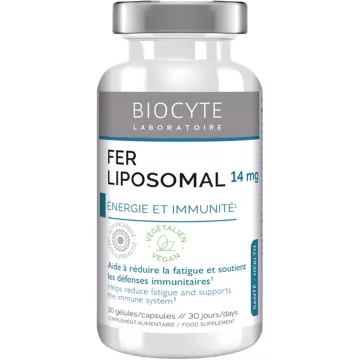
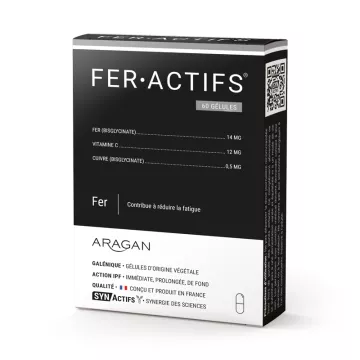
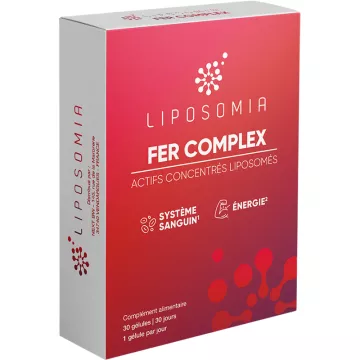
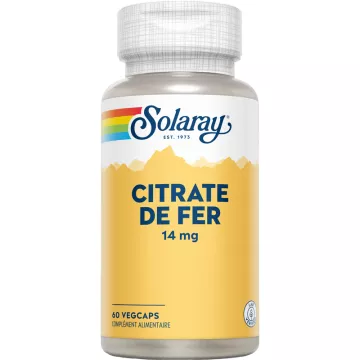
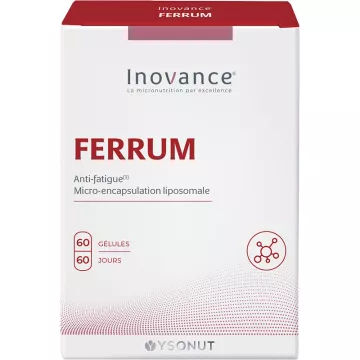
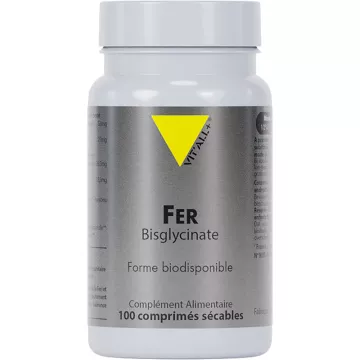
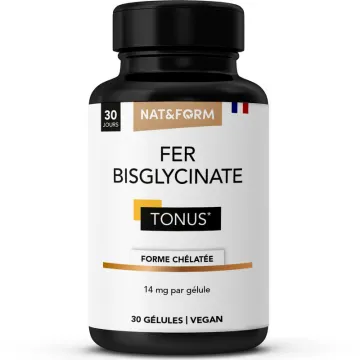
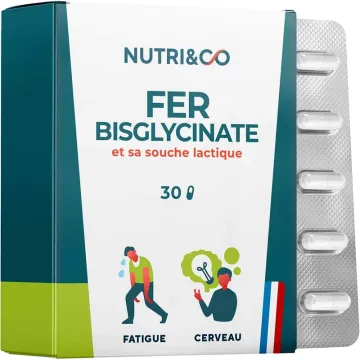
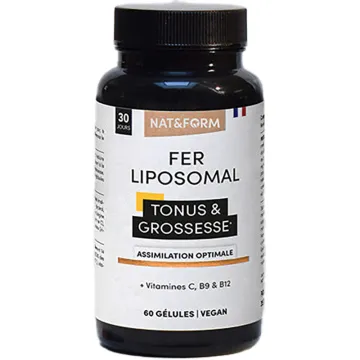
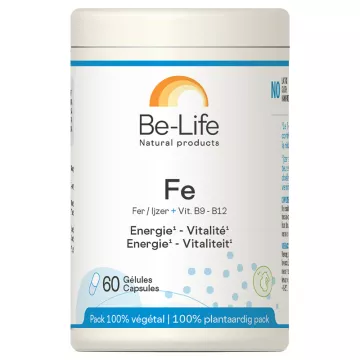
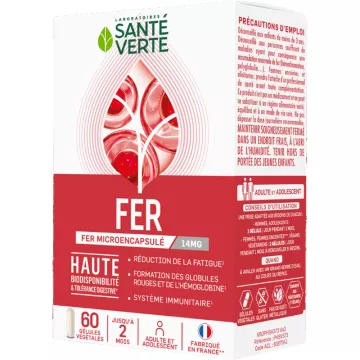
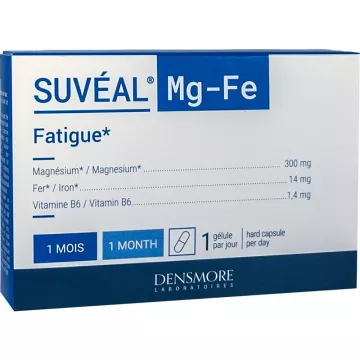
Iron is an essential mineral and a key component of hemoglobin, the protein in red blood cells responsible for transporting oxygen from the lungs to all tissues. It is also a component of myoglobin in muscles, plays a role in numerous enzymatic reactions, and contributes to the normal functioning of energy metabolism—which explains why a deficiency quickly leads to a marked feeling of fatigue, often the first noticeable sign.
Iron deficiency manifests as unusual fatigue, a pale complexion, shortness of breath during physical activity, headaches, and sometimes hair loss or brittle nails. When the deficiency persists over time without being corrected, it can progress to iron-deficiency anemia, characterized by low hemoglobin levels confirmed by a blood test, which then requires appropriate medical treatment rather than simple supplementation.
Dietary iron exists in two forms with very different absorption rates. Heme iron, found exclusively in animal products (red meat, organ meats, fish), is absorbed at a rate of 15 to 35 percent. Non-heme iron, found in legumes, whole grains, and green vegetables, is absorbed much less efficiently (2–20%), and its absorption depends heavily on the other foods consumed during the same meal.
Women of childbearing age are particularly at risk, especially if they have heavy periods, which significantly increase iron loss with each cycle. Pregnant women, vegetarians, and vegans (who rely solely on non-heme iron, which is less readily absorbed), as well as endurance athletes, are also at increased risk of deficiency, which should be monitored with a blood test if there is any doubt.
Vitamin C significantly improves the absorption of non-heme iron when consumed during the same meal, by converting ferric iron into ferrous iron, which is more easily absorbed by the body. Combining a food rich in vitamin C (citrus fruits, bell peppers, kiwis) with a plant-based source of iron is therefore a simple and effective way to optimize daily intake.
Tea, which is rich in tannins, strongly inhibits the absorption of non-heme iron when consumed during or immediately after a meal; it is best to space it out by at least one hour from taking iron supplements or eating meals rich in plant-based iron. Iron supplementation should never be started without a prior blood test, as excess iron can be toxic and mask an underlying condition requiring specific treatment—particularly in men and postmenopausal women, in whom isolated iron deficiency is less common and warrants investigation to determine the cause.