









Heavy periods —or menorrhagia—refer to menstrual bleeding that is excessive in volume (more than 80 ml per cycle) or duration (more than 7 days). The most obvious warning signs include needing to change your sanitary product every one to two hours, the presence of large blood clots, and symptoms of anemia: extreme fatigue, shortness of breath, or a pale complexion. Heavy periods can occur on their own or be accompanied by severe menstrual cramps.
There are many causes. Hormonal imbalances—excess estrogen, progesterone deficiency—lead to endometrial hyperplasia and increase the volume of tissue shed during each cycle. Uterine fibroids, endometrial polyps, and pelvic inflammatory disease are common organic causes. Thyroid disorders—hypothyroidism in particular—and bleeding disorders are also among the causes that should be investigated during a medical evaluation.
Diagnosis begins with a clinical examination and a detailed menstrual history. Blood tests measure hemoglobin—to screen for iron-deficiency anemia —and assess hemostasis to rule out a coagulopathy. A pelvic ultrasound looks for structural abnormalities: fibroids, polyps, and adenomyosis. A hysteroscopy or endometrial biopsy may be ordered to rule out endometrial hyperplasia or cancer in women at risk.
Treatment options target the identified cause. Hormonal contraceptives—such as the birth control pill or a hormonal intrauterine device (Mirena)—significantly reduce menstrual flow by limiting the thickness of the endometrium. Antifibrinolytic agents (tranexamic acid) help stop bleeding during menstruation. NSAIDs —ibuprofen, naproxen—reduce both the flow and associated pain. In cases of organic abnormalities (fibroids, polyps), targeted surgical treatment may be recommended.
In cases resistant to medication or when structural abnormalities are confirmed, surgery is an effective option. A myomectomy removes fibroids while preserving the uterus. Endometrial ablation destroys the uterine lining, providing long-lasting relief from heavy flow without removing the uterus. Hysterectomy is reserved for the most severe cases where all other options have failed and where the desire for pregnancy is no longer a consideration.
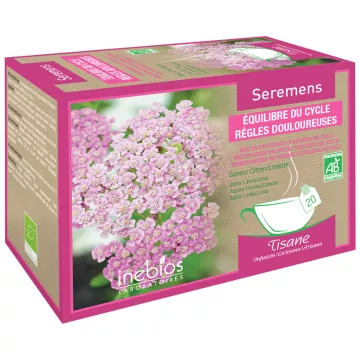
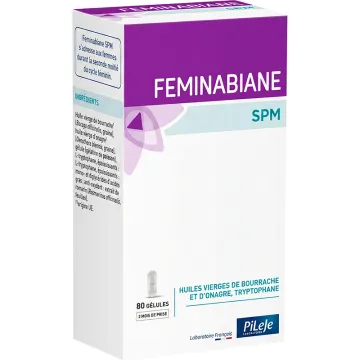
Certain natural approaches provide complementary support. Red raspberry, recognized in herbal medicine for toning the uterus, may help moderate menstrual flow.Stinging nettle, rich in iron and vitamin K, supports the replenishment of iron stores and may help reduce bleeding. Omega-3s have a beneficial anti-inflammatory effect on the prostaglandins responsible for uterine contractions. These remedies should always be approved by a healthcare professional.
Menorrhagia can significantly disrupt daily life, work, and social activities.The resultingiron-deficiency anemia causes chronic fatigue, reduced cognitive function, and shortness of breath during physical activity. Anxiety stemming from the unpredictability of menstrual flow and the need to change sanitary products frequently causes significant stress. It is essential to discuss these emotional aspects with your doctor to tailor treatment to your overall situation.
Maintaining a stable weight limits excess circulating estrogen produced by adipose tissue. A diet rich in iron, vitamin C, and omega-3 fatty acids supports uterine health and prevents anemia. Managing chronic stress—by limiting the resulting hormonal imbalance—helps stabilize menstrual cycles. An annual gynecological checkup allows for the early detection of structural abnormalities before they lead to severe bleeding.