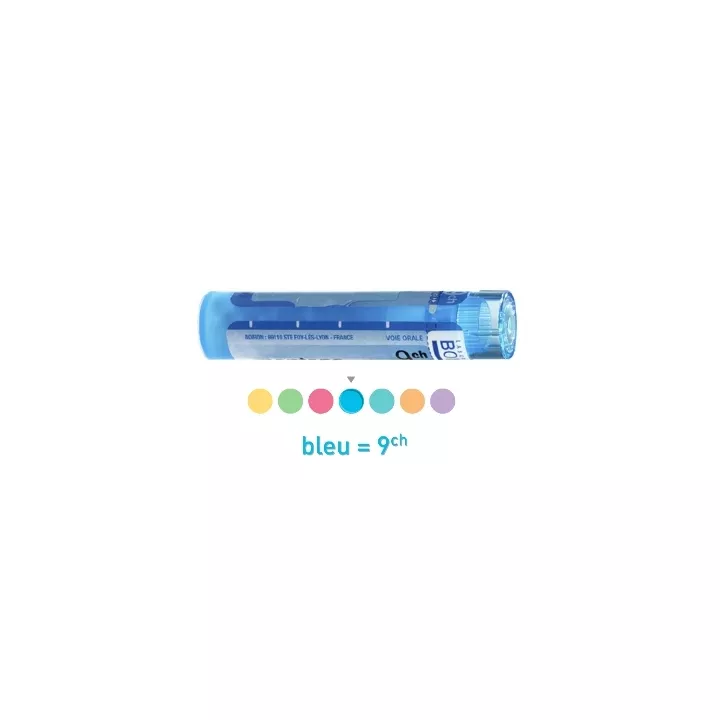
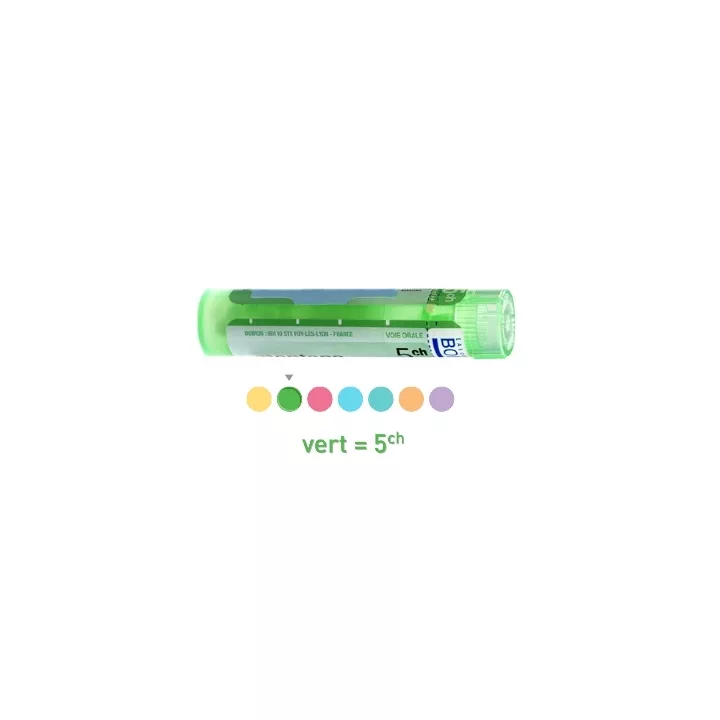
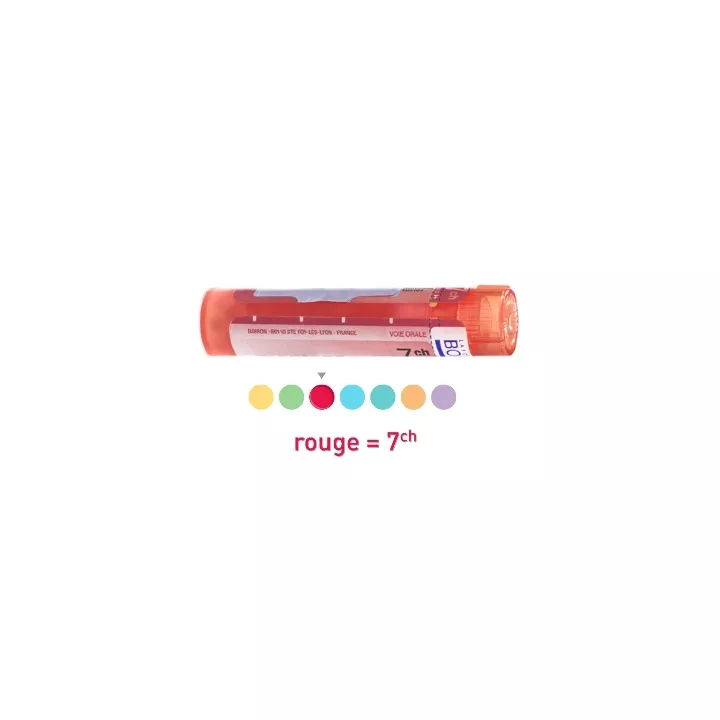
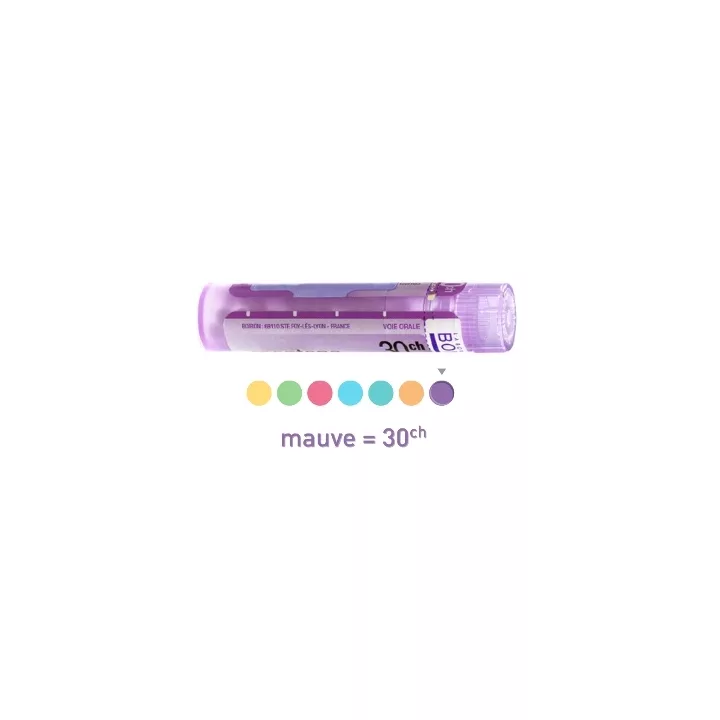
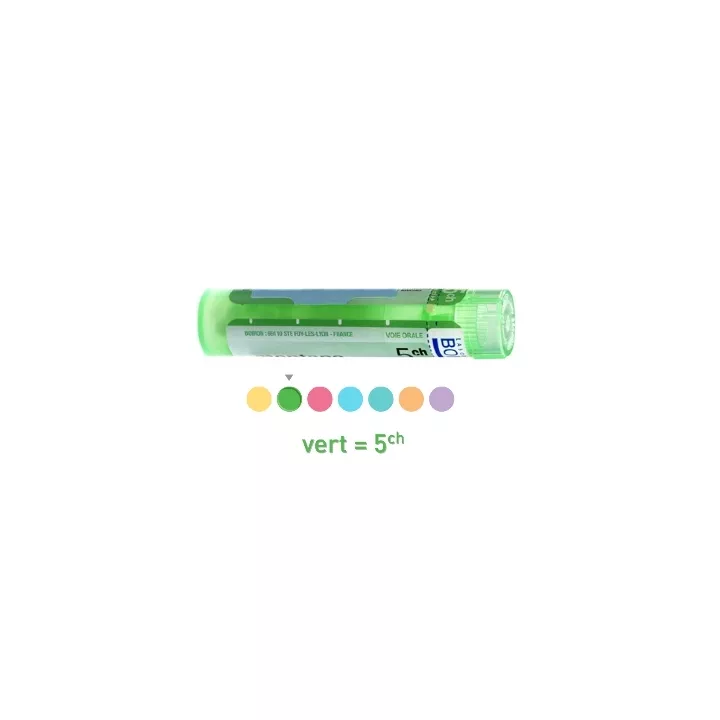
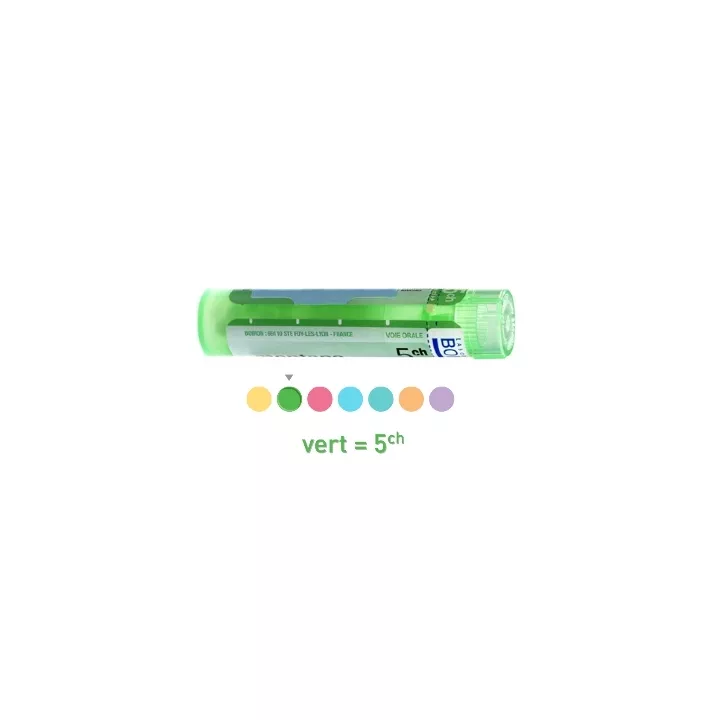
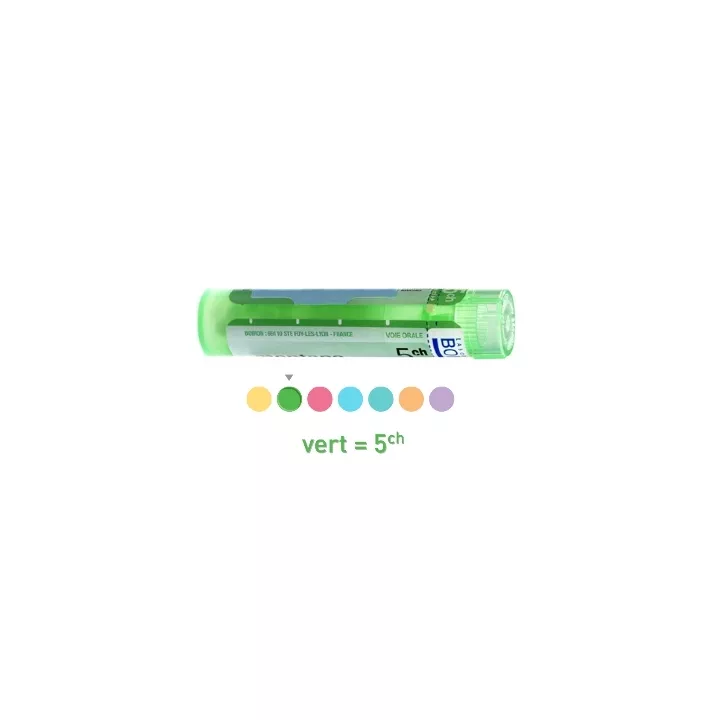
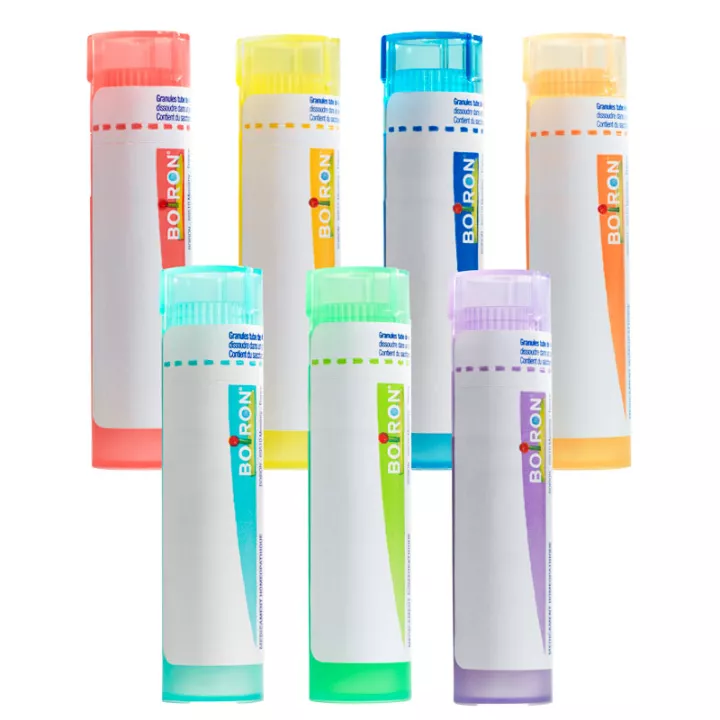
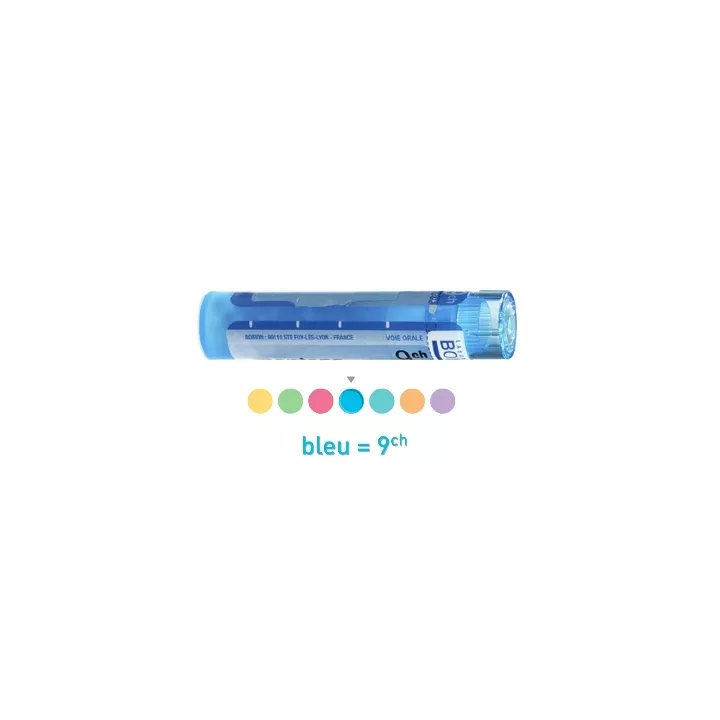
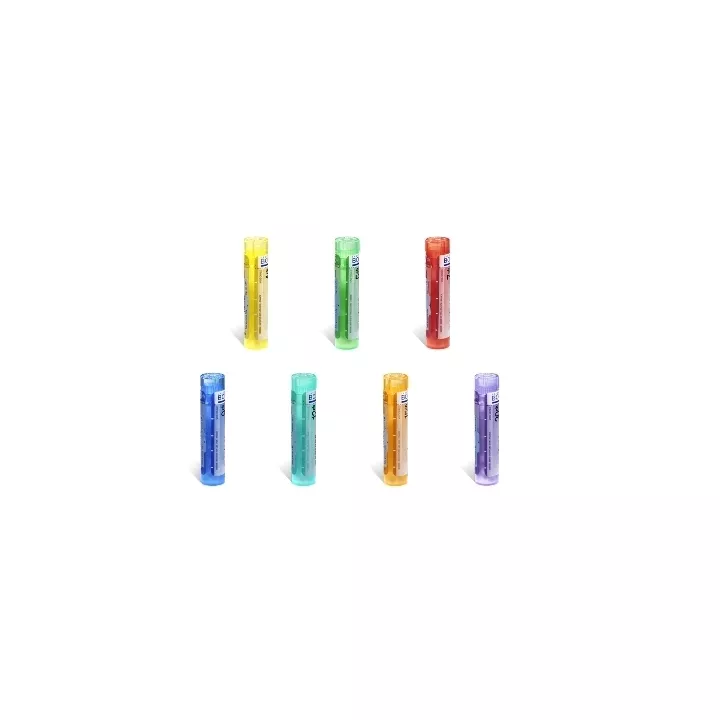
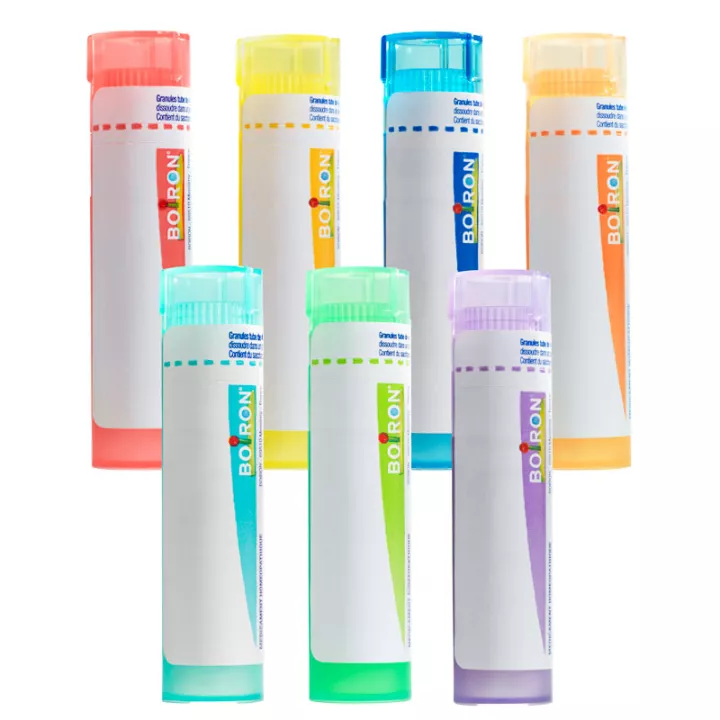
Kreosotum 5CH, 7CH, 9CH, 15CH, 30CH homeopathic granules by Boiron
Registered medication: EH01696
Source: Plant-based
Available in Korsakovian dilutions of 200K, 1,000K, 10,000K
The Benefits of Kreosotum in Homeopathy for Gynecological Conditions
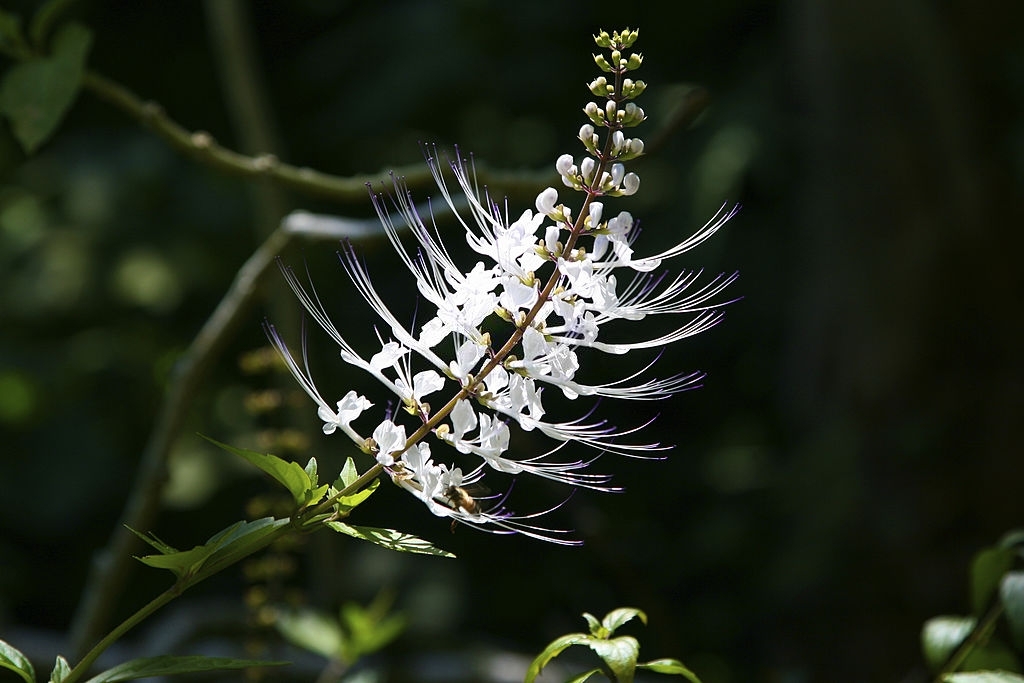
Kreosotum is a homeopathic remedy derived from beech extract, used to treat various gynecological conditions. It is very gentle and acts deeply without harming the body. Let’s explore together the benefits of Kreosotum in homeopathy for women.
Used in homeopathy, Kreosotum is indicated for treating numerous gynecological conditions. It acts gently without harming the body because it is prepared entirely from the extract of a plant: the beech tree. Furthermore, Kreosotum is used in various dilutions. To treat acute conditions, a low dilution of Kreosotum is recommended, as the goal is to treat a specific organ. High-dilution remedies are suitable for chronic conditions as part of a long-term treatment regimen.
Treatment of Gynecological Conditions with Kreosotum
Kreosotum is particularly indicated for the treatment of numerous gynecological conditions. It is often prescribed for heavy vaginal discharge, itching, burning, and pain during menstruation, vaginal infections, vaginal dryness, cystitis, urinary incontinence, etc.
Due to its antiseptic properties, Kreosotum can also help treat urinary tract infections. It is also effective in relieving menstrual cramps, fatigue, and depression that may occur during menstruation.
Kreosotum is gentle and safe
Kreosotum is a very gentle homeopathic remedy that works deeply without harming the body. It is made entirely from the extract of a plant, the beech tree, and therefore contains no chemicals.
Furthermore, Kreosotum has no undesirable side effects. However, it is important to follow the dosages prescribed by your homeopath and not to exceed the recommended duration of treatment.
Indications and Dosage
Homeopathic remedies can be used for a variety of symptoms, so it is not possible to specify the indications and dosage for a particular preparation. The homeopathic physician selects the appropriate remedy, dilution, and dosage based on the patient’s health condition and characteristic symptoms.
Main Indications in Gynecology
Kreosotum is indicated in gynecology to treat vaginitis and cervicitis. These conditions are characterized by yellow, foul-smelling vaginal discharge that irritates the labia. The mucous membranes bleed at the slightest touch, and patients experience a strong urge to urinate. It is also used to treat metrorrhagia, which is characterized by bleeding outside of the menstrual period. The bleeding may be intermittent, sometimes accompanied by a foul odor, and the discharge worsens at bedtime. Kreosotum is also used to treat menorrhagia, which is characterized by abnormalities such as heavy menstrual flow.
Kreosotum is also used to treat symptoms associated with menstruation in women. These symptoms, which appear before menstruation, may include headaches, abdominal bloating, and sometimes irritability.
Menstruation is sometimes accompanied by flatulence, constipation, and ringing in the ears. White discharge and stomachaches may occur after menstruation. Kreosotum is also recommended to regulate early menstruation accompanied by pain and heavy, black-colored bleeding.
Other indications for Kreosotum include infections affecting the genital organs, menopausal symptoms, and pregnancy. It is prescribed for women experiencing pain, burning, and itching in the vagina and labia. It is administered to treat yellowish-acidic vaginal discharge with a distinctive odor. Kreosotum is also indicated to relieve menopausal symptoms accompanied by light bleeding and irritation of the cervix.
Other Therapeutic Applications
Kreosotum is widely used to treat gynecological problems, such as infections and inflammations characterized by unpleasant discharge. It is also effective against dental conditions, particularly early-stage cavities in children and toothaches associated with profuse discharge. In the gastrointestinal tract, Kreosotum helps relieve the symptoms of gastritis and ulcers, where excessive secretions are a common problem.
Directions for Use
It is recommended that you avoid touching the homeopathic granules with your fingers. Use a mint-free toothpaste (such as Homéodent Boiron, a toothpaste compatible with taking homeopathic granules).
Kreosotum is a gentle and effective homeopathic remedy for treating many gynecological conditions. It is prepared from an extract of the beech tree and has no undesirable side effects. Feel free to consult your homeopath for more information on recommended dosages and the appropriate duration of treatment for your situation.
To alleviate menstrual discomfort and symptoms associated with menstruation, take 3 granules of Kreosotum 9 CH three times a day. To treat irritating yellow vaginal discharge that causes a burning sensation, take 3 granules of Kreosotum 5 CH three times a day. It is also possible to combine this treatment with trace mineral supplements.
To treat vaginitis and cervicitis, take a single dose of Kreosotum 9 CH in the morning and evening. At bedtime, supplement with the following trace elements depending on symptoms: Manganese–Copper (infectious condition), Zinc - Copper (oligorrhea), Manganese - Cobalt (menopause), Manganese - Copper - Cobalt (anemia). On even-numbered nights, add Hydrastis 9 CH, and on odd-numbered nights, replace it with Kreosotum 5 CH.
To relieve symptoms during pregnancy and afterchildbirth, take 3 granules of Kreosotum 9 CH 3 times a day. This treatment is also effective for white discharge accompanied by bleeding.
Kreosotum is used in various dilutions
Kreosotum is available in various dilutions. To treat acute conditions, low-dilution Kreosotum—such as 5CH or 9CH—is recommended. In this case, the goal is to treat a specific organ.
High-dilution remedies, on the other hand, are suitable for chronic conditions as part of a long-term treatment regimen. The most common dilutions for chronic treatments are 15CH and 30CH.
Packaging and Volume
Kreosotum, known for its plant-based origin and specific therapeutic applications, is a homeopathic remedy extracted from beech tar. Registered under number EH01696, this medicine is recognized for its effectiveness in treating various conditions, particularly those involving inflammation and abnormal secretions. Here is a detailed exploration of the characteristics and uses of Kreosotum in homeopathy.
Origin and Composition
Kreosotum is obtained through the distillation of beechwood tar, a method that isolates the active ingredients while removing potential toxic components. This process ensures that the remedy is safe for homeopathic use, where substances are used in very small quantities after a series of dilutions.
Availability and Forms of Preparation
Doses and Tubes: Kreosotum is available in doses and tubes, with various potencies such as 5 CH, 7 CH, 9 CH, 15 CH, and 30 CH. This variety allows practitioners to select the potency best suited to the patient’s symptoms and sensitivity.
Compounded Preparations: In addition, the remedy is available as compounded preparations, with Hahnemannian dilutions starting at 7 CH and Korsakovian dilutions available in 200K, 1,000K, and 10,000K, thus offering customized options to meet patients’ specific needs.
Precautions for Use
Warning
Contains sucrose.
Administering homeopathic granules to infants and children
For granules or alcohol-based drops, dissolve them in 100 ml of water. Since granules take a very long time to dissolve, you should prepare your mixture in advance.
Homeopathy and Pregnancy
Homeopathic remedies have no chemical toxicity, no contraindications, no interactions with other medications, and no adverse effects related to the amount ingested. Pregnant women can use them without any known risk to themselves or their unborn child, but it is best to seek advice.
Frequency of Homeopathic Use
For acute conditions, it is recommended to take homeopathic remedies every hour until symptoms improve. Once symptoms improve, doses should be spaced out to 3 or 4 times a day, then gradually discontinued.
For chronic conditions, remedies in low dilutions (>9CH) are taken 1 to 2 times a day, while constitutional remedies are taken once a week or even once a month. This decision is up to the homeopath.
What to Do If There Is No Improvement Within 24 Hours
Certain conditions cannot be treated with homeopathy through self-medication alone. Their severity requires medical advice, which can be provided by a homeopathic physician. This physician will determine whether your condition can be treated with homeopathy alone or whether your treatment needs to be supplemented with allopathic medicine.