A vaginal infection refers to any inflammation or infection affecting the vagina, characterized by itching, burning, pain during intercourse, and unusual discharge. The three most common types are vaginal yeast infection (candidiasis), bacterial vaginosis, and trichomoniasis—each with a distinct cause and treatment, making a medical diagnosis essential before any treatment.
Vaginal infections generally result from an imbalance in the vaginal pH or vaginal flora, which allows pathogenic bacteria or yeast to thrive. Antibiotics, vaginal douches, hormonal imbalances related to pregnancy or menopause, and wearing clothing that is too tight or damp are among the most common risk factors. Some infections are also sexually transmitted.
These two infections have different characteristics. A vaginal yeast infection is characterized by intense itching, redness, and a thick, white discharge resembling cottage cheese. Bacterial vaginosis, on the other hand, typically produces a thin, grayish discharge with a characteristic fishy odor that becomes more pronounced after sexual intercourse. These differences help guide the diagnosis, but only a vaginal swab analyzed by a healthcare professional can provide a definitive diagnosis and ensure appropriate treatment.
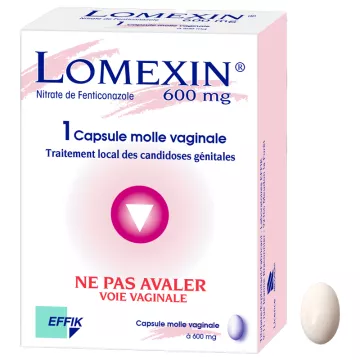
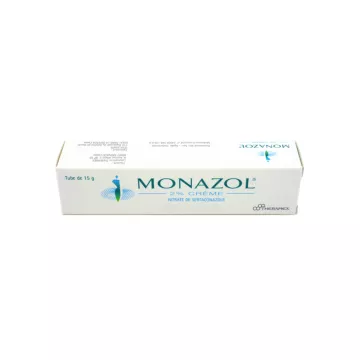
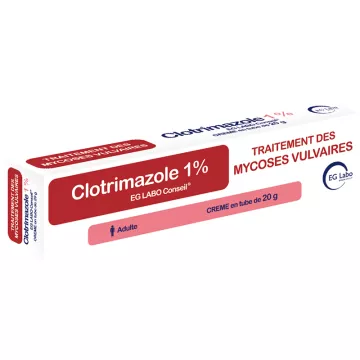
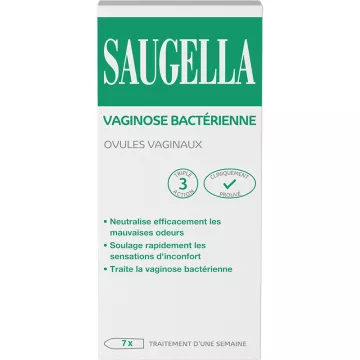
Treatment depends on the type of infection. Antifungal medications—such as vaginal suppositories or creams—treat vaginal candidiasis. Antibiotics, prescribed by a doctor, target bacterial vaginosis and trichomoniasis. Probiotics, particularly those containing lactobacilli, restore the vaginal flora and help prevent recurrences. No treatment should be started without a prior medical diagnosis, as this could worsen the imbalance.
Prevention relies on a few simple habits. Maintaining proper intimate hygiene —without scented soaps or harsh sprays that disrupt the pH balance—is the first step. Wearing cotton underwear, avoiding tight-fitting clothing, and thoroughly drying the genital area after showering help limit moisture, which can promote yeast overgrowth. Avoiding vaginal douches helps preserve the natural protective flora.
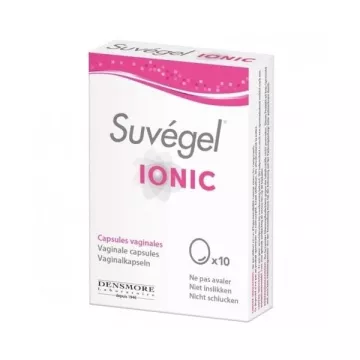
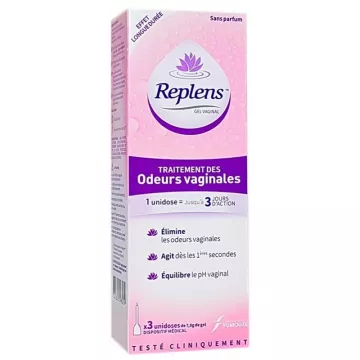
A normal vaginal pH, ranging from 3.8 to 4.5, maintains a slightly acidic environment that inhibits the growth of pathogens. An imbalance—toward alkalinity—promotes bacterial vaginosis, while a disrupted pH can also cause vaginal irritation. This pH is delicate and can be altered by antibiotics, unprotected sex, or hormonal fluctuations. Rebalancing gels or ovules can sometimes help restore it quickly.
Yes. Some women develop recurrent vaginal infections, particularly yeast infections, due to a persistent imbalance in the vaginal flora or a weakened immune system. Hormonal changes related to pregnancy, menopause, or birth control can also increase susceptibility. Regular courses of probiotics and paying attention to triggering factors can reduce the frequency of recurrences.
You should see a doctor as soon as symptoms appear if you have never had a similar infection before, if standard treatments are ineffective, if symptoms worsen rapidly, or if they are accompanied by fever and pelvic pain. These symptoms may indicate pelvic inflammatory disease, a serious complication that can affect fertility if not treated promptly.