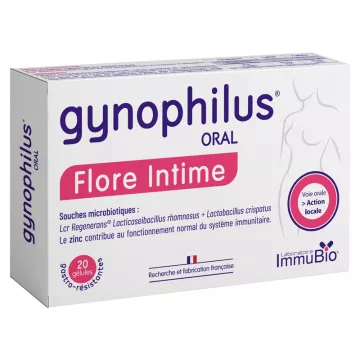
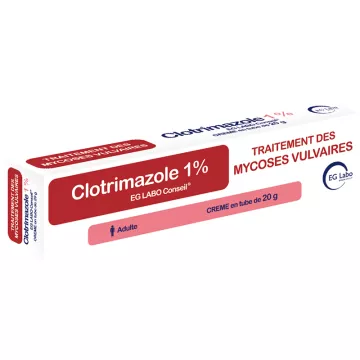
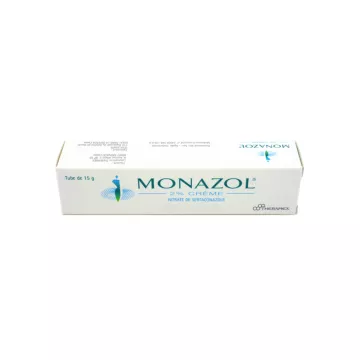
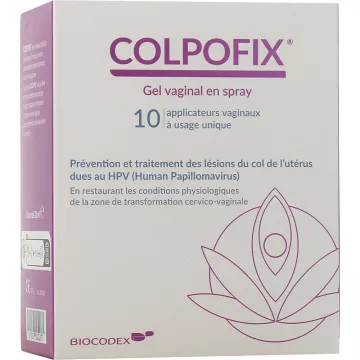
The vaginal flora is the dominant microbiota of the vaginal mucosa—a community of lactobacilli that influences not only vaginal health but also urinary tract protection, reproductive health, and intimate comfort throughout life. Its balance naturally varies according to the hormonal cycle and life stages. Explore our line of products for vaginal health and intimate comfort.
Vaginal flora and urinary tract infections: what’s the connection?
The vaginal flora is the first line of defense against the colonization of the urinary tract by pathogenic bacteria.
- Vaginal lactobacilli produce bacteriocins and hydrogen peroxide, which inhibit colonization by E. coli —the primary cause of recurrent cystitis
- Vaginal dysbiosis (a decrease in lactobacilli) creates a vulnerable pathway between the perineum and the urethra—women with bacterial vaginosis have an increased risk of cystitis
- L. crispatus is the strain that provides the greatest protection against recurrent urinary tract infections—its dominant presence in the vaginal flora is inversely correlated with the risk of cystitis
- Oral probiotics containing L. rhamnosus GR-1 + L. reuteri RC-14: documented to reduce cystitis recurrences by restoring the vaginal flora
- See our urinary comfort and urinary tract product line
Vaginal flora and the menstrual cycle?
The composition of the vaginal flora naturally fluctuates throughout the cycle—variations you should be aware of to take better action.
- Follicular phase (after menstruation): Estrogens increase glycogen production by vaginal cells—a substrate that promotes the growth of lactobacilli, and the vaginal flora gradually strengthens
- Ovulation: estrogen peak, maximum dominance of lactobacilli, most acidic pH
- Luteal phase: slight diversification of the flora, transient increase in certain anaerobic species
- Menstruation: Blood temporarily alkalizes the vaginal pH (5–7)—a period of greatest vulnerability to dysbiosis and vaginosis
- During your period: change tampons and pads every 4 to 6 hours — see our line of panty liners
Vaginal flora during pregnancy?
Pregnancy induces profound and protective changes in the vaginal flora.
- Elevated estrogen levels during pregnancy increase vaginal glycogen—the flora simplifies, shifting toward increased dominance of L. crispatus, with less diversity but enhanced protection
- This L. crispatus -enriched flora seeds the infant during vaginal delivery—initial bacterial colonization is critical for the infant’s immunity
- Untreated bacterial vaginosis during pregnancy increases the risk of premature rupture of membranes and preterm birth—gynecological screening is essential
- Probiotics during pregnancy: consult a healthcare provider first — certain strains (L. rhamnosus GG) have a documented safety profile
Vaginal flora during menopause?
Menopause is the period of greatest vulnerability for the vaginal flora throughout a woman’s life.
- The drop in estrogen reduces vaginal glycogen—lactobacilli lack a substrate and decrease significantly
- Vaginal pH rises to 5.5–7—an environment favorable to pathogenic bacteria and yeast
- Vulvovaginal atrophy (dryness, irritation, dyspareunia): common after menopause—moisturizing vaginal gels and local estrogens (prescription only) support the mucosa
- Topical probiotics containing L. crispatus or oral probiotics containing L. rhamnosus: support the partial restoration of the flora during periods of estrogen deficiency
Nutrition and vaginal flora: which active ingredients?
Diet indirectly but significantly influences the composition of the vaginal flora.
- Dietary probiotics (plain yogurt, kefir): daily intake of live Lactobacillus that supports the vaginal flora via the intestinal-perineal pathway
- Reduce added and refined sugars: high blood glucose promotes the proliferation of Candida albicans —a documented link between hyperglycemia and recurrent vaginal yeast infections
- Avoid excessive alcohol consumption: it disrupts the gut flora, on which the vaginal flora indirectly depends
- Probiotics and lactic acid bacteria as supplements: a 1-month course, which can be repeated, particularly after antibiotic treatment or as seasonal prevention against vaginal infections