Lactobacilli are a genus of Gram-positive, lactic acid-producing bacteria that occur naturally in the gut, vaginal, and oral microbiota. They constitute the most widely used group of probiotic bacteria in dietary supplements—hundreds of strains are commercially available, each with specific, well-documented indications. Check out our selection of lactic acid bacteria and probiotics.
What are Lactobacilli?
The genus Lactobacillus was recently reorganized taxonomically (2020)—it was split into 23 distinct genera. In commercial practice, the term “lactobacilli” still refers to lactic acid-producing bacteria, including Lactobacillus, Lacticaseibacillus (formerly L. casei/rhamnosus), Ligilactobacillus (formerly L. salivarius), Limosilactobacillus (formerly L. reuteri). They produce lactic acid through the fermentation of carbohydrates, lowering the local pH and creating an environment hostile to pathogens. These should be distinguished from bifidobacteria —two complementary probiotic genera with different colonic niches.
Which Lactobacillus strains are suitable for which uses?
Each strain has its own documented indications—Lactobacilli are not interchangeable.
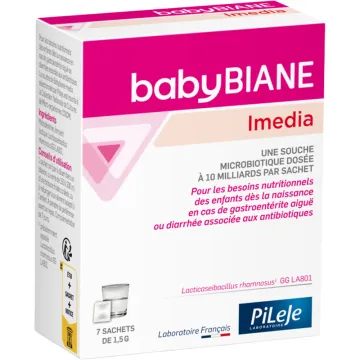
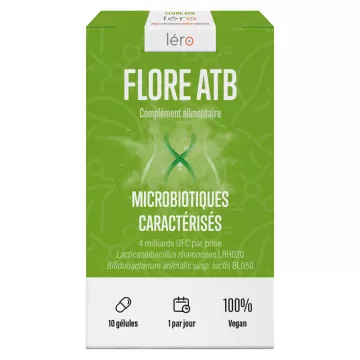
- L. rhamnosus GG (LGG): the most extensively studied probiotic strain in the world—the gold standard for acute diarrhea in children, post-antibiotic diarrhea, and the prevention of traveler’s diarrhea
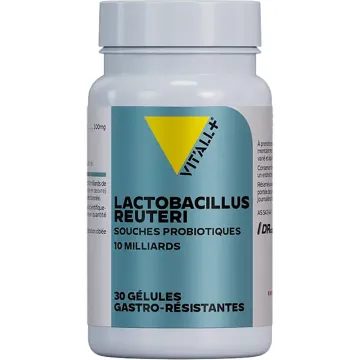
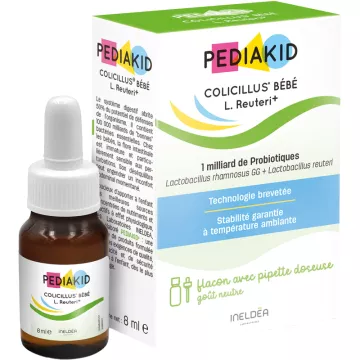
- L. reuteri DSM 17938: infant colic, spitting up, pediatric constipation—the gold standard pediatric strain
- L. plantarum 299v: digestive comfort and irritable bowel syndrome—reduction of bloating and abdominal pain in several clinical trials
- L. acidophilus NCFM: lactose digestion, intestinal immunity, vaginal health—a well-tolerated, versatile strain
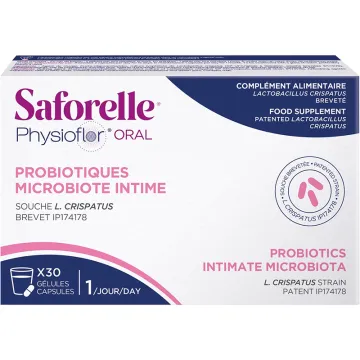
- L. crispatus: vaginal flora — the species offering the greatest protection against bacterial vaginosis and recurrent urinary tract infections
- L. rhamnosus GR-1 + L. reuteri RC-14: the gold standard combination for restoring the vaginal flora via oral administration — see vaginal yeast infections and vaginal infections
Lactobacilli and Gut Health?
Lactobacilli primarily colonize the small intestine—complementing the bifidobacteria that dominate the colon.
- Lactic acid production lowers the pH of the small intestine — competitively inhibits enteropathogens (Salmonella, enterotoxigenic E. coli )
- Strengthening of epithelial tight junctions—supporting the intestinal barrier
- Stimulation of secretory IgA—antibodies that form the first line of mucosal defense
- Improved lactose digestion: L. acidophilus and L. delbrueckii produce lactase—beneficial for people with lactose intolerance
- After antibiotic therapy: L. rhamnosus GG + Saccharomyces boulardii — standard protocol — see lactic acid bacteria
Lactobacilli and the vaginal and intimate flora?
A healthy vaginal microbiota consists almost exclusively of lactobacilli—their protective role is unique.
- Production of lactic acid (pH 3.8–4.5) and hydrogen peroxide—a chemical barrier against Candida albicans and the anaerobic bacteria associated with vaginosis
- L. crispatus: the most protective species—its dominance is correlated with the absence of vaginosis and a lower risk of recurrent cystitis
- Oral probiotics (L. rhamnosus GR-1 + L. reuteri RC-14): proven vaginal colonization via the oral route through perineal transit
- Topical probiotics (probiotic ovules, tampons): direct action at the site — see intimate comfort and probiotic tampons
How to Choose a Lactobacillus Supplement?
The quality of a lactobacillus supplement is assessed based on specific technical criteria.
- Identified strain: genus + species + strain number (e.g., L. rhamnosus GG)—a generic designation such as “Lactobacillus spp.” is insufficient
- Guaranteed CFU count at expiration: 5 to 50 billion depending on the indication — always as of the expiration date, not the date of manufacture
- Gastric resistance: HPMC enteric-coated capsules, DRcaps, or microencapsulation—lactobacilli are sensitive to the stomach’s acidic pH
- Immunocompromised individuals (chemotherapy, HIV, transplant recipients): Medical advice is essential before taking any live probiotic supplements
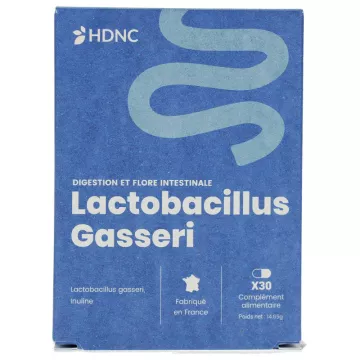
- Combine with prebiotics (inulin, FOS) in synbiotic formulations to enhance the effect of the lactobacilli provided