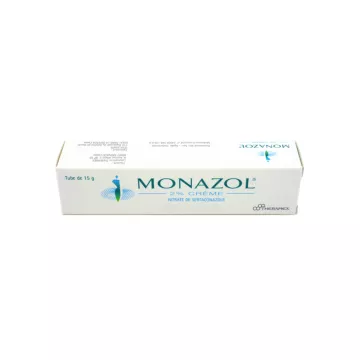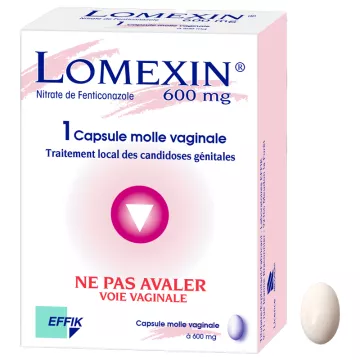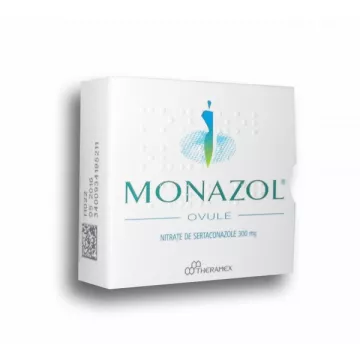

Recurrent vaginal yeast infections are defined as a condition in which a woman experiences at least four episodes of vaginal candidiasis per year. Far from being inevitable, these recurrences almost always indicate one or more unaddressed contributing factors. Identifying these factors precisely—whether hormonal, dietary, immune, or behavioral—is the key to long-term management, beyond simply treating the acute episode.
Recurrent gynecological yeast infections often result from a persistently imbalanced vaginal microbiome. Chronic stress raises cortisol levels and weakens local immunity. A diet high in simple sugars provides an ideal substrate for Candida. Repeated courses of antibiotic therapy destroy the protective lactobacilli with each treatment. Hormonal fluctuations related to birth control or the menstrual cycle alter the vaginal pH. Uncontrolled diabetes and certain underlying immune disorders round out the list of factors to explore with a healthcare professional.
The clinical diagnosis is based on symptoms—itching, burning, and thick, whitish discharge—but a vaginal swab is necessary in cases of recurrence. Culture testing precisely identifies the Candida strain responsible: certain non-albicans species (Candida glabrata, tropicalis) are resistant to standard antifungals. This evaluation is essential to avoid repeated ineffective treatments and to distinguish a yeast infection from other vaginal infections that require different treatment.
In cases of recurrence, one-time treatment is no longer sufficient. A prolonged antifungal regimen—weekly fluconazole for six months—is often recommended under medical supervision. At the same time, a course of probiotics containing enhanced lactobacilli restores a stable and resilient vaginal flora. These two approaches combined yield the best long-term results for breaking the cycle of repeated episodes.
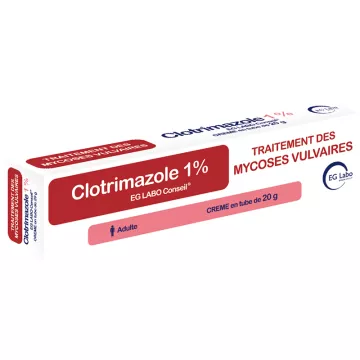
Pregnancy increases the risk of a vaginal yeast infection due to elevated estrogen levels and increased vaginal glycogen. However, certain oral antifungal treatments are contraindicated during this time. Topical clotrimazole creams and vaginal suppositories are the safest and best-tolerated option. Regular gynecological follow-up allows the treatment to be adjusted according to the trimester. Gentle intimate hygiene and a diet low in refined sugars reduce the risk of recurrence during pregnancy.
Yes. Candida albicans feeds on glucose and proliferates more easily when local blood sugar levels are high. Reducing simple sugars—sweets, sodas, white flour—deprives the fungus of its growth substrate. Incorporating fermented foods—plain yogurt, kefir, lacto-fermented vegetables—supports the gut and vaginal microbiome. Some experts also recommend limiting yeast-containing foods during periods of recurrence. A comprehensive anti-inflammatory diet supports immunity and reduces susceptibility to fungal infections.
Yes. Itching, burning, and vaginal discomfort make sexual intercourse painful and less desirable. Although vaginal candidiasis is not classified as a sexually transmitted infection, sexual activity can worsen symptoms and contribute to mutual reinfection. It is advisable to treat the infection completely before resuming sexual activity, and to consider simultaneous treatment of the partner in cases of frequent recurrences despite proper treatment.
A doctor’s visit is necessary after the second recurrence within a year or when standard antifungal treatment proves ineffective. The doctor may order hormonal, blood sugar, and immune system tests to identify contributing factors. A referral to a gynecologist is recommended in cases of resistant or very frequent yeast infections. Some complex cases require antifungal treatment tailored to the identified strain and follow-up over several months to achieve lasting remission.