0
Menu
MycoHydralin 1% Vulvar Yeast Infection Vaginal Cream 20 g
Over-the-counter medication

MycoHydralin 1% Vulvar Yeast Infection Vaginal Cream 20 g

Brand : Hydralin Hydralin

MYCOHYDRALIN 1% cream for vulvar yeast infections

€6.85 EXCL. VAT €7.54 INCL. VAT
This product is an over-the-counter medication. Please consult the package insert before ordering online.
In stock Shipped within 24h Secure payment
Reference : 3400934194788
4.8 / 5
(11Reviews)
You must be logged in to add this product to a list. Customer login
See delivery conditions

Our doctors of pharmacy advise you

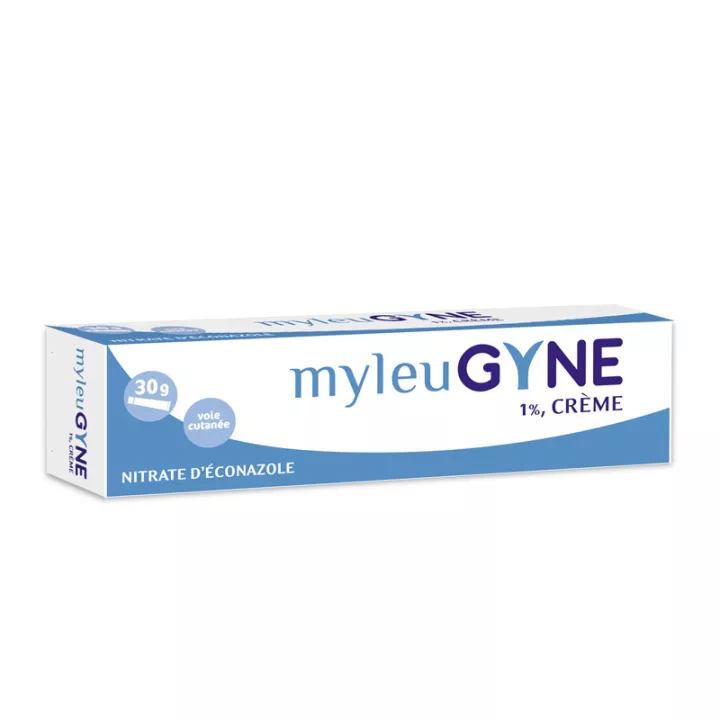
Myleugyne 1% CREAM, 30g TUBE Myleugyne 1% CREAM, 30g TUBE
€4.09
Add to cart
Shipped within 24h
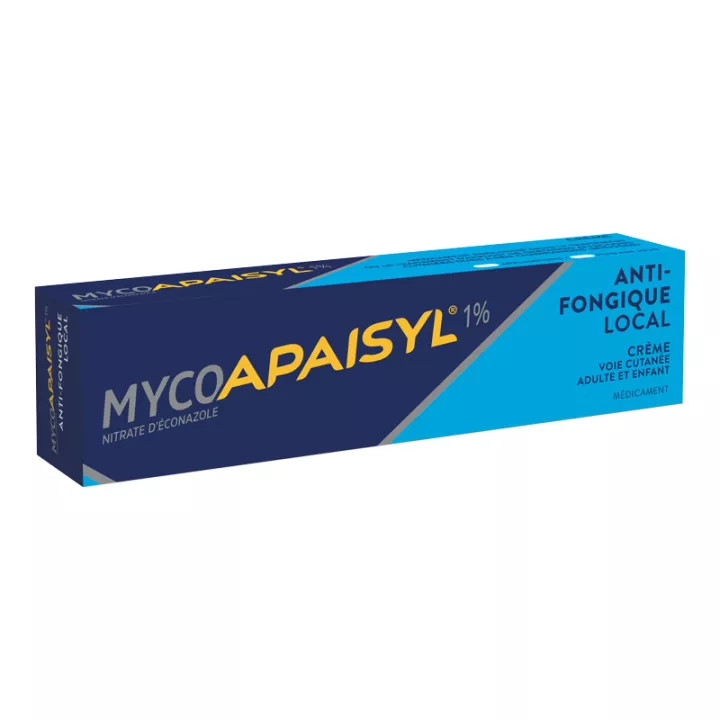
MycoApaisyl 1% Antifungal Cream 30g MycoApaisyl 1% Antifungal Cream 30g
€5.99
Add to cart
Shipped within 24h
MycoSédermyl 1% Cream, 30g Tube MycoSédermyl 1% Cream, 30g Tube
€4.49
Add to cart
Ships in 5-7 business days

MYCOHYDRALIN 1% Antifungal Cream

For warnings, precautions, and contraindications, please refer to the package insert for MYCOHYDRALIN 1% Antifungal Cream.

An effective treatment for a sensitive area

Vulvar yeast infections can be extremely uncomfortable and affect your quality of life. Fortunately, Mycohydralin 1% Cream is here to provide you with fast and effective relief. This cream, specially formulated to treat vulvar yeast infections, is your ally in the fight against fungal infections in the vulvar area. Don’t let itching and irritation get in your way. Choose Mycohydralin 1% Cream and regain optimal intimate comfort.

A gentle formula for safe application

Mycohydralin 1% Cream contains an optimal concentration of antifungal agent to effectively target the fungi responsible for vulvar yeast infections. Its gentle, non-irritating formula is specially adapted for the sensitive vulvar area, ensuring safe application. Thanks to its antifungal properties, this cream acts quickly to relieve unpleasant symptoms and promote healing. Trust Mycohydralin 1% Cream to restore long-lasting intimate comfort.

Available for your intimate well-being

Your intimate well-being is our priority. That’s why we carry Mycohydralin 1% Cream in our pharmacy. You can purchase this cream with confidence, knowing it provides effective relief from vulvar yeast infections. Don’t let fungal infections disrupt your daily life. Get Mycohydralin 1% Cream today and regain the peace of mind you deserve.

Description of MYCOHYDRALIN 1% Antifungal Cream

Commonly known as yeast infections, vaginal infections are extremely common. They account for 20% of all laboratory tests. The discomfort and pain can be so severe that they sometimes require a visit to the pharmacist.

Once the infection sets in, the symptoms of vulvar yeast infections are unmistakable:

  • Constant itching of the vulva and vaginal opening
  • Thick, creamy white discharge
  • A burning sensation in the vagina during urination
  • Sexual intercourse that becomes increasingly painful
  • Bright red, swollen vulva.

Indications for MYCOHYDRALIN 1% Antifungal Cream for the Vulva

This medication is recommended for the treatment of certain skin conditions caused by microscopic fungi (mycoses): candidiasis, dermatophytosis, pityriasis versicolor, and erythrasma.

Directions for Use and Dosage of MYCOHYDRALIN 1% Vulvar Antifungal Cream

The product should be applied topically in the morning and evening after washing and drying the affected areas. After application, gently massage the cream into the skin until it is fully absorbed. The duration of treatment depends on the type of fungus causing the infection.

  • CANDIDIASIS - Intertrigo candidiasis: the duration of treatment is 1 to 2 weeks. - Interdigital candidiasis: the duration of treatment is 1 to 2 weeks. - Candidal onychia and perionychia: the duration of treatment is 2 months.
  • DERMATOPHYTOSIS - Intertrigo of the toes: the treatment duration is 2 to 4 weeks (up to 6 weeks). - Cutaneous trichophytosis: the treatment duration is 2 to 4 weeks. - Sycosis and kerions: the treatment duration is 6 weeks. - Dermatophytic onychia: the treatment duration is 6 months or longer.
  • PITYRIASIS VERSICOLOR: The treatment duration is 2 to 3 weeks.
  • ERYTHRASMA: The treatment duration is 1 week.

We recommend a natural preventive treatment with theLACTIBIANE CND 10M Pilejedietary supplement, which helps restore vaginal and intestinal flora in cases of intimate discomfort (vaginal yeast infections).

For the maintenance phase, we recommend the LACTIBIANE CND 5M Pileje dietary supplement.

As a supplement to treatment and in the event of a recurrence, our naturopathic pharmacists recommendPHYSIOFLOR LP Probiotic Vaginal Tabletsto help prevent vaginal yeast infections by restoring and maintaining the vaginal flora

Product Information for MYCOHYDRALIN 1% Antifungal Cream

20-gram tube

Medication Warnings

Please note: MYCOHYDRALIN 1% antifungal cream 20G is not like other products. Read the medication guide carefully before ordering. Keep medications out of the reach of children. If symptoms persist, consult your doctor or pharmacist. Be aware of potential interactions with your current medications.

  • Please inform your online pharmacist of any current treatments to identify potential interactions. The order confirmation form includes a custom message field for this purpose.
  • Click here to view the package insert for this medication on the website of the French National Agency for Medicines and Health Products Safety (ANSM).
  • Pharmacovigilance: Report one or more adverse effects related to the use of a medication

How long does it take to feel the effects of Mycohydralin 1% Cream?

The effects of Mycohydralin 1% Cream may vary from person to person, but generally, you may experience relief from symptoms within the first few days after application.

Can I use Mycohydralin 1% Cream while pregnant or breastfeeding?

It is recommended that you consult a healthcare professional before using Mycohydralin 1% Cream during pregnancy or while breastfeeding to determine if it is appropriate for your specific situation.

Are there any side effects associated with using Mycohydralin 1% Cream?

Side effects from Mycohydralin 1% Cream are rare but may include skin reactions such as redness or itching. If you experience persistent side effects, please consult a healthcare professional.

Can I use Mycohydralin 1% Cream if I have an allergy?

If you are allergic to any of the ingredients in Mycohydralin 1% Cream, it is best not to use it. Consult a healthcare professional for appropriate alternatives.

Can I use Mycohydralin 1% Cream long-term?

It is recommended that you do not use Mycohydralin 1% Cream long-term without consulting a healthcare professional. If symptoms persist, consult your doctor.

Pharmacovigilance Report an adverse drug reaction(s)

Download PDF leaflet

NOTICE

ANSM - Updated on: 28/04/2015

Name of the medicinal product

MYCOHYDRALIN cream

clotrimazole

framed

Read this leaflet carefully before you start using this medicine. It contains important information for your treatment.

If you have any further questions, ask your doctor or pharmacist.

· Keep this leaflet, you may need to read it again.

· If you need more information and advice, ask your pharmacist.

· If symptoms worsen or persist, consult a physician.

· If you notice any side effects not listed in this leaflet, or if you experience any of the effects listed as serious, please tell your doctor or pharmacist.

Review summary

In this notice :

1. What is MYCOHYDRALIN, cream and in which cases is it used?

2. What should be known before using MYCOHYDRALIN, cream ?

3. How to use MYCOHYDRALIN, cream?

4. What are the possible side effects?

5. How to store MYCOHYDRALIN, cream?

6. Additional information.

1. WHAT IS MYCOHYDRALIN, cream AND WHAT IT IS USED FOR?

Pharmacotherapeutic group

LOCAL ANTIFUNG

(G: Genitourinary system and sex hormones)

Therapeutic indications

This medication is indicated for the treatment of vulvar infections of vulvo-vaginal mycoses with sensitive yeasts (diseases due to microscopic fungi).


This medication is for adults only.

2. WHAT ARE THE INFORMATION TO BE KNOWN BEFORE USING MYCOHYDRALIN, cream?

List of information needed before taking the medication

Not applicable.

Cons-indications

Never use MYCOHYDRALIN, cream in the following cases:

· Allergy (hypersensitivity) to imidazol derivatives or any of the other ingredients mentioned in "Additional Information".

Precautions for use; special warnings

Warnings and Precautions


Take special care with MYCOHYDRALIN cream :

· Avoid application near eyes.

· In case of application to an injured skin, it is imperative that you observe the recommendations and the dosage indicated by your doctor due to the penetration of the product under these circumstances.

· If you experience any of the following symptoms, before or during the use of MYCOHYDRALIN, please seek advice from your doctor:

o fever, nausea, vomiting,

o low abdominal pain,

o pain in the back or shoulders,

o vaginal secretions accompanied by bad odors,

o vaginal haemorrhage.

· In case of candidiasis, it is advised not to use a soap with acid pH (pH favoring the multiplication of Candida).

· Vaginal douches should be avoided.

· The use of internal buffers, spermicides, condoms or diaphragms should be avoided during treatment with MYCHOHYDRALIN (risk of rupture of the condom or diaphragm)

· It is recommended to avoid sexual intercourse in case of vaginal vulvar mycosis in order to reduce the risk of infection of the partner

· Your doctor may also treat your sexual partner to avoid recontamination

· Treatment may result in local burning sensations and increased itching. Generally, these phenomena yield spontaneously to the continuation of the treatment. If symptoms persist beyond 24 to 48 hours, consult your doctor.

· This medicinal product contains cetostearyl alcohol and may cause local skin reactions (eg eczema).

Interaction with other medicines

Taking or using other medicines:

Please tell your doctor or pharmacist if you are taking or have recently taken any other medicines, even medicines obtained without a prescription.

Interactions with food and beverages

Not applicable.

Interactions with Herbal Medicines or Alternative Therapies

Not applicable.

Use during pregnancy and lactation

Pregnancy

Use of this medication is possible during pregnancy. However, as a precautionary measure, it is best to avoid using the product during the first trimester of pregnancy.

Ask your doctor or pharmacist for advice before taking any medicine.

feeding

It is possible that clotrimazole passes into breast milk. As a precaution, breast-feeding should be discontinued for the duration of treatment.

Ask your doctor or pharmacist for advice before taking any medicine.

Sport

Not applicable.

Effects on ability to drive or use machines

Not applicable.

List of excipients with known effect

Important information about some of the ingredients of MYCOHYDRALIN, cream:

This medicine contains stearyl alcohol.

3. HOW TO USE MYCOHYDRALIN, cream?

Instructions for proper use

Not applicable.

Dosage, Mode and / or route (s) of administration, Frequency of administration and Duration of treatment

Method and route of administration

Do not swallow.

The product should be used twice a day after careful washing and drying of the lesions to be treated.

Duration of treatment

The duration of the treatment is 1 week.

Regular use of the product throughout the course of treatment is critical to successful treatment.

If symptoms persist beyond 7 days, a medical consultation should be considered.

Symptoms and Instructions for Overdose

Not applicable.

Instructions for omission of one or more doses

Not applicable.

Risk of withdrawal syndrome

Not applicable.

4. WHAT ARE POSSIBLE SIDE EFFECTS?

Description of adverse reactions

Like all medicines, MYCOHYDRALIN cream is likely to have side effects, although not everyone is subject to it:

· Urticaria, rash, pruritus, irritations, burns, edema;

· Syncope, hypotension, dyspnea;

· Discomfort at the genital level.

Declaration of side effects

If you experience any side effects, talk to your doctor or pharmacist. This also applies to any side effects not mentioned in this leaflet. You can also report adverse reactions directly through the national reporting system : National Agency for the Safety of Medicines and Health Products (Ansm) and network of Regional Centers of Pharmacovigilance.r . By reporting adverse reactions, you are helping to provide more information about the safety of the drug.

5. HOW TO STORE MYCOHYDRALIN, cream?

Keep this medicine out of the reach and sight of children.

Expiration date

Do not use after the expiry date stated on the outer packaging.

Storage conditions

No special requirements.

If necessary, warnings against visible signs of deterioration

Medicines should not be disposed of via wastewater or household waste. Ask your pharmacist what to do with unused medications. These measures will help protect the environment.

6. ADDITIONAL INFORMATION

Full list of active substances and excipients

What contains MYCOHYDRALIN , cream ?

The active substance is:

Clotrimazole ................................................. .................................................. ..................................... 1.0 g

For 100 g of cream.

The other components are:

Sorbitan stearate, polysorbate 60, cetyl palmitate, cetostearyl alcohol, octyldodecanol, benzyl alcohol, purified water.

Pharmaceutical form and content

What is MYCOHYDRALIN , cream and contents of the outer packaging?

This medication is in the form of a cream in 20 g tube or 30 g

Name and address of the marketing authorization holder and the holder of the manufacturing authorization responsible for the release of the lots, if different

Holder

BAYER HEALTHCARE SAS

220 AVENUE OF RESEARCH

59120 LOOS

exploiting

BAYER HEALTHCARE SAS

33 STREET OF INDUSTRY

74240 GAILLARD

Maker

KERN PHARMA SL

POLIGON INDUSTRIAL COLON II

VENUS 72

08228 TERRASSA (BARCELONA)

SPAIN

Names of the medicinal product in the Member States of the European Economic Area

Not applicable.

Date of approval of the notice

The last date on which this leaflet was approved is {date}.

AMM under exceptional circumstances

Not applicable.

Internet Information

Detailed information on this medicine is available on the Ansm website (France).

Information for health professionals only

Not applicable.

Other

Health Education Advice


a / What is vulvo-vaginal mycosis?


Vulvovaginal mycoses are frequent infections of the mucous membranes in the intimate parts of the woman (vulva and vagina) caused most often by a fungus called Candida albicans. This fungus is naturally present in the body but certain factors can cause an abnormal proliferation of the fungus and lead to an infection. This imbalance of the vaginal flora results in vaginal mycosis that can be associated with mycosis of the vulva.


Factors that may favor the development of vulvo-vaginal mycosis are numerous:

· Taking certain medications: antibiotics, corticosteroids etc.

· Diabetes

· Hormonal factors: hormonal contraception, menopause, pregnancy

· Inadequate hygiene


b / How to recognize vulvo-vaginal mycosis?


The main symptoms of vaginal mycosis are:

· itching

· Burning sensation of the intimate parts

· Loss of white color

· Pain during or after sexual intercourse


c / Advice on vulvo-vaginal mycosis:


· Intimate toilet with a basic soap. Avoid acid soaps whose pH promotes the multiplication of candida albicans.


· The use of internal buffers, spermicides, condoms or diaphragms should be avoided during treatment with Mycohydralin (risk of rupture of the condom or diaphragm).


· It is recommended to avoid sexual intercourse in case of vulvo-vaginal mycosis in order to reduce the risk of infection of the partner.


d / Tips for preventing vulvo-vaginal mycosis:


· Avoid too detergent soaps, excessive hygiene, vaginal douching and intimate sprays.


· In order to avoid recontamination, the treatment of the sexual partner should be considered.

 

VIDAL OF THE FAMILY

MYCOHYDRALIN cream

Local antifungal

clotrimazole

. Presentations . Composition . Indications . Contraindications . Warning . Pregnancy and breastfeeding . Directions for use and dosage . Advice . Undesirable effects . Lexicon

PRESENTATIONS (summary)

MYCOHYDRALIN: cream; 20 g tube.
-

Laboratory

COMPOSITION (summary)
p 100 g
clotrimazole 1 g

INDICATIONS (summary)
This cream contains an antifungal of the imidazole family.
It is used in the local treatment of mycoses of the vulva and the vagina, especially candidiasis
CONTRAINDICATIONS (summary)
This medication should not be used if you are allergic to antifungal agents in the imidazole family.
WARNING (Contents)
This medication is available without a prescription. It can be used on the advice of your pharmacist if vaginal mycosis symptoms recur, such as itching, burning, vaginal pain during sexual intercourse, white discharge. Nevertheless, it is best to consult a doctor in the following situations:
  • fever, nausea, vomiting;
  • vaginal bleeding, malodorous white discharge;
  • back pain, abdominal pain;
  • if this is your first infection.
If symptoms persist after 7 days, see your doctor.
Rinse thoroughly in case of accidental contact with eyes.
Do not use a latex condom or diaphragm as a contraceptive during treatment: risk of rupture of the condom or diaphragm due to alteration of the latex.
PREGNANCY AND BREAST-FEEDING (summary)
The effect of this medication during pregnancy or lactation is not well known. The assessment of the possible risk associated with its use is individual: ask your pharmacist or doctor for advice.
DIRECTIONS FOR USE AND DOSAGE (summary)
The cream should be applied after careful washing and drying of the area to be treated.

Usual dosage:

1 application, 2 times a day.
The duration of the treatment is usually 1 week.
TIPS (summary)
This medicinal product may be freely available in certain pharmacies; nevertheless, do not hesitate to ask your pharmacist for advice.
During menstruation, do not stop treatment and avoid wearing tampons.
In case of recurrent gynecological fungi ( candidiasis ), it is useful to respect the usual advice to prevent the abnormal development of candida albicans and other microscopic fungi:
  • limiting the use of antibiotics to conditions requiring their use. Indeed, fungi are destroyed by certain bacteria , themselves killed by antibiotics;
  • fight against moisture, conducive to the development of mushrooms: dry well before putting on his underwear, prefer cotton panties that absorb better perspiration, do not keep his swimsuit after swimming in swimming pool, avoid the harbor clothing too tight;
  • change internal or external protections frequently during menstruation;
  • avoid using acid soaps: they promote the multiplication of fungi.
Your partner may be contaminated with no symptoms . A medical consultation is necessary to discuss the benefits of treatment.
POSSIBLE ADVERSE EFFECTS (summary)
Local reactions: burning sensation, redness, irritation, discomfort, itching.
Rash, discomfort, shortness of breath, hypotension, discomfort.


GLOSSARY (summary)


allergy
Skin reaction (itching, pimples, swelling) or general discomfort occurring after contact with a particular substance, use of a medication, or ingestion of food. The main forms of allergy are eczema, urticaria, asthma, angioedema and allergic shock (anaphylactic shock). Food allergy can also result in digestive disorders.


antibiotics
A substance capable of blocking the multiplication of certain bacteria or killing them. The spectrum of an antibiotic is the set of bacteria on which this product is usually active. Unlike bacteria, viruses are not susceptible to antibiotics. The first antibiotics were extracted from mushroom cultures: penicillium (penicillin), streptomyces (streptomycin). They are currently manufactured by chemical synthesis. Antibiotics are divided into families: penicillins, cephalosporins, macrolides, tetracyclines (cyclines), sulphonamides, aminoglycosides, lincosanides, phenicolates, polymyxins, quinolones, imidazoles, etc.
Inappropriate use of antibiotics may lead to the development of resistance: use antibiotics only on medical prescription, adhere to its dosage and duration, do not give or advise another person an antibiotic prescribed for you .


antifungal
Medication that destroys fungi and microscopic yeasts. These can be present on the skin or the mucous membranes (digestive tract or genital organs). The most common yeast is Candida albicans.


bacteria
Microscopic organism that can cause infections. Unlike viruses, bacteria are usually susceptible to antibiotics.


candidiasis
Abnormal multiplication of a microscopic yeast, Candida albicans most often. This is a frequent and benign complication of antibiotic treatments. The main symptoms are digestive disorders, a brown or black color of the tongue, white spots on the palate or tongue (thrush), itching or burning of the vulva or glans.


imidazole
A family of medicines that includes antifungals, antibiotics and antiparasitics.


mycoses
Affection due to microscopic fungi, favored by the taking of antibiotics.


symptoms
Trouble felt by a person with an illness. The same symptom can translate different diseases and the same disease does not necessarily give the same symptoms in all the patients.

Logo avis vérifiés
Voir l'attestation de confiance
Avis soumis à un contrôle
  • Pour plus d'informations sur les caractéristiques du contrôle des avis et la possibilité de contacter l'auteur de l'avis, merci de consulter nos CGU.
  • Aucune contrepartie n'a été fournie en échange des avis
  • Les avis sont publiés et conservés pendant une durée de cinq ans
  • Les avis ne sont pas modifiables : si un client souhaite modifier son avis, il doit contacter Avis Verifiés afin de supprimer l'avis existant, et en publier un nouveau
  • Les motifs de suppression des avis sont disponibles ici.
4.8 / 5
(11Reviews)
  • 5 étoiles
    9
  • 4 étoiles
    2
  • 3 étoiles
    0
  • 2 étoiles
    0
  • 1 étoile
    0
RELATED SEARCHES WITH TREATMENT OF VULVAR AND VAGINAL YEAST INFECTIONS

Advice from our naturopaths

Naturopathy at the service of vaginal yeast infection Naturopathy at the service of vaginal yeast infection

Vaginal mycosis, also known as "candidiasis", corresponds to an imbalance in the vaginal microbiota, most often involving Candida albicans. Vaginal candidiasis is common, affecting 75% of sexually active women. However, genital candidiasis is rare in men and is due to sexual contamination, with lesions that usually regress spontaneously. What is vaginal mycosis? Vaginal mycosis is an opportunistic infection, and it…

Read the article on the blog
The estrogen-progestogen hormonal rebalancing by Phytotherapy The estrogen-progestogen hormonal rebalancing by Phytotherapy

There is a hormonal decline towards the end of the period of female genital activity; as the years go by, and particularly from around the age of 40 onwards, women experience a succession of sex hormone deficiencies at a rate and intensity that varies from one person to another. Progesterone levels begin to fluctuate in the thirties, followed by a…

Read the article on the blog
How can I prevent vaginal mycosis? How can I prevent vaginal mycosis?

Vaginal thrush, also known as vaginal candidiasis, is a common condition in women. It is caused by a proliferation of fungi usually of the Candida genus, in the vagina. The condition can be very uncomfortable, but is generally easy to treat. However, prevention remains the best remedy, and that's what we're going to explore in this article. So, how can…

Read the article on the blog
Natural Health Advice

Order a selection of products frequently purchased by our customers