
A vaginal yeast infection, or vaginal candidiasis, is a common fungal infection caused by the overgrowth of Candida albicans—a fungus naturally present in the human microbiome. This imbalance results in local symptoms that are often uncomfortable, affecting the vagina and vulva. The protective vaginal flora, composed mainly of lactobacilli, plays a key role in preventing these infections by maintaining an acidic pH that is hostile to pathogens.
The most characteristic signs are intense itching of the vulva and vagina, a burning sensation that worsens during sexual intercourse or urination, and thick, white, clumpy vaginal discharge, often compared to cottage cheese. The vulva may also appear red and slightly swollen. These symptoms may be intermittent or persistent, depending on the severity of the infection and the presence of unaddressed contributing factors.
Several factors promote the overgrowth of Candida. Hormonal imbalances—pregnancy, menopause, hormonal contraceptives—alter the vaginal pH. Antibiotic treatments destroy protective bacteria and leave the field open for the fungus to thrive. Poorly controlled diabetes raises local blood sugar levels, creating an ideal environment for Candida. Finally, a weakened immune system and excessive intimate hygiene using scented products disrupt the vaginal flora and promote fungal colonization.
The diagnosis is based on a clinical examination of the symptoms and the appearance of vaginal discharge. A vaginal swab analyzed under a microscope or cultured confirms the presence of Candida albicans and distinguishes the yeast infection from other vaginal infections—such as bacterial vaginosis and trichomoniasis—which require different treatments. This medical diagnosis is essential because the symptoms of these infections sometimes overlap, and inappropriate self-medication can worsen the imbalance.
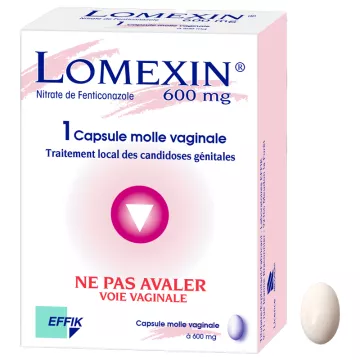
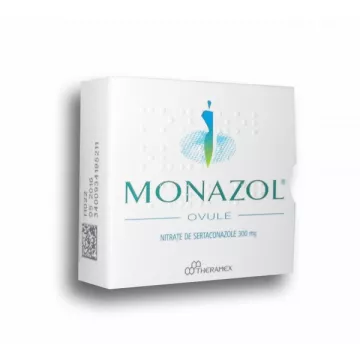
Treatment relies on antifungal medications, available as creams, vaginal suppositories, or oral tablets. Vaginal suppositories containing clotrimazole or econazole are often the first-line treatment for a simple yeast infection. Oral fluconazole is reserved for severe or recurrent cases. Probiotics containing lactobacilli complement the treatment by quickly restoring the protective vaginal flora and reducing the risk of recurrence.
A yeast infection causes thick, white discharge accompanied by intense itching. Bacterial vaginosis, on the other hand, produces a thin, grayish discharge with a characteristic fishy odor, without significant itching.Vaginal irritation is present in both cases but differs in nature and intensity. A vaginal swab analyzed in a laboratory can definitively distinguish between these conditions and guide appropriate treatment.
Several simple, regular practices can reduce the risk of recurrence. Avoiding vaginal douches, wearing cotton underwear, limiting the use of scented products in the intimate area, and avoiding unnecessary antibiotics help maintain the balance of the vaginal flora. Incorporating fermented foods and supplements designed to prevent candidiasis supports the intimate microbiome. Carefully managing diabetes and other contributing conditions also limits fungal overgrowth.
Yes. Approximately 5% of women develop recurrent yeast infections, defined as at least four episodes per year. Prolonged antifungal treatment may be considered in this context, under medical supervision. At the same time, identifying and addressing personal risk factors—such as a diet high in refined sugars, hormonal factors, and improper intimate hygiene—reduces the likelihood of new vaginal infections and improves quality of life in the long term.