0
Menu

Vaginal irritation: Just irritation or an infection?

Filter
Number of products : 10
Sort
Sort
Close
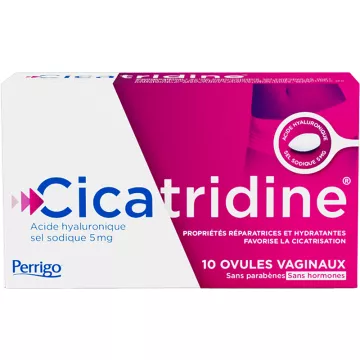
Cicatridine 10 Vaginal Ovules Cicatridine 10 Vaginal Ovules
€11.75
Shipped within 24h
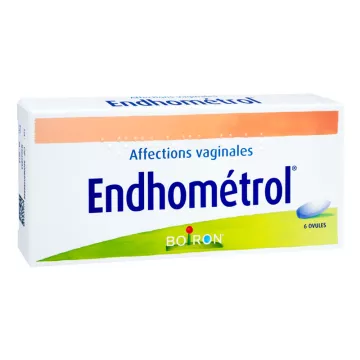
ENDHOMETROL OVA Box of 6 HOMEOPATHIE Boiron ENDHOMETROL OVA Box of 6 HOMEOPATHIE Boiron
€7.49
Shipped within 24h
Ektagyn Oral Mucosa and Skin Densmore 30 capsules Ektagyn Oral Mucosa and Skin Densmore 30 capsules
€13.29
Shipped within 24h
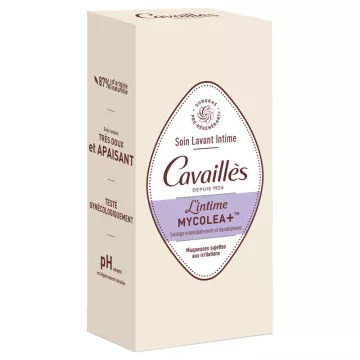
Cavaillès Mycolea+ Intimate Cleansing Care 200 ml Cavaillès Mycolea+ Intimate Cleansing Care 200 ml
€9.25
Shipped within 24h
Immubio Physiostim Vaginal Balance 10 Capsules Immubio Physiostim Vaginal Balance 10 Capsules
€15.60
Shipped within 24h
Weleda Calendula TM homeopathy OVA Box of 12 Weleda Calendula TM homeopathy OVA Box of 12
€12.89
Ships in 5 to 10 working days
Polybactum Vaginal Ovule 3 Ovules Polybactum Vaginal Ovule 3 Ovules
€15.95
shipped in 5-7 business days

What are the common causes of vaginal irritation?

Vaginal irritation results from various factors, and it is helpful to distinguish between them in order to choose the right treatment. Among the most common are:

  • Yeast infections, such as candidiasis, which are exacerbated by heat, moisture, or antibiotic treatment.
  • Bacterial vaginosis, linked to an imbalance in the vaginal flora.
  • Allergens: scented soaps, vaginal douches, fabric softeners.
  • Hormonal changes during menopause, leading to dryness and atrophy of the vaginal lining.
  • Synthetic or tight-fitting clothing causing maceration and friction.

These factors can occur together. An irritating product weakens the mucosal barrier and facilitates the establishment of an infectious agent; recurrent candidiasis suggests a compromised environment that should be investigated. Diet also plays a role: excessive sugar intake promotes yeast overgrowth, while insufficient hydration weakens the mucous membranes. Identifying the specific cause is key to effective treatment and preventing recurrences.

What symptoms indicate vaginal irritation?

Symptoms vary depending on the cause but often overlap:

  • Intense or persistent itching, sometimes at night.
  • Redness and swelling of the vulva.
  • A burning sensation during urination or upon contact.
  • Vaginal discharge that has changed in color, texture, or odor.

Itching alone, without any other symptoms, may be reason enough to seek medical advice if it lasts more than a few days. If accompanied by a fever, sores, or pain during intercourse, seek medical attention promptly to rule out an STI.

How is vaginal irritation treated, depending on its cause?

Treatment depends on the diagnosis:

  • Yeast infection: topical or oral antifungal medication, depending on severity.
  • Bacterial vaginosis: an antibiotic prescribed by a doctor.
  • Hormonal dryness: intimate moisturizer or low-dose topical estrogen.
  • Contact irritation: Discontinue use of the offending product and return to gentle hygiene practices.

At the same time, restoring the vaginal flora with specific probiotics can speed up recovery, particularly after antibiotic treatment. Certain strains of Lactobacillus, administered orally or topically, have been shown to restore the vagina’s protective acidity. Medical advice is still essential to confirm the diagnosis and avoid inappropriate self-medication, which could delay healing.

What preventive measures can help reduce the risk of recurrence?

Several habits can permanently reduce the risk of irritation:

  • Use a fragrance-free, pH-balanced cleanser for external cleansing only.
  • Wear cotton underwear and change it daily.
  • Avoid douching, which destroys the protective bacterial flora.
  • Change out of a wet swimsuit or damp clothing as soon as possible.
  • Limit sugary foods, which promote yeast growth.

These habits are particularly important during pregnancy, a time when hormonal changes increase vulnerability to vaginal infections.

What natural remedies can relieve irritation?

In addition to appropriate treatment, a few gentle approaches can soothe mild symptoms:

  • Warm sitz baths to reduce local inflammation.
  • Applyingaloe vera gel to the vulva for its soothing effect.
  • Plain, unsweetened yogurt, a source of beneficial lactic acid bacteria.

These remedies are not a substitute for a medical diagnosis. If vaginal irritation does not improve within 48 to 72 hours, you should see a doctor, even if you do not have a fever.

How can you tell the difference between vaginal irritation and an STI?

Some symptoms overlap: itching, changes in discharge, and a burning sensation. However, STIs have specific signs that help guide the diagnosis:

  • Visible sores or lesions on the vulva or vagina.
  • Deep pelvic pain during intercourse.
  • Greenish, foamy, or purulent discharge.
  • Symptoms in the partner.

If in doubt, only a microbiological test can confirm or rule out an STI. Seeking medical care promptly also protects your partner. Some STIs can progress without obvious symptoms for several weeks while remaining contagious, which underscores the importance of regular screening, especially if you have multiple partners or even mild symptoms. An annual gynecological checkup remains the best long-term protection.